Over 700 Km of Range: BMW’s Big Promise

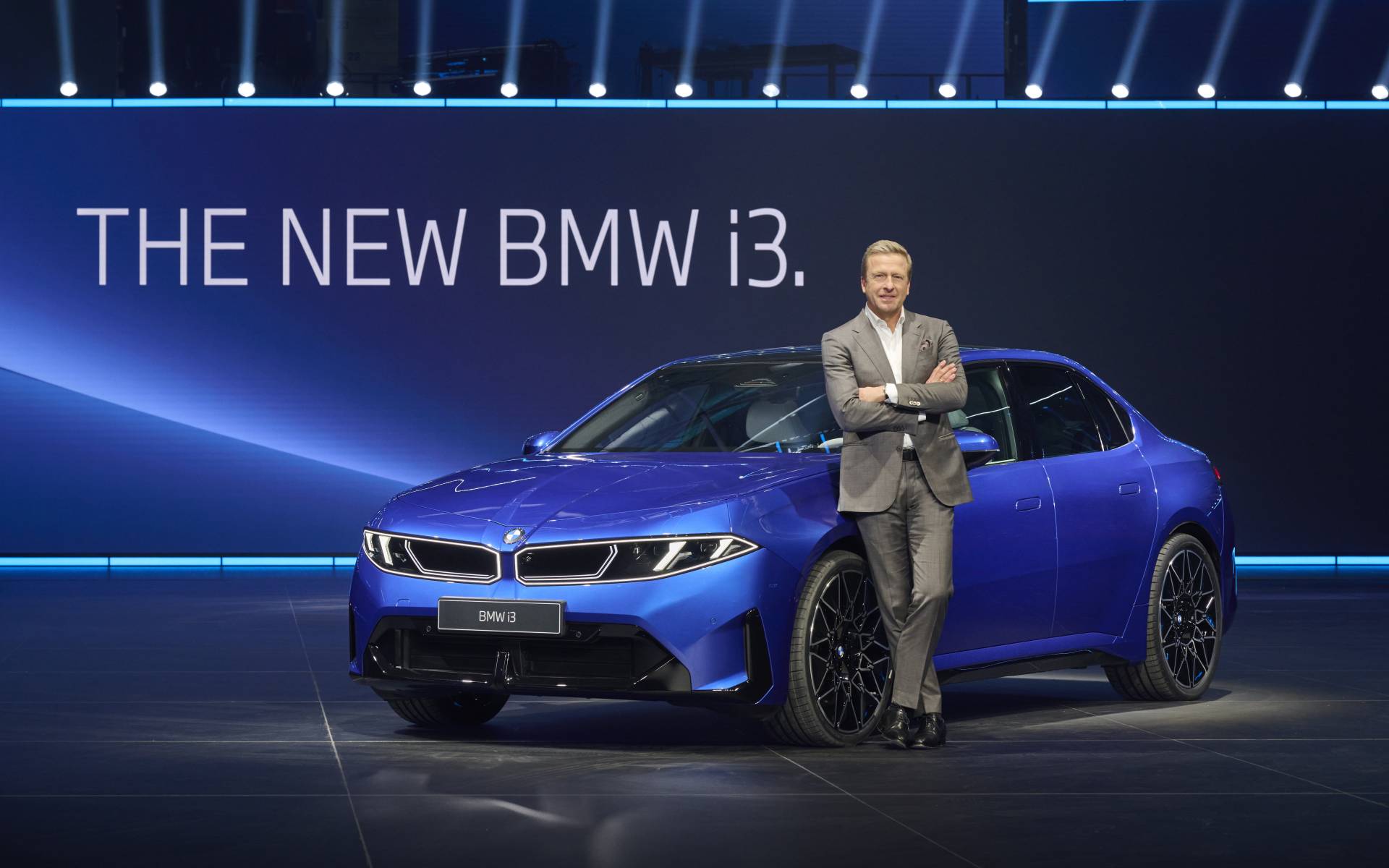
Today is Earth Day, so naturally we wanted to write about electric cars. Specifically, the focus of this blog will be the all-new 2027 BMW i3, one of the flagships of the German automaker’s Neue Klasse.
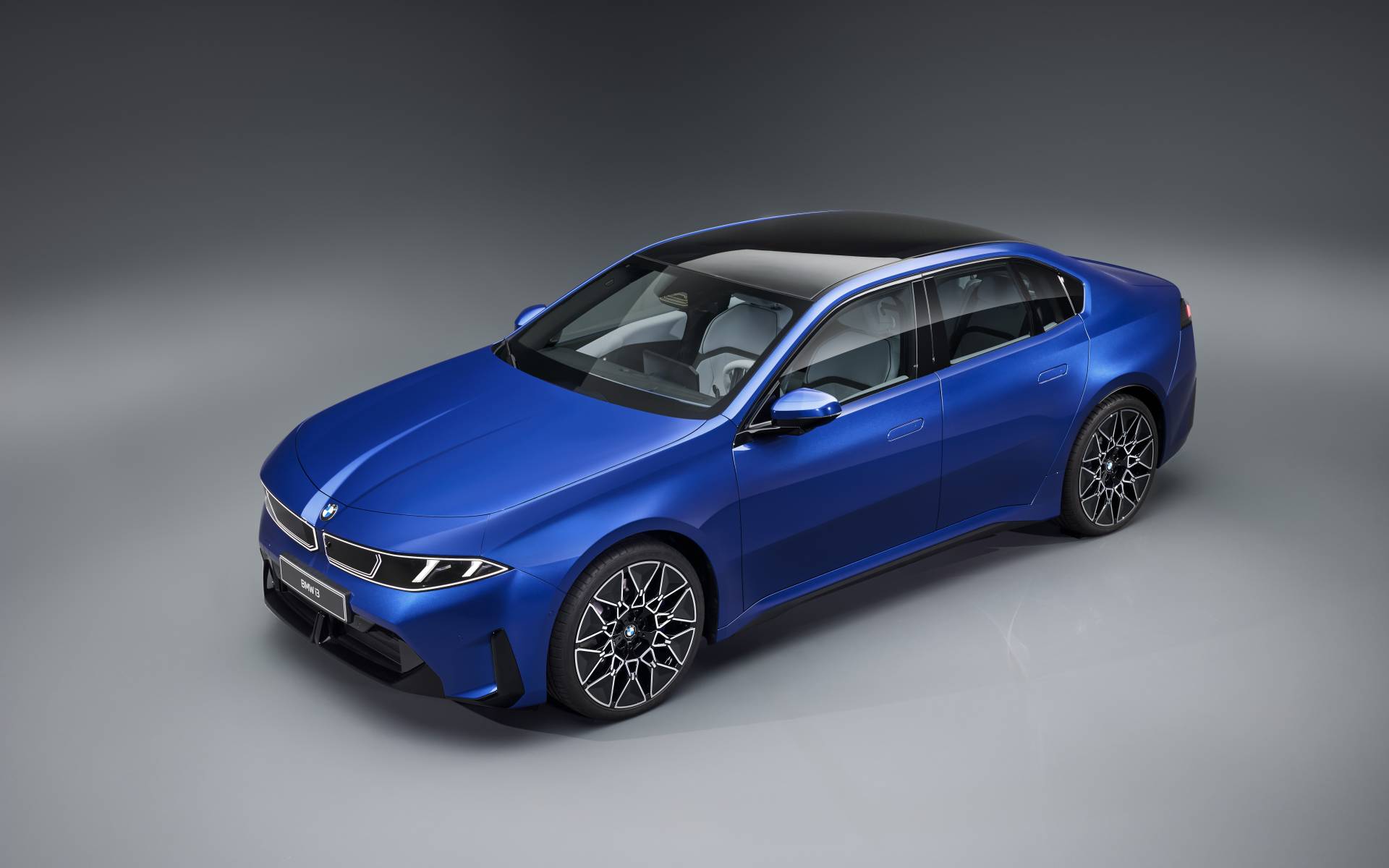
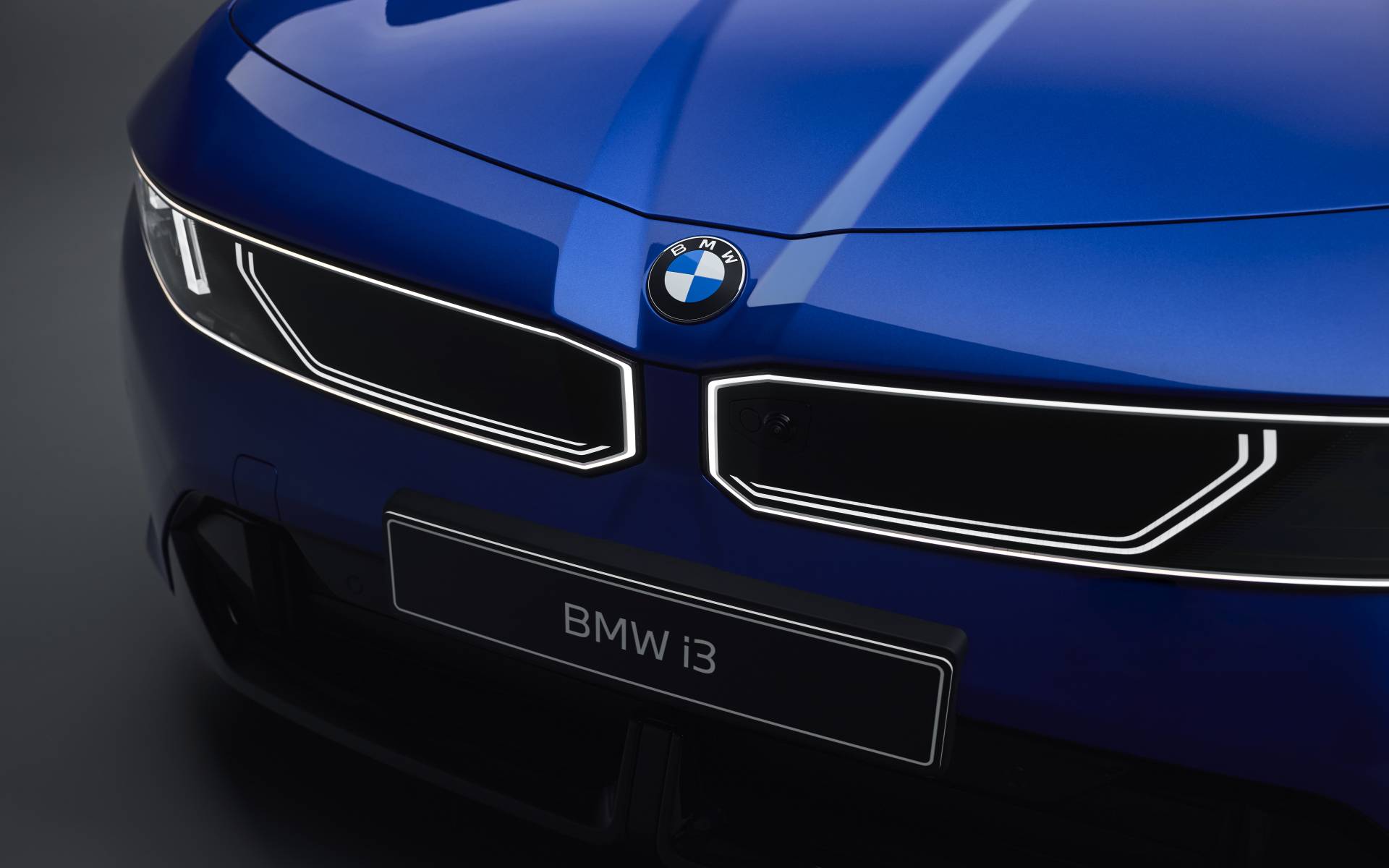
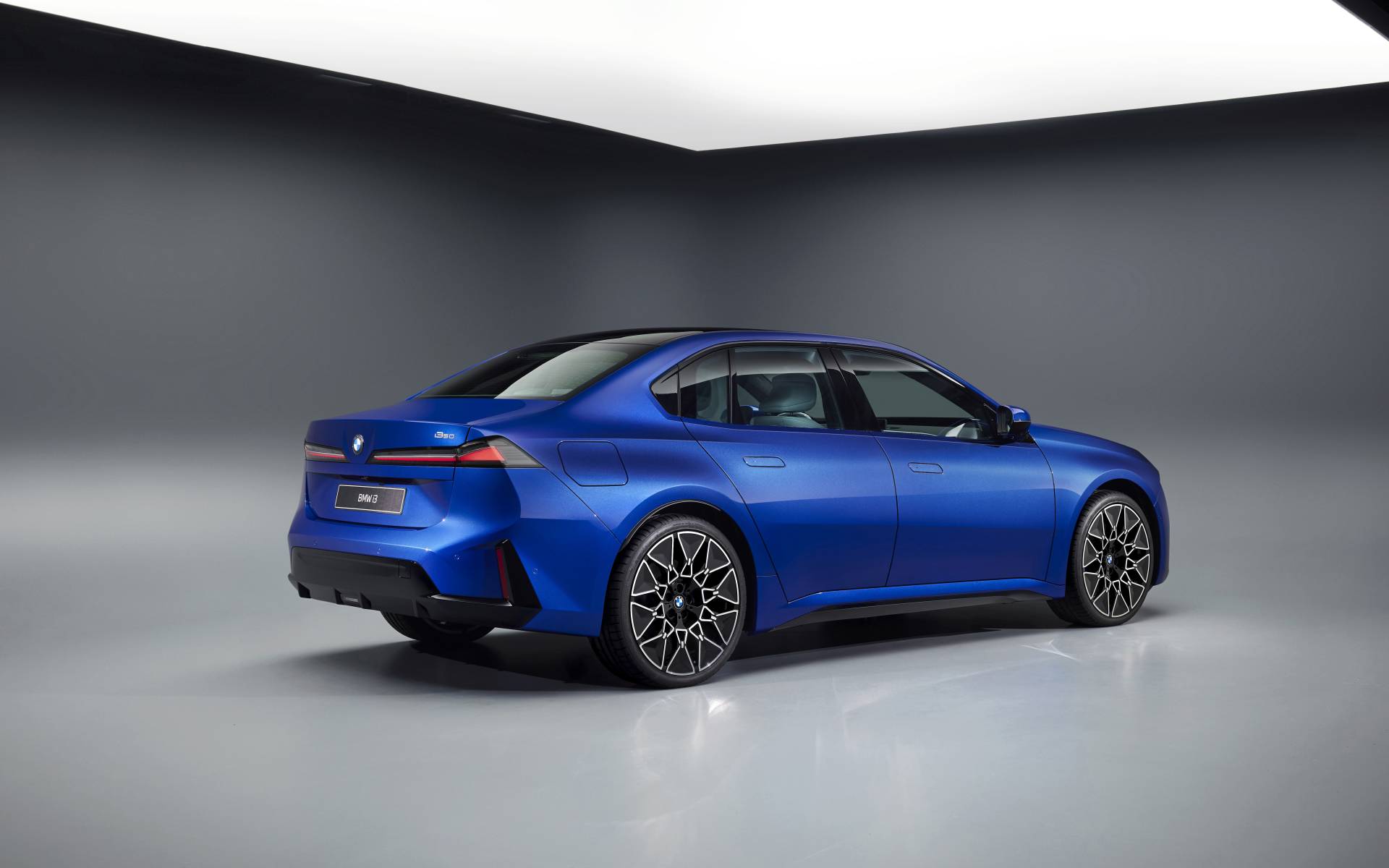
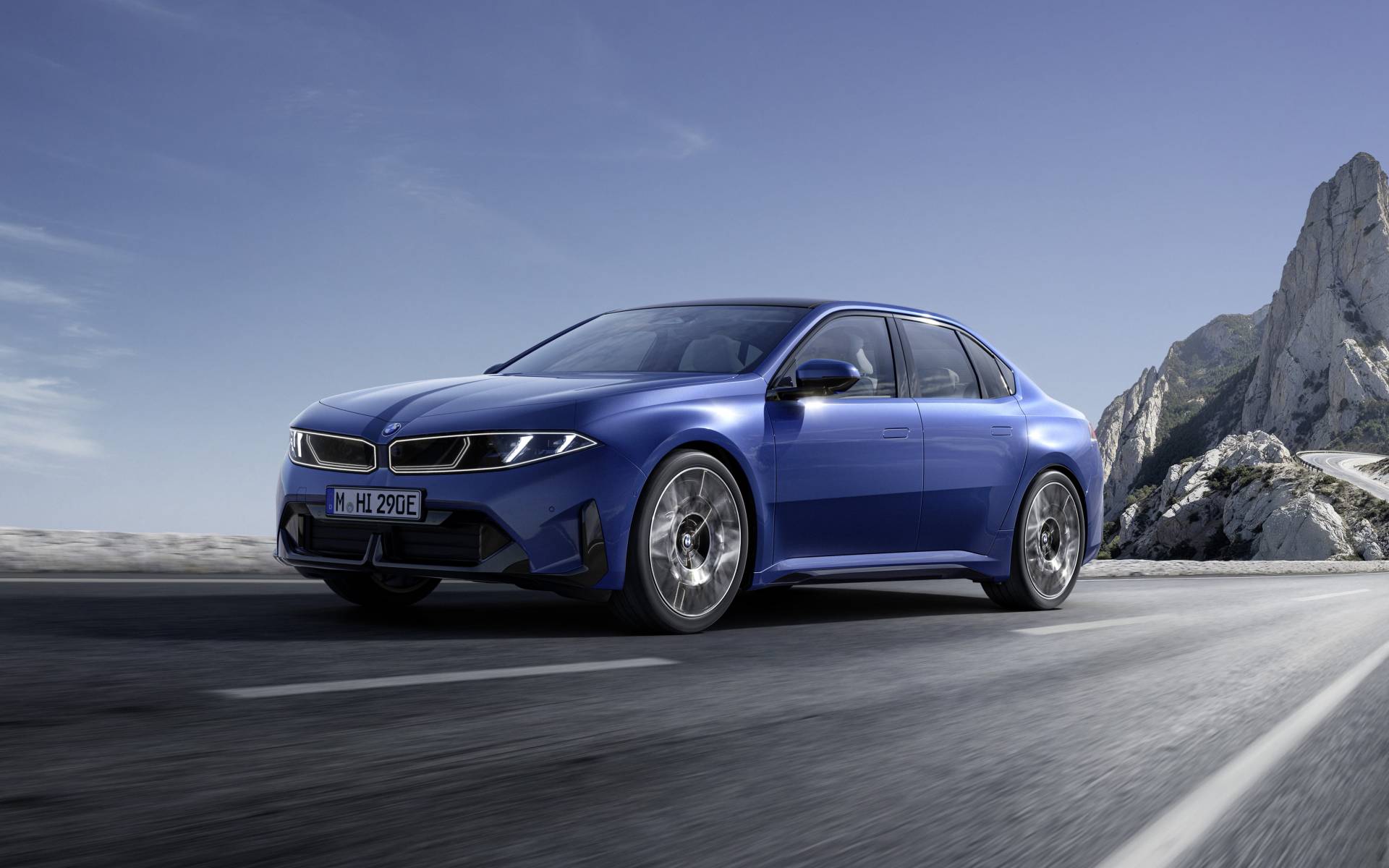
Forget the little hatchback with the same name that you knew and that disappeared from the market in 2021—and by extension the current i4, which will also be retired in less than a year. This i3 is a conventional sedan with attributes, technical components and a level of sophistication that go far beyond BMW’s previous efforts in the EV field.
Closely related to the equally new iX3 crossover, which visitors at the Montreal International Auto Show got to see earlier this year, the car utilizes BMW’s sixth-generation electric motors, which are lighter and more efficient than those of the i4. The first model to hit the market will generate a total of 469 horsepower and 475 lb-ft of torque. These are very impressive figures that promise remarkably fast acceleration, but there’s even better.
Thanks to an 800V architecture and a battery with a capacity of around 110 kWh, the new i3 is capable of traveling up to 708 km (440 miles) according to calculations based on the U.S. EPA’s test cycle, BMW claims. For an electric sedan that’s smaller and much more affordable than a Lucid Air, this is truly exceptional.
Wait, there’s more: maximum charging capacity at DC fast chargers is a whopping 400 kW. This is unprecedented for an electric vehicle in Canada and actually surpasses what the most powerful chargers currently available here (350 kW). The battery will be able to transfer power to external devices and other EVs using the Vehicle-to-Load (V2L) function, as well as to the electrical grid using the Vehicle-to-Grid (V2G) function. However, the latter feature will only be available in Germany later this year.
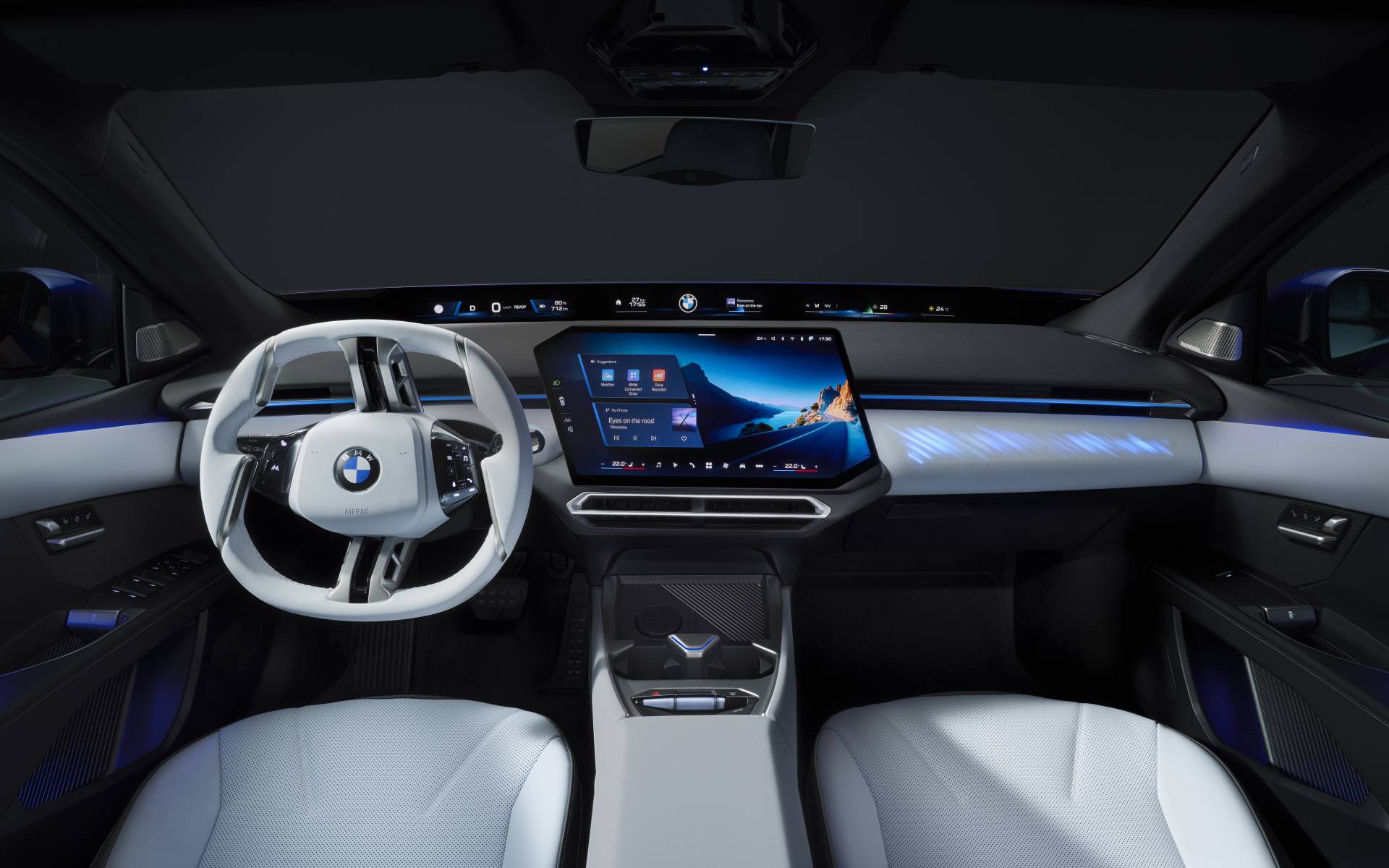
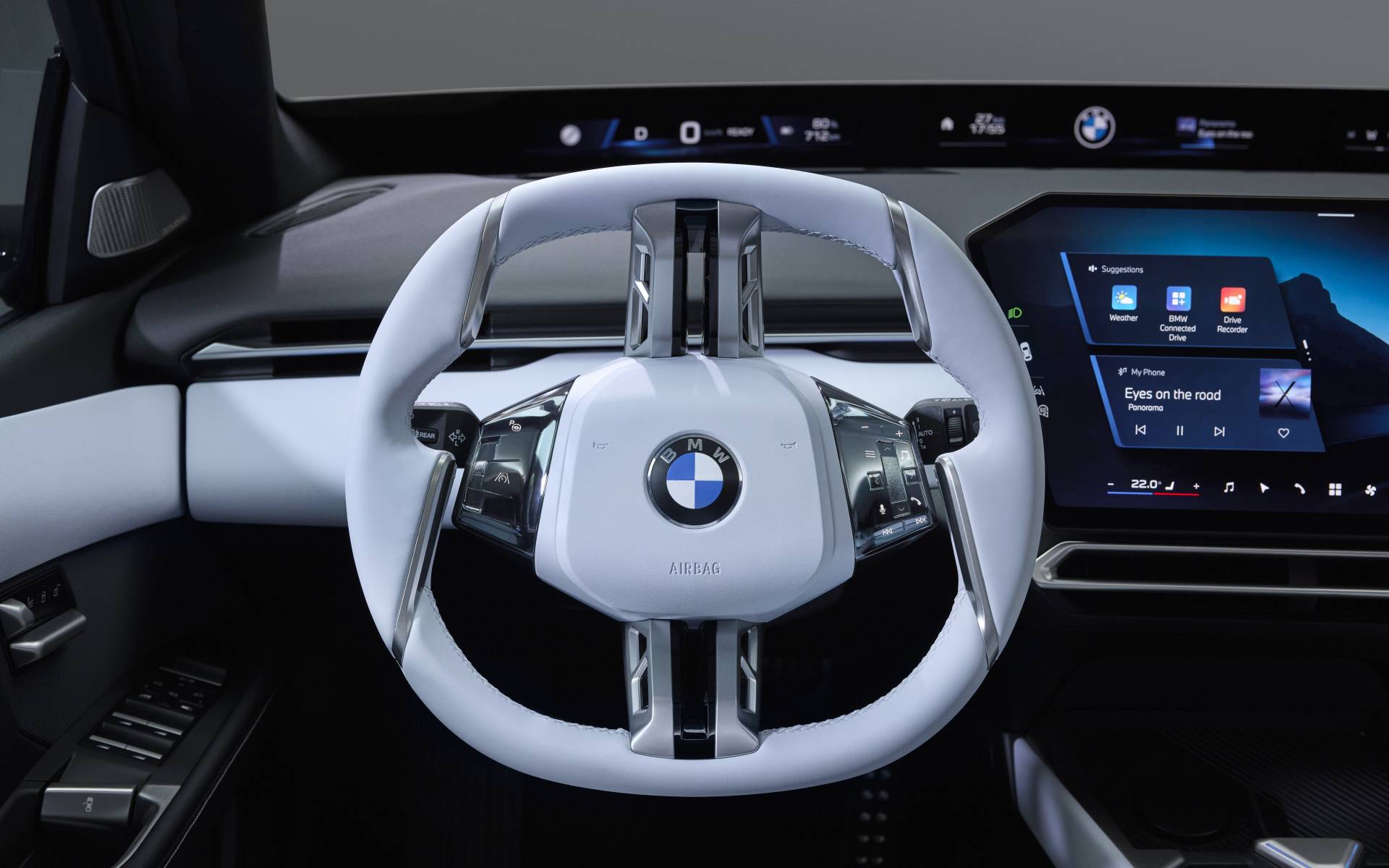
Another technological highlight is the quartet of supercomputers that control the BMW i3. One of them, nicknamed Heart of Joy, governs the electric motors, steering and braking systems, adjusting their performance in milliseconds to adapt to the driving style of the person behind the wheel. Settings can be modified through the large 17.9-inch touchscreen that’s shaped like a parallelogram and angled towards the driver for easy access.
One last thing: just like Teslas, the i3 doesn’t have a traditional instrument cluster behind the steering wheel. Instead, a fully customizable, 43.3-inch head-up display called Panoramic Vision covers the entire lower portion of the windshield between the two A-pillars. You think it will be distracting? There’s nothing like a test drive to find out.
The new 2027 BMW i3 is expected to go on sale in Canada early next year.