Highlights from IAA Mobility 2025 in Munich… and More

IAA Mobility 2025, also known as the Munich Motor Show, wrapped up last Sunday with arguably a more successful edition than European auto shows in previous years. Several new vehicles have caught our attention, of course, including some very important models that will be launched globally, including in Canada.
Without further ado, here are six highlights from Munich, some of which actually came in the days leading up to the show:
2026 BMW iX3
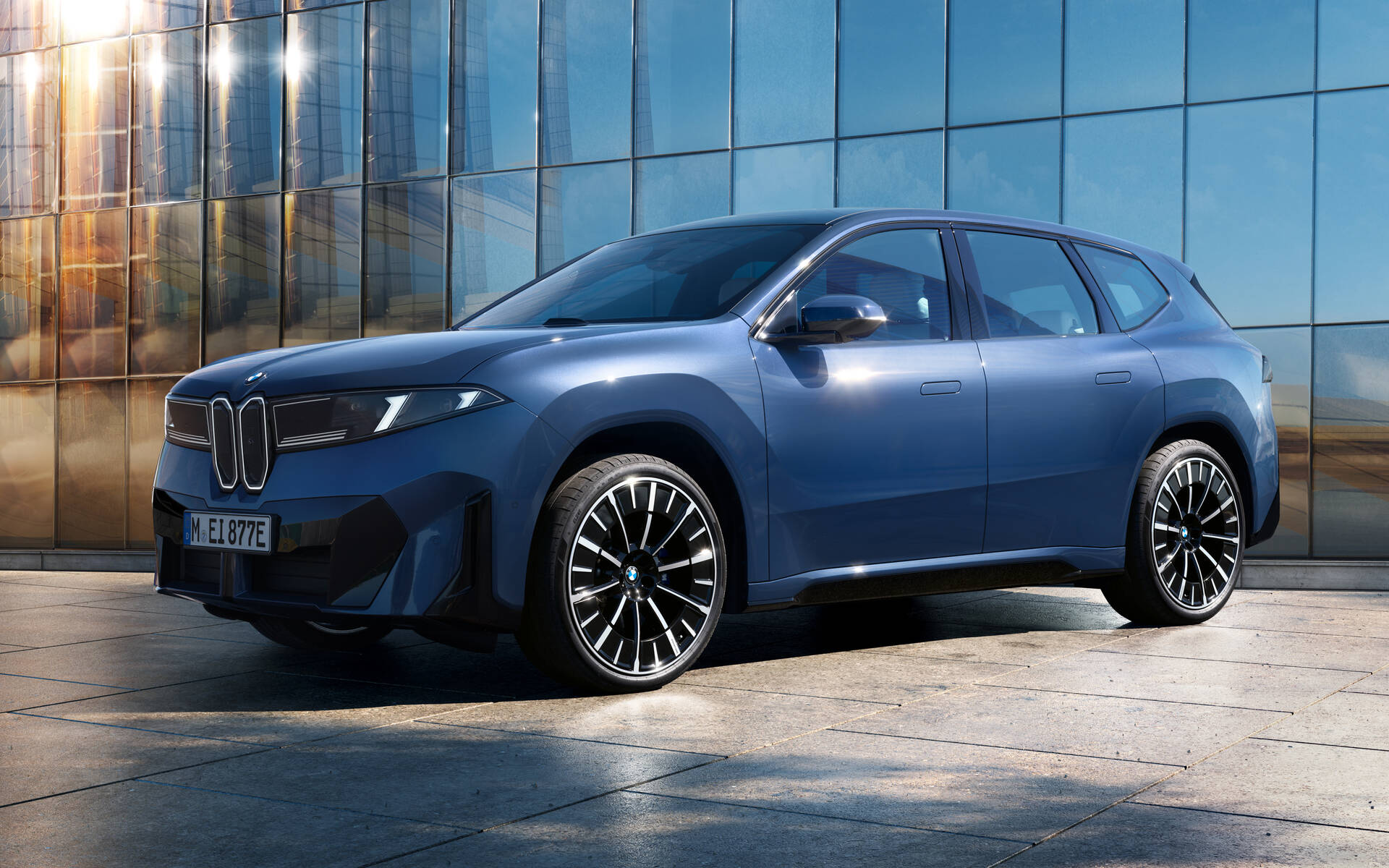
BMW kicked things off by unveiling the first model in its highly anticipated Neue Klasse family of vehicles, which promises to revolutionize the Bavarian automaker’s lineup from a technological standpoint. The 2026 BMW iX3 is a compact electric SUV that sports a design reminiscent of older models from the 1960s and 1970s, but with decidedly modern features like the illuminated kidney grille.
The 50 xDrive model is equipped with two sixth-generation electric motors that produce a combined output of 463 horsepower and 476 lb-ft of torque. This allows it to complete the 0-100 km/h sprint in approximately 4.7 seconds. With an 800V architecture and a 108kWh battery, range is estimated at up to 643 km and maximum charging capacity can reach 400 kW. How about that?
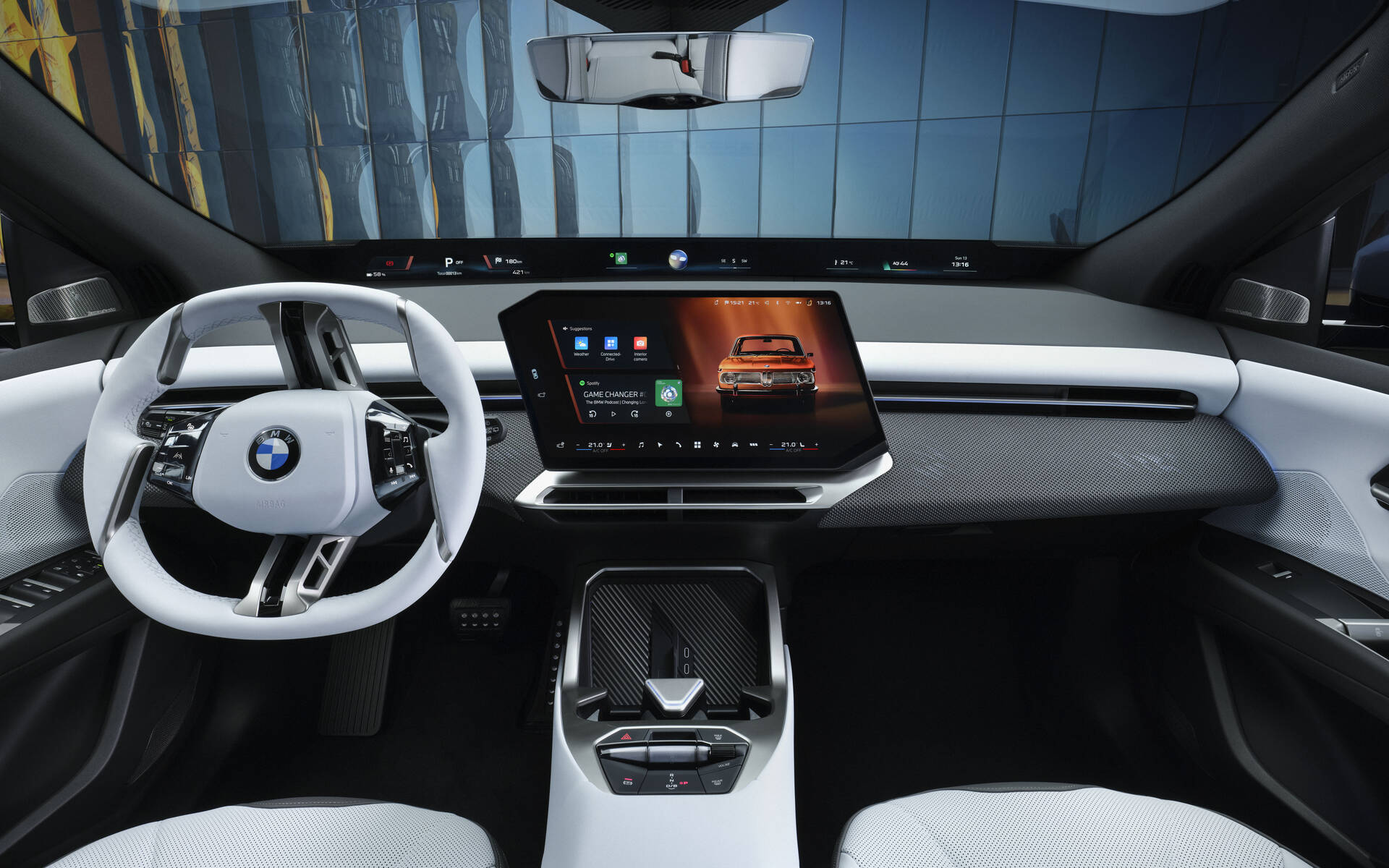
Also worth noting is the “Heart of Joy,” a super brain that controls a series of modules whose mission is to optimize communication with the driver, the 17.9-inch parallelogram-shaped touchscreen, as well as the panoramic head-up display that extends horizontally between the A-pillars at the bottom of the windshield. The BMW iX3 will arrive in Canada in early summer 2026.
2027 Mercedes-Benz GLC with EQ Technology
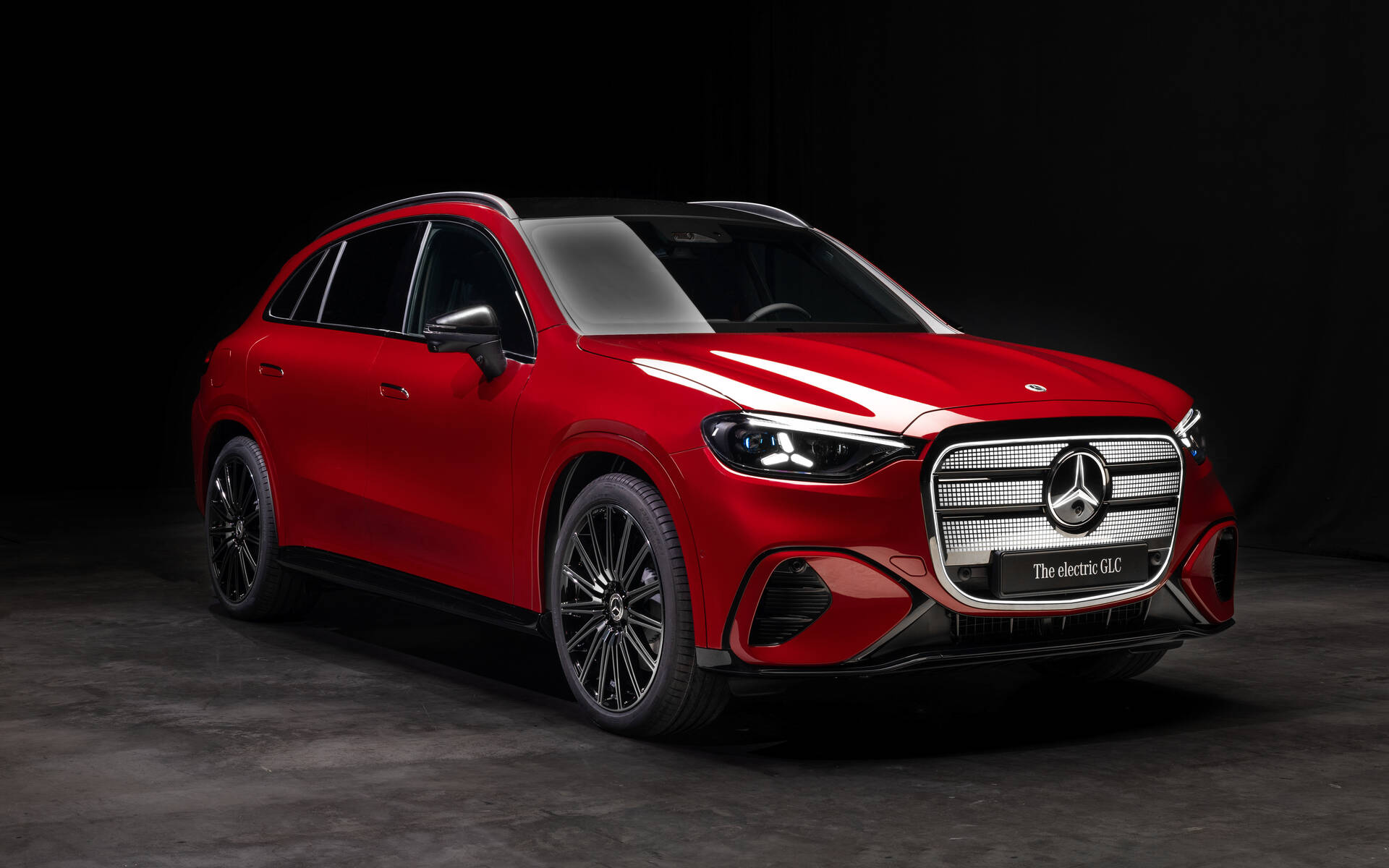
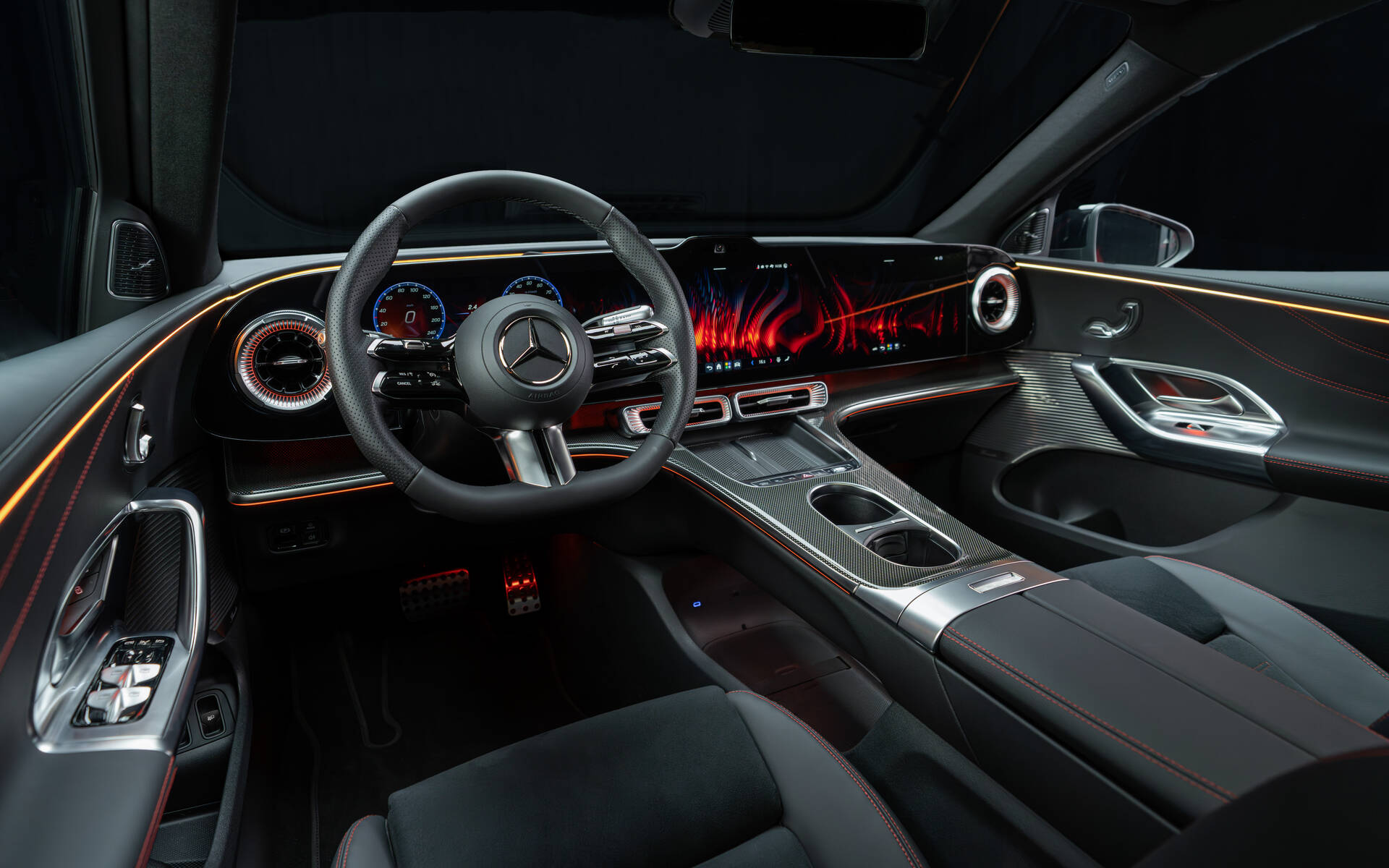
Its biggest rival will undoubtedly be the new 2027 Mercedes-Benz GLC with EQ Technology (that’s the official name, by the way), due as a 2027 model. This vehicle is designed to turn heads and make a strong visual statement, starting with a huge new front grille featuring an illuminated contour and hundreds of small, pixel-shaped lights. Inside, the optional 39.1-inch MBUX Hyperscreen digital interface—the largest continuous screen in any Mercedes-Benz vehicle to date, offering a selection of 11 background motifs—is sure to wow occupants.
An ultra-powerful, AI-driven operating system (MB.OS) integrates and controls every aspect of the vehicle—from infotainment and to MB.DRIVE advanced driver assistance systems to comfort features and charging. However, we can’t ignore the active and customizable ambient lighting system or the new panoramic roof with optional Sky Control technology consisting of 162 stars integrated into the glass surface. Is this a Rolls-Royce?
Canadian customers can look forward to the top-of-the-range model at market launch, namely the GLC 400 4MATIC with 483 horsepower, up to 713 km of range (based on WLTP testing) and maximum towing of 2,400 kg (5,291 lbs). Mercedes-Benz also promises ultra-fast charging thanks to the 800V architecture: 10 minutes will be enough to regain around 300 km of range in the best-case scenario.
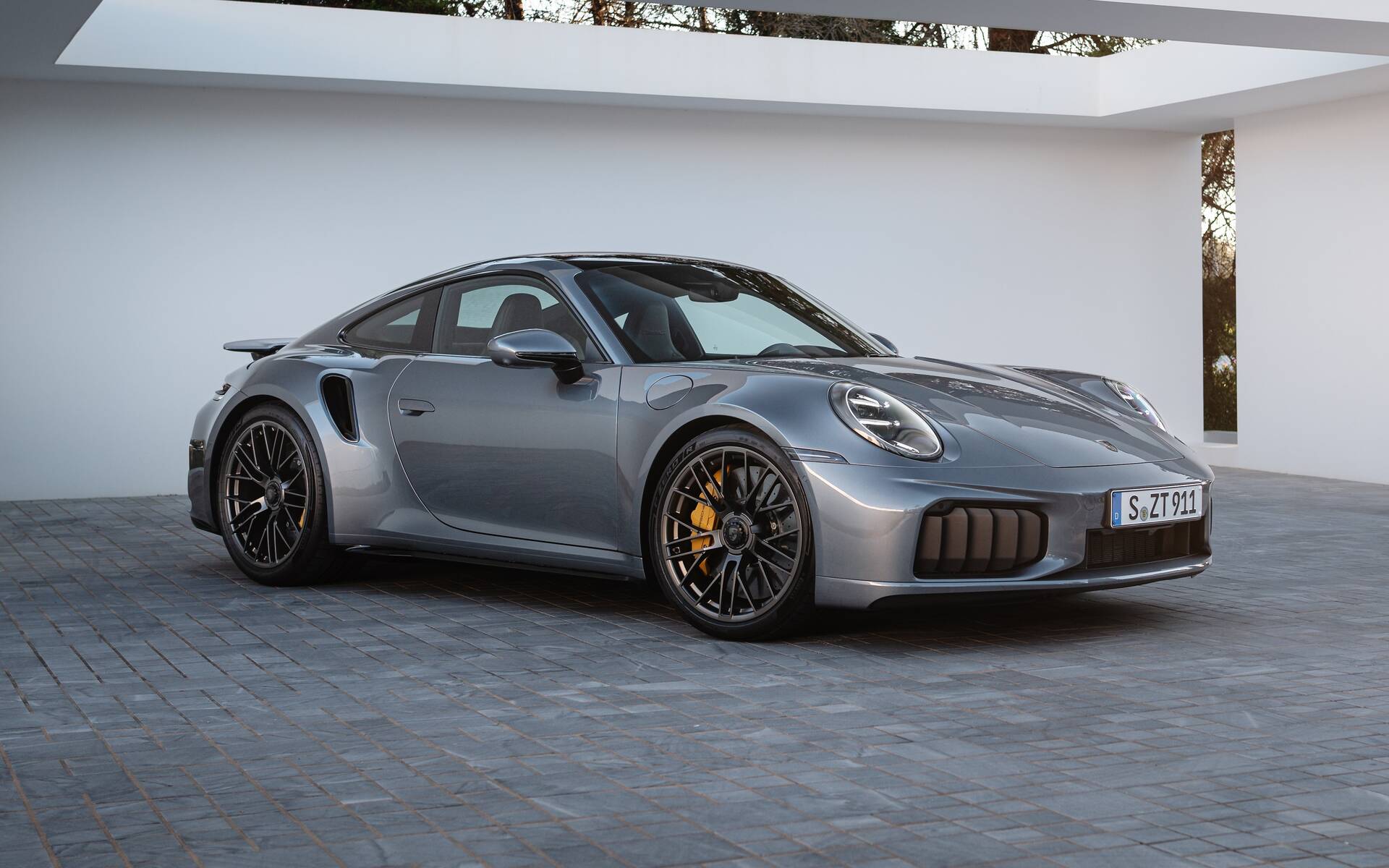
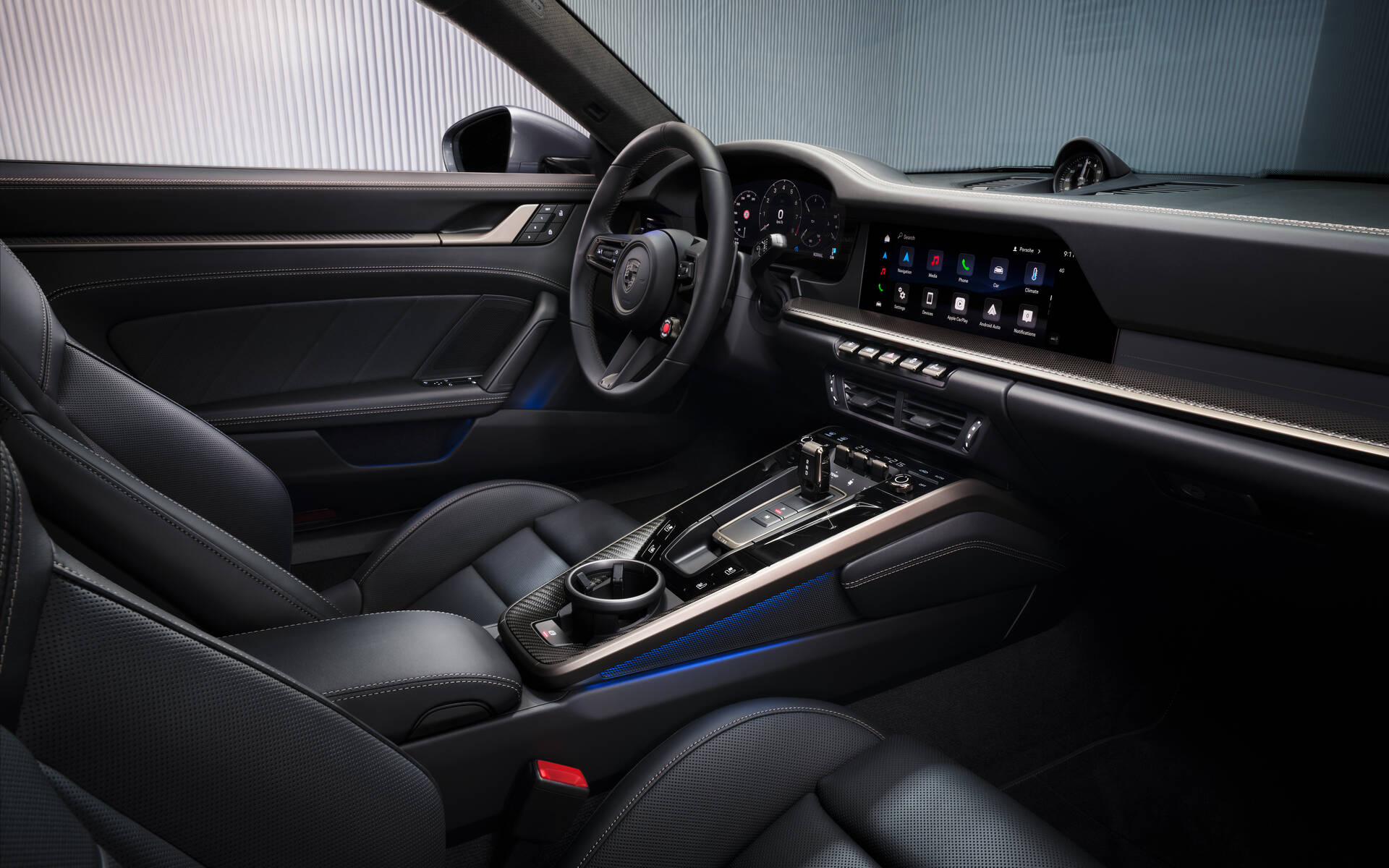
2026 Porsche 911 Turbo S
The 911 Turbo S returns to the top of the lineup for the 2026 model year as the most powerful production 911 ever thanks to a new hybrid powertrain. Boasting a total of 701 horsepower, it accelerates from 0-100 km/h in as little as 2.5 seconds and achieves a top speed of 322 km/h. As a matter of fact, the new Turbo S lapped Germany’s Nürburgring in 7:03.92 minutes, a full 14 seconds faster than its predecessor.
The car takes the T-Hybrid technology from the 911 Carrera GTS, but adds a second electric turbocharger and benefits from special tuning. The 1.9kWh high-voltage battery is the same, and the eight-speed PDK dual-clutch transmission (with an integrated electric motor) handles power delivery in conjunction with the Porsche Traction Management (PTM) all-wheel drive system.
Obviously, we have to talk about the new, 10mm wider rear tires, the new brake pads using a motorsport-derived material mixture, the revised body that improves engine and brake cooling, the upgraded aerodynamic components including an extendable and tilting wing at the rear, plus the new sport exhaust system producing a sharper, throatier sound. Deliveries will start in the spring of 2026.
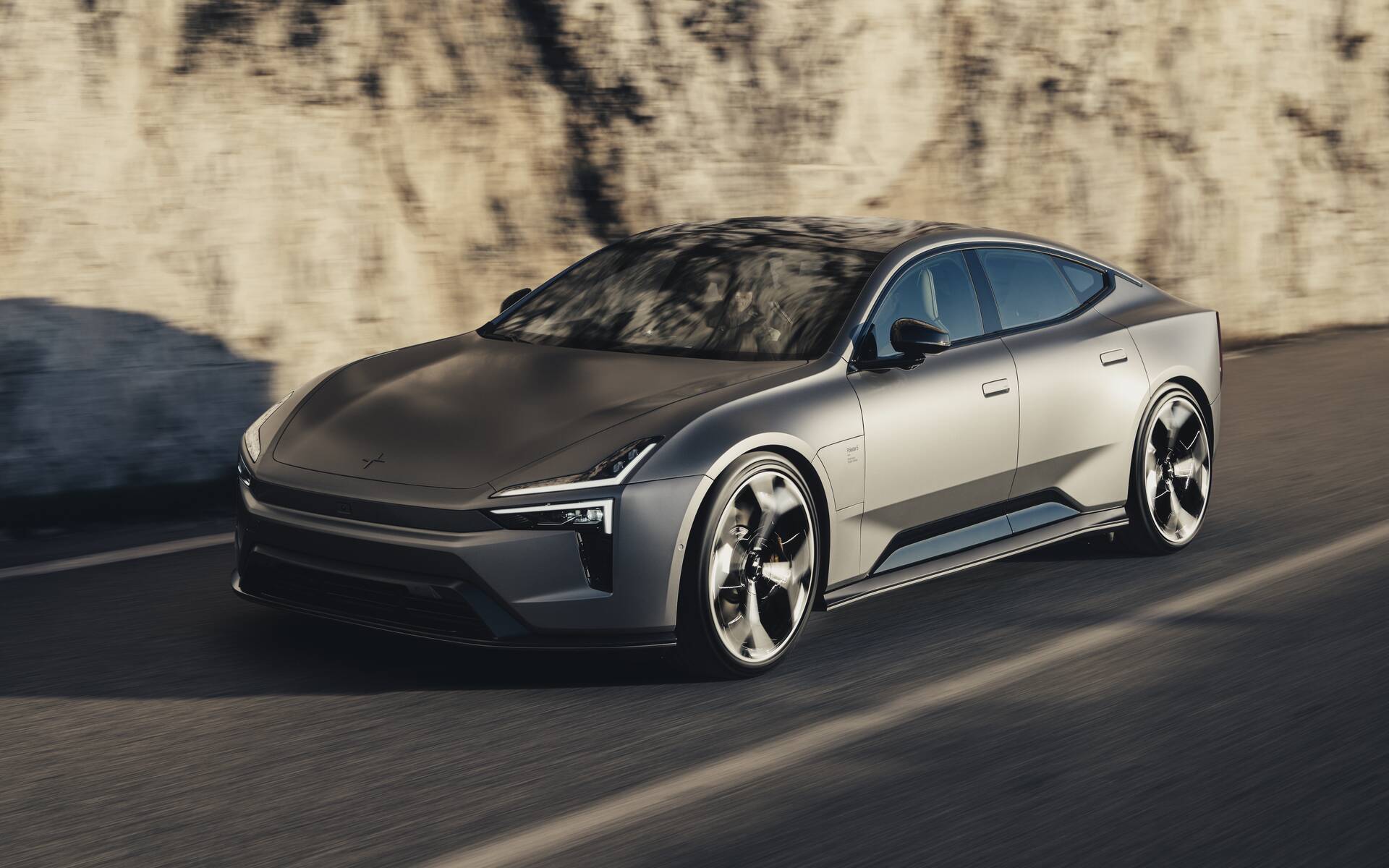
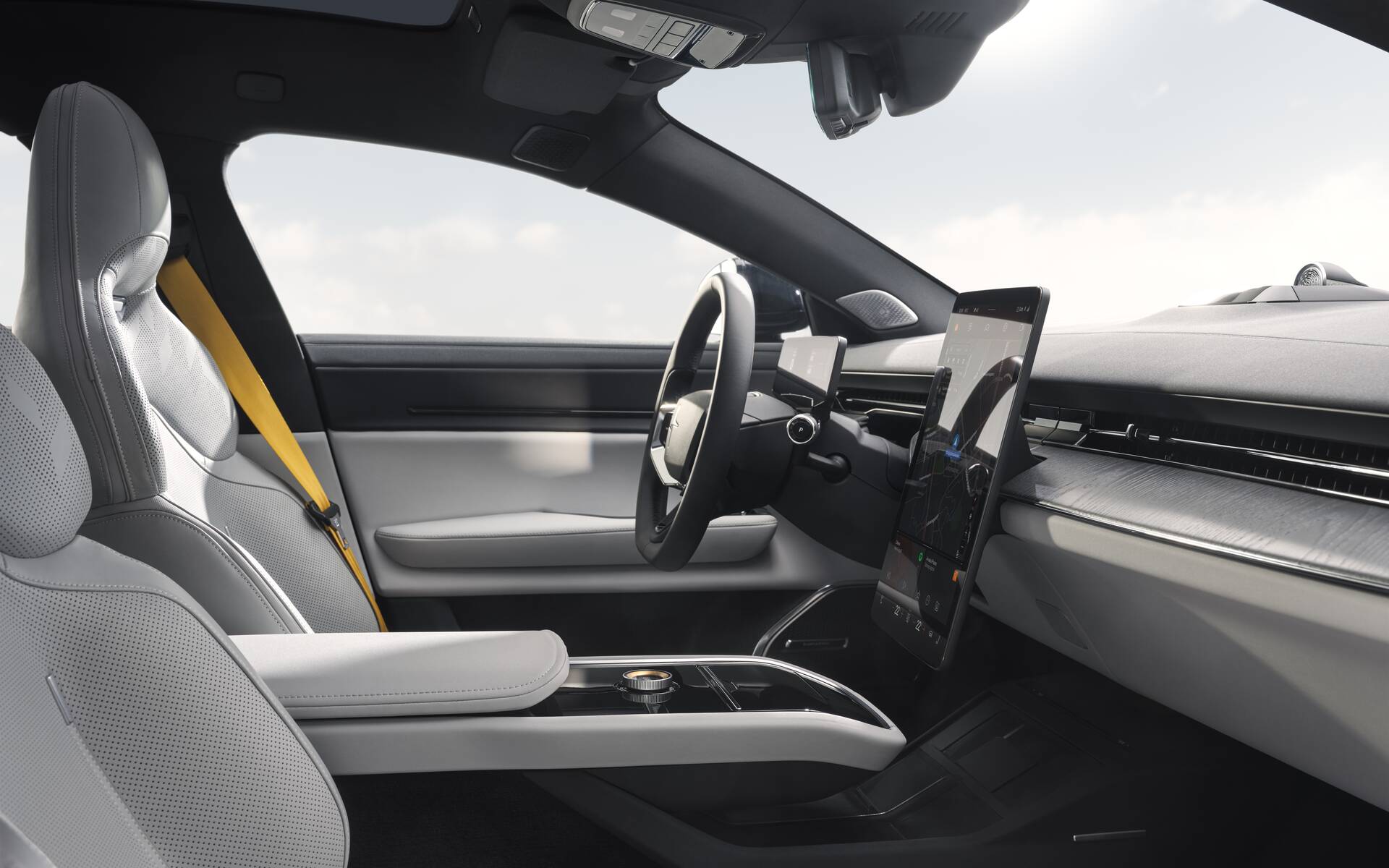
Polestar 5
Polestar’s magnificent new four-door performance grand tourer closely replicates the design of the Precept concept from 2020. It draws a major source of inspiration from aviation, as evidenced by taut surfacing stretched over an aerodynamic wing-like profile with Kamm-style tail. The side view is particularly striking—witness the deeply sculpted doors and the long, swooping roofline which incorporates the largest panoramic glass roof ever fitted to a Polestar model. What’s more, similar to the Polestar 4 crossover, there is no rear window. Instead, a rear-facing camera relays an image to the digital rearview mirror in the cabin.
Inside, the Polestar 5 is primarily a four-seater. However, raising the rear centre armrest creates a fifth seating position. Natural fibre materials are used throughout the interior, such as AmpliTex which is a bio-based alternative to carbon fibre made from flax. Meanwhile, safety is covered with 11 vision cameras, one driver-monitoring camera, one mid-range radar and 12 ultrasonic sensors.
What about performance? Hold on tight: the dual motors combine to deliver 738 horsepower and 599 lb-ft of torque as standard or a whopping 872 horsepower and 749 lb-ft of torque in Performance trim. The result is 0-100 km/h acceleration in 3.9 or 3.2 seconds, respectively. The Polestar 5 is available to order now in Europe and other select markets, but plans for North America have yet to be announced.
Volkswagen ID. Cross
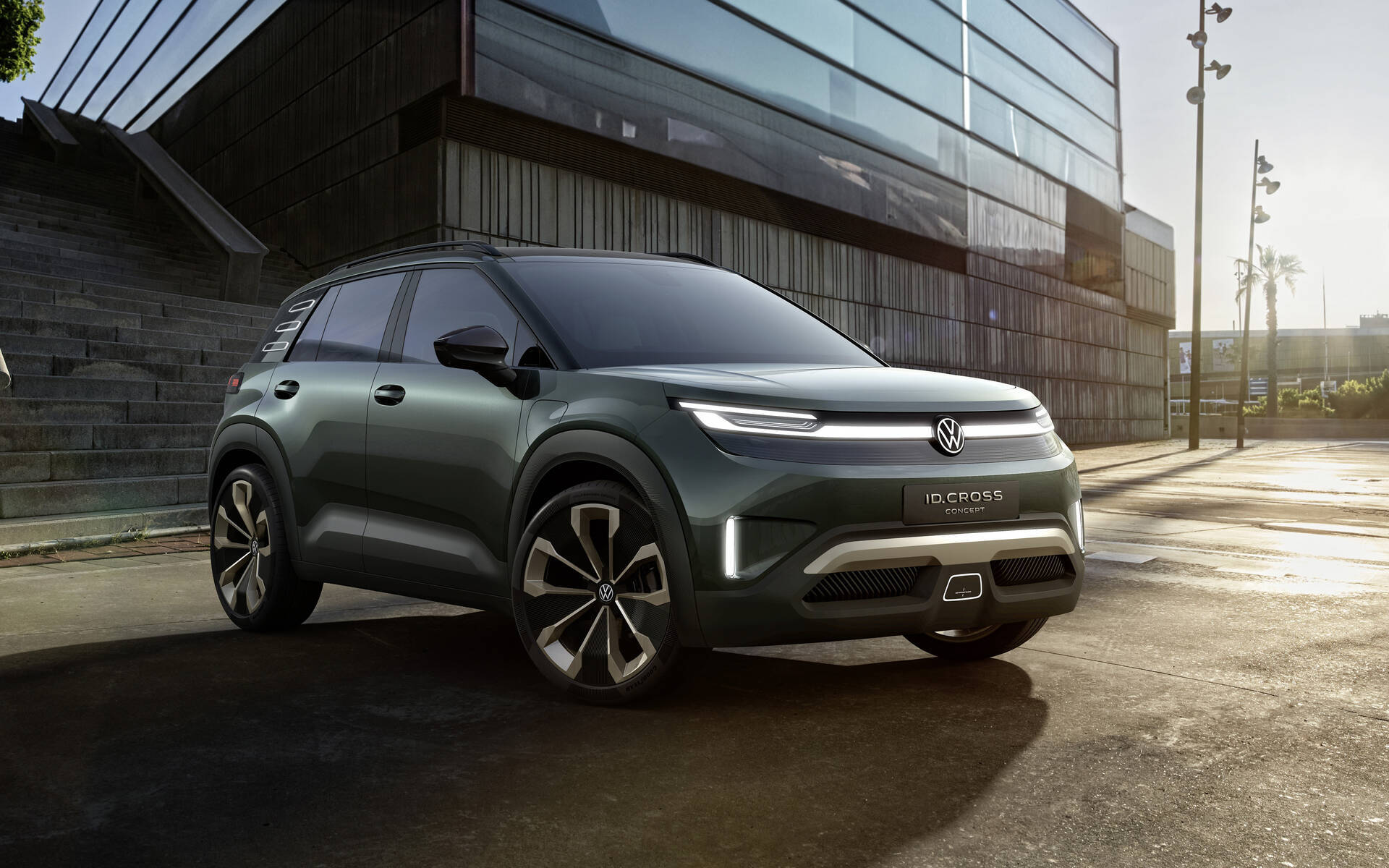
What could be the next electric vehicle from Volkswagen to come to Canada? The ID.7 sedan has been ruled out. Here’s a thought: why not the ID. Cross? Introduced at IAA Mobility 2025 in Munich as a near-production concept, this vehicle is described as the little brother of the ID.4, and it should land on European roads in the second half of 2026.
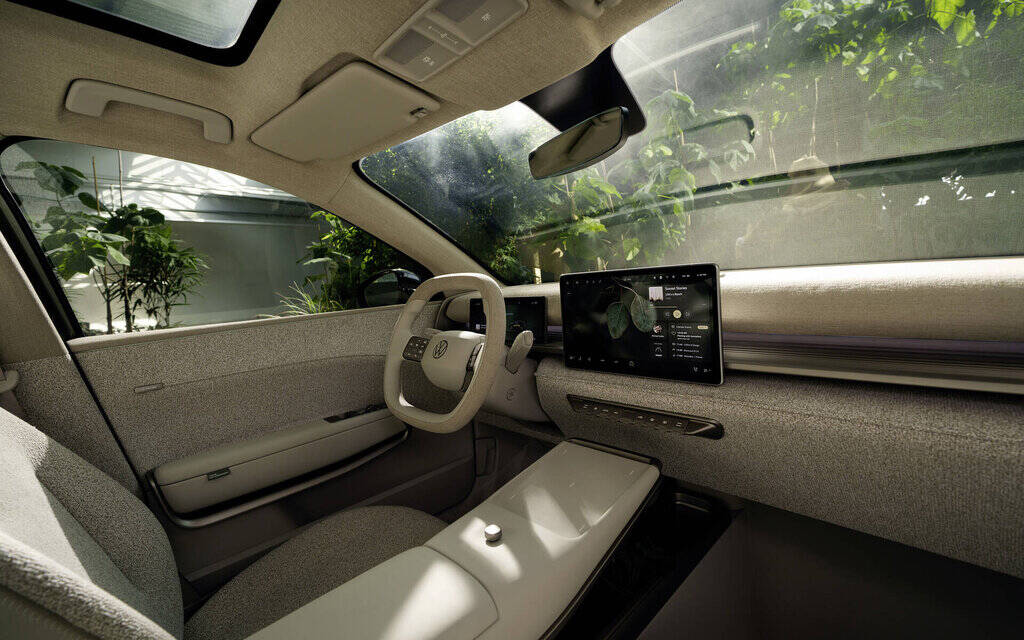
Sure, we’re talking about an EV that’s barely 4,161 mm long and has a trunk capacity of just 450 litres, but this one has quite a friendly face and its long wheelbase combined with a very generous width of 1,839 mm results in a surprisingly spacious cabin for five people. Speaking of the cabin, the ambiance is that of a lounge or, as Volkswagen puts it, a “feel-good oasis.” Many surfaces are covered in a thick Vanilla Chai (beige) fabric that takes us back to the 1980s. Also, the seats fold completely flat to create a reclining area in the style of a VW Bus.
The Volkswagen ID. Cross is based on an evolution of the MEB platform, with a more advanced software suite, but is limited to a front-wheel drive configuration. The single motor generates 208 horsepower, and the battery that feeds it provides an estimated range of 420 km according to the WLTP standard, which is more optimistic than that of the EPA or Natural Resources Canada. That would certainly prove to be a problem with regard to a potential launch in North America.
Hyundai Concept THREE
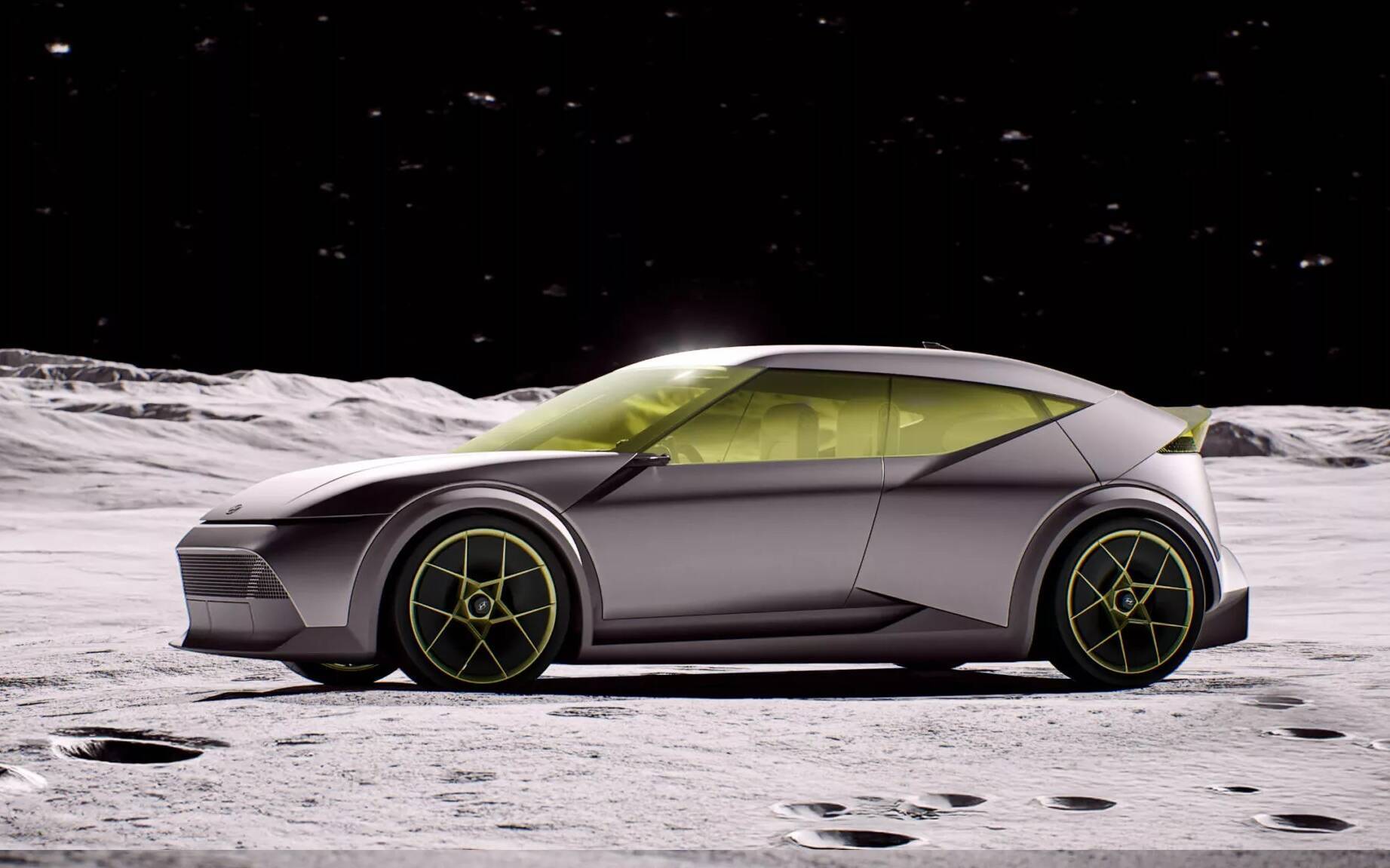
Let’s finish with another concept, this one from Hyundai and simply called THREE. It’s a subcompact car whose shape is reminiscent of the discontinued Veloster. Who knows? We might be looking at the future IONIQ 3. Styling is inspired by the “Art of Steel” philosophy and Hyundai’s beloved pixel motif is more expressive here, forming a gradient at both ends.
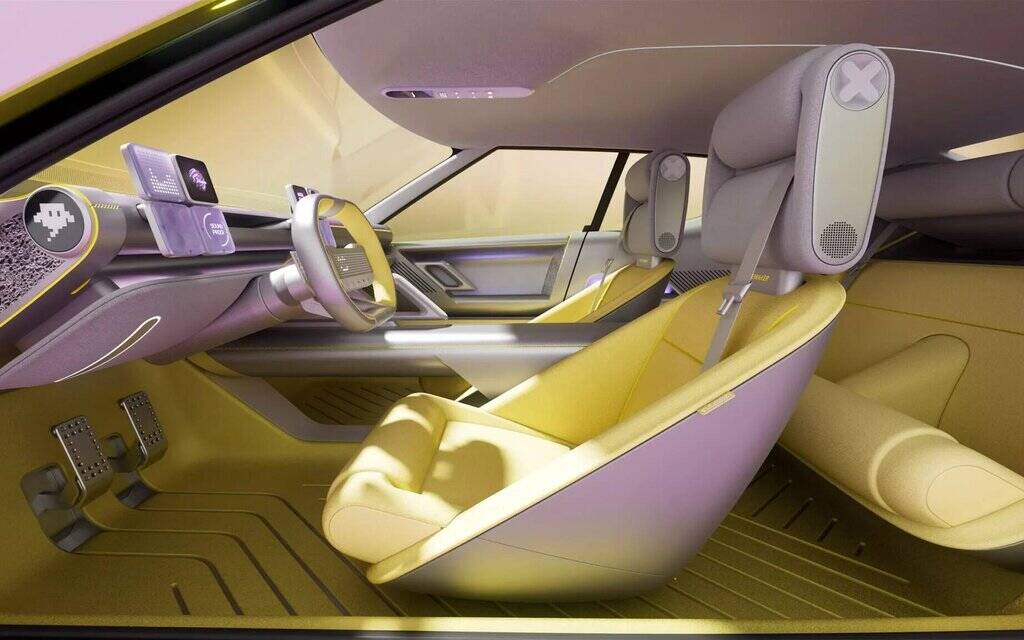
Lemon-tinted glass and matching wheels forge a strong link between the exterior and interior. In fact, the cabin is defined by soft Moonbeam Yellow and grey tonalities that play across shifting textures. While the THREE’s interior certainly doesn’t look like that of a production vehicle, Hyundai insists it’s intended to be both soothing and playful. The modular instruments and widgets on the dashboard offer occupants a wide variety of solutions to personalize their trips.
Then there’s Mr. Pix, a symbolic character that designers have integrated in various places such as the steering wheel to “evoke curiosity, joy and emotional connection” with occupants, Hyundai explains. As for the uniquely shaped seats, they aim to provide generous support for all passengers. Will we ever see something like this in North America? That remains to be confirmed, but you should know that the THREE was imagined and designed first and foremost with markets like Europe in mind.