Toyota, Subaru Continue on a Path of Badge Engineering

Are Toyota and Subaru becoming the new Chevrolet and GMC? While the two Japanese companies are not part of the same family (despite Toyota owning a 20% stake in Subaru), a look at their current portfolios reveals some striking similarities.
General Motors has been arguably the most prolific automaker so far when it comes to badge engineering—the art of selling essentially the same vehicle under different brand names or models, often with only minimal, cosmetic changes like badges, grilles or trim. However, the Toyota-Subaru duo seemingly takes it to another level. In their defense, developing electric vehicles is quite expensive, and partnering up is a wise move to save money.
Here are five of their latest collaborations:
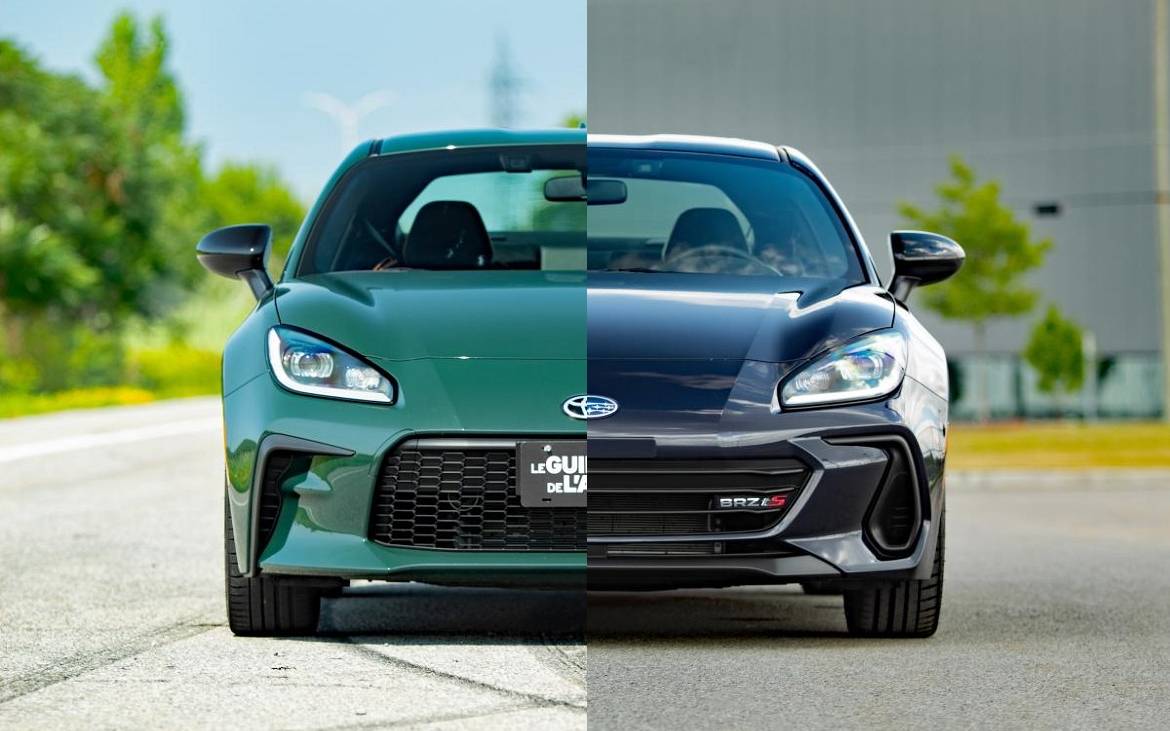
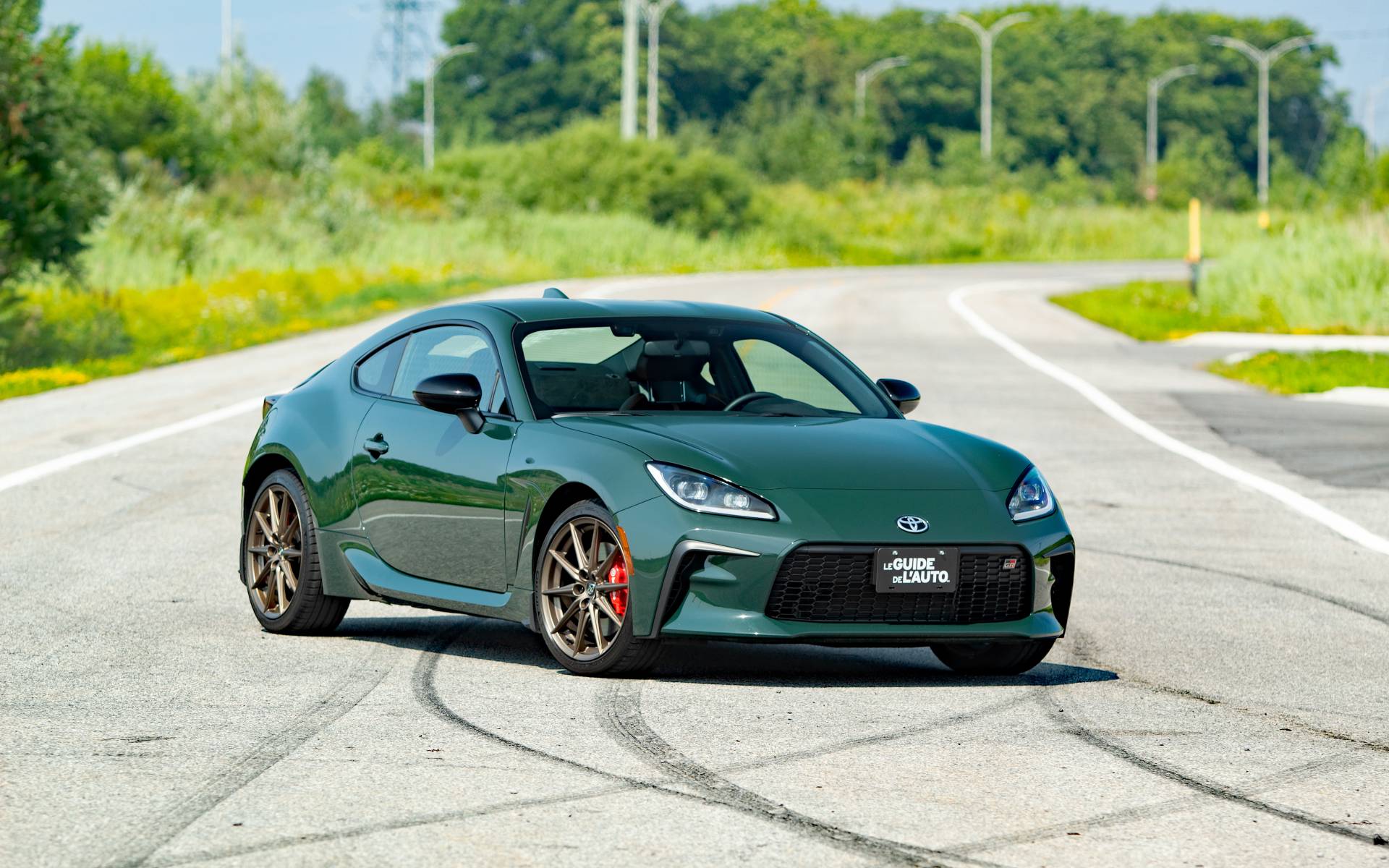
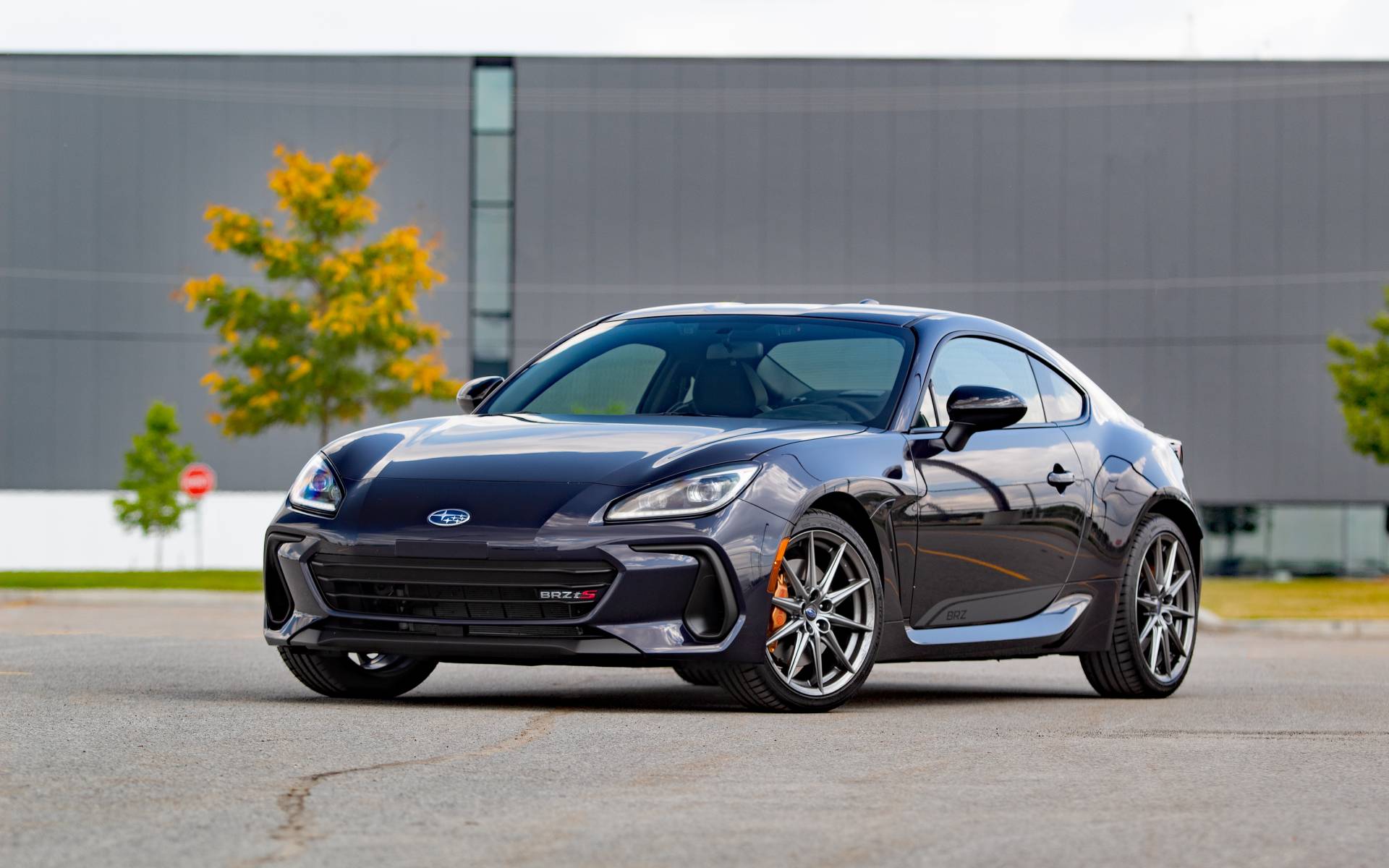
Toyota GR86 / Subaru BRZ
The late Scion FR-S, which became the Toyota 86 and then the GR 86 following the 2022 redesign, was co-developed with the Subaru BRZ. These two affordable sports cars share their platform, naturally aspirated boxer engine (now producing 228 horsepower), transmissions and rear-wheel drive layout, among other things. Each one offers special editions to differentiate itself, but they are essentially the same coupe.
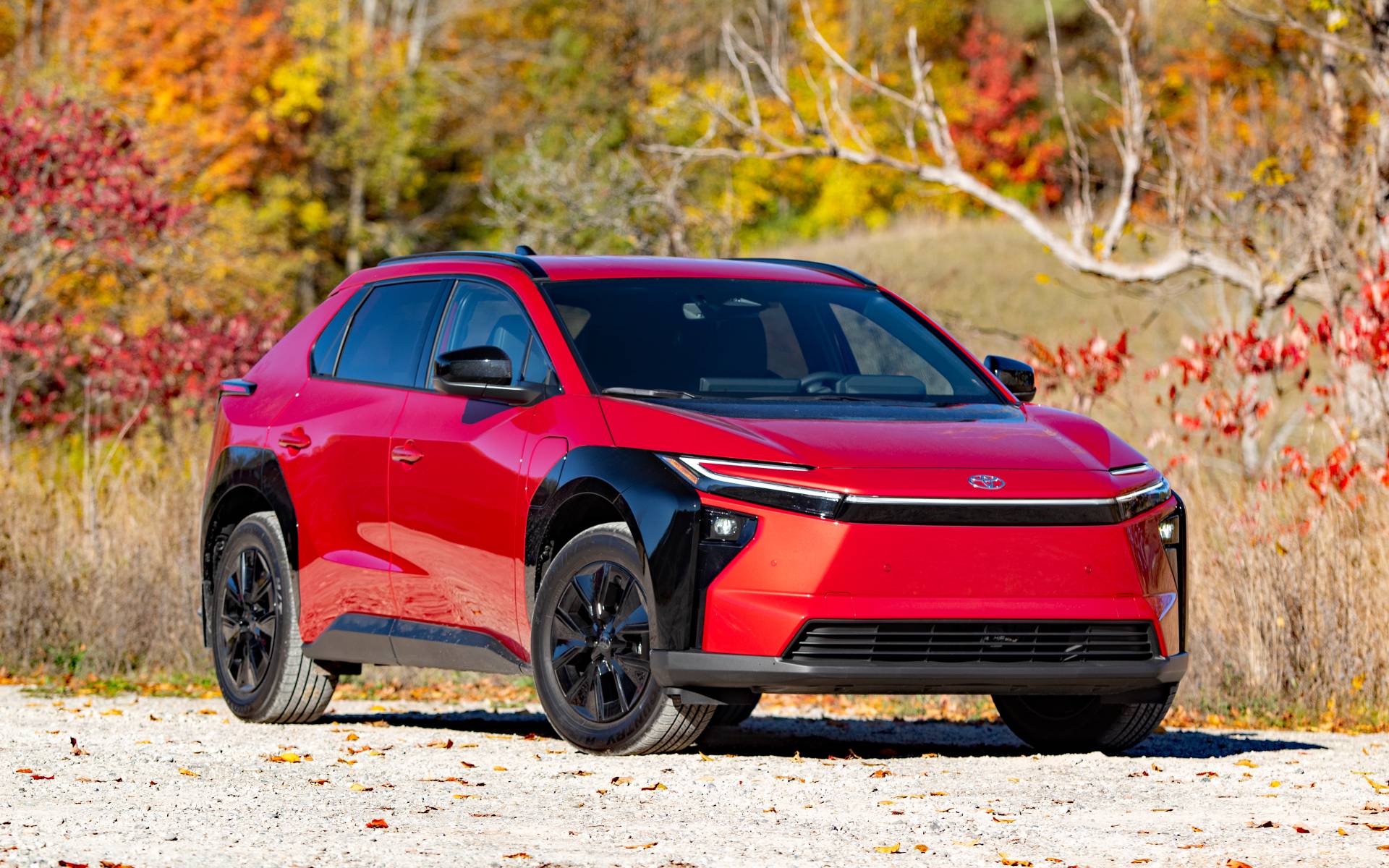
Toyota bZ / Subaru Solterra
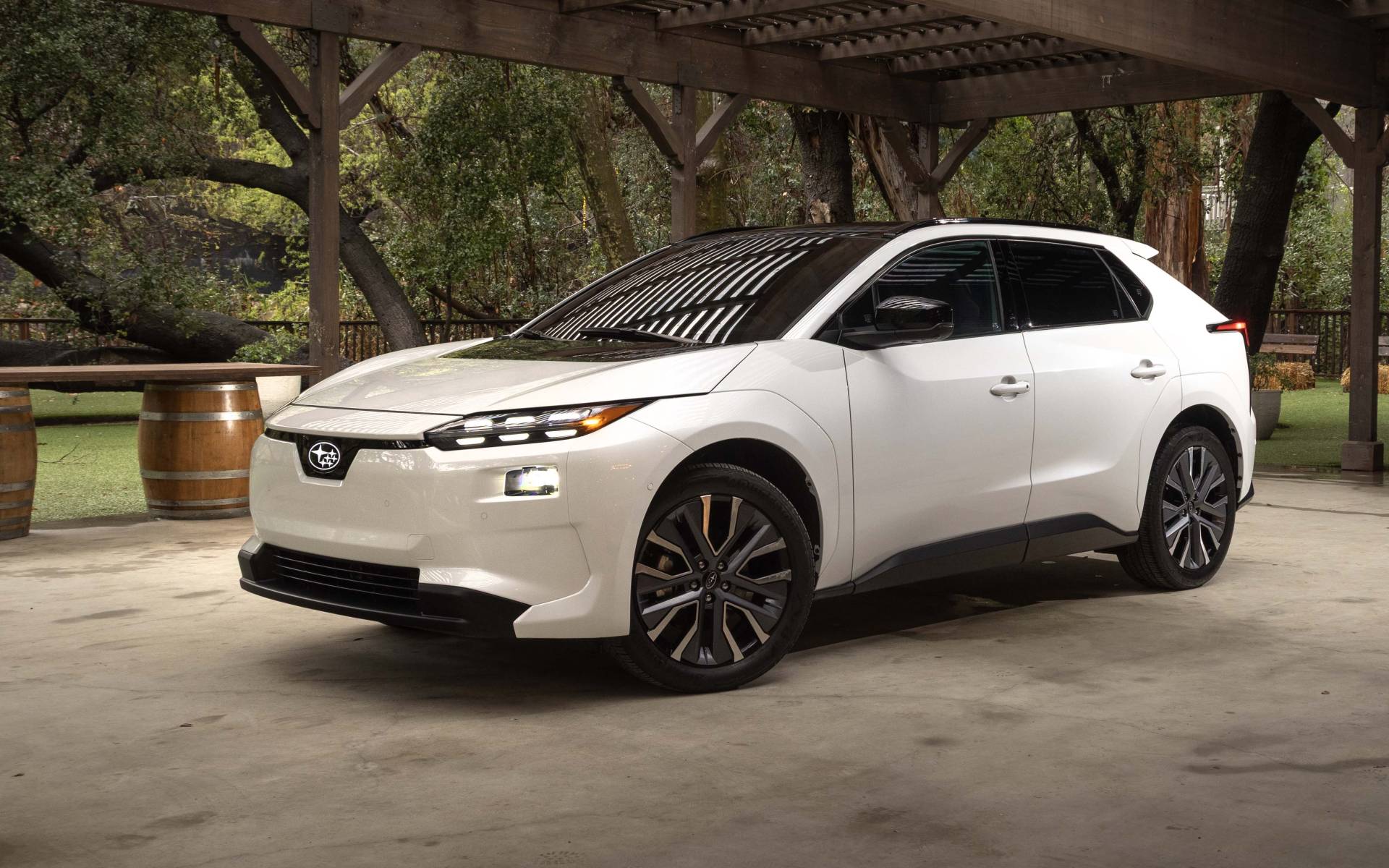
Formerly known as bZ4X, the Toyota bZ electric crossover is getting a major update for 2026—as is its Subaru twin, the Solterra. The headlight and grille design along with the steering wheel shape are pretty much the only things that distinguish them. That said, a significant difference can be found in the powertrain department: the bZ offers a front-wheel-drive model (168 horsepower) in addition to the all-wheel-drive models (338 horsepower), while the Solterra is limited to all-wheel drive. Toyota also boasts a slight range advantage with 468 km compared to Subaru’s 446 km.
Toyota bZ Woodland / Subaru Trailseeker
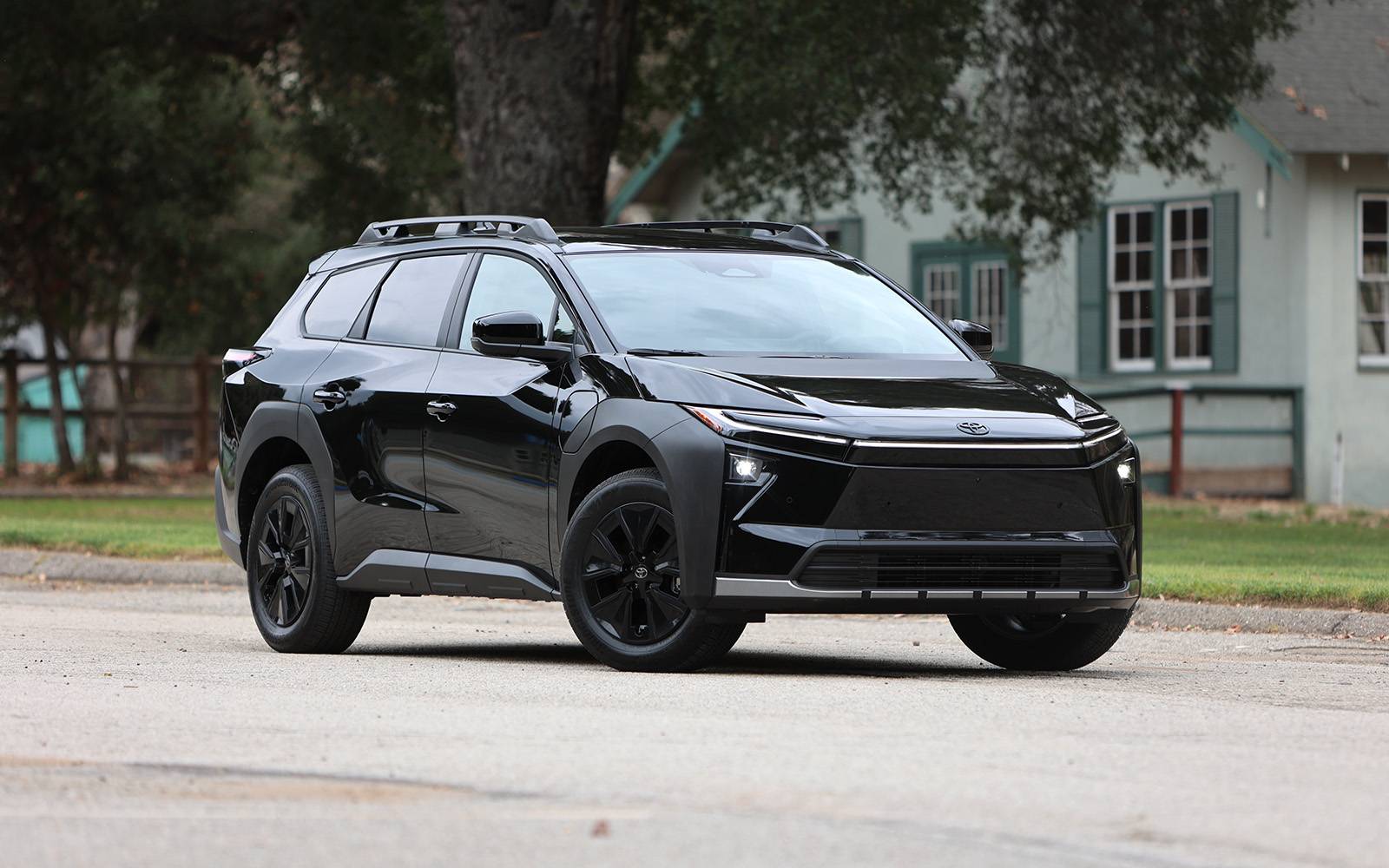
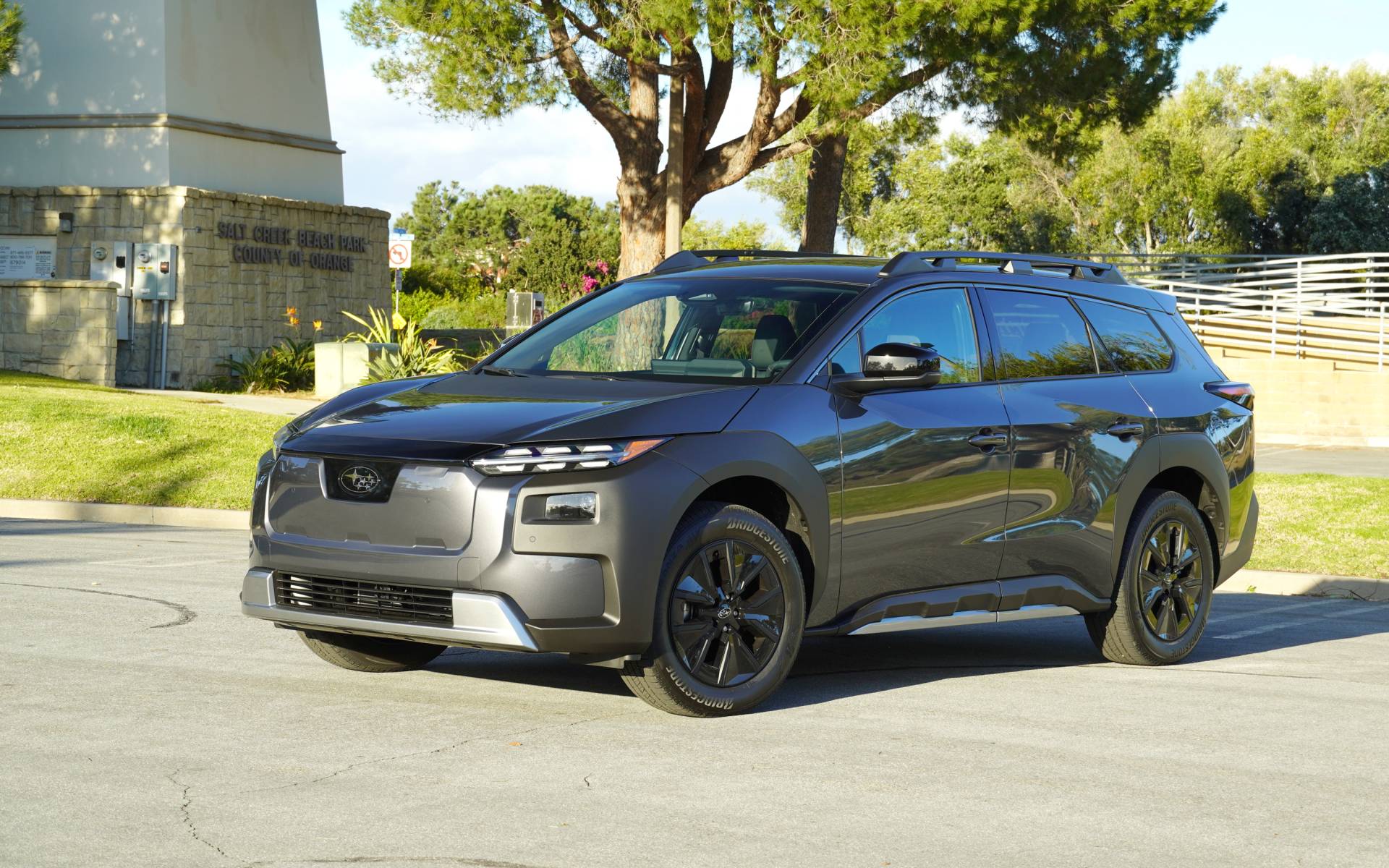
This pair is designed as a more adventurous and more versatile variant of the bZ and Solterra. While the driving range suffers slightly (452/444 km), ground clearance is improved, as is output (375 hp). The cargo area expands, and maximum towing capacity increases to 3,500 lbs. Outback-style roof rails are also included. Toyota offers the bZ Woodland in just two trim levels, both with plenty of content, compared to three for the Subaru Trailseeker. The latter features even more extensive body cladding.
Toyota C-HR / Subaru Uncharted
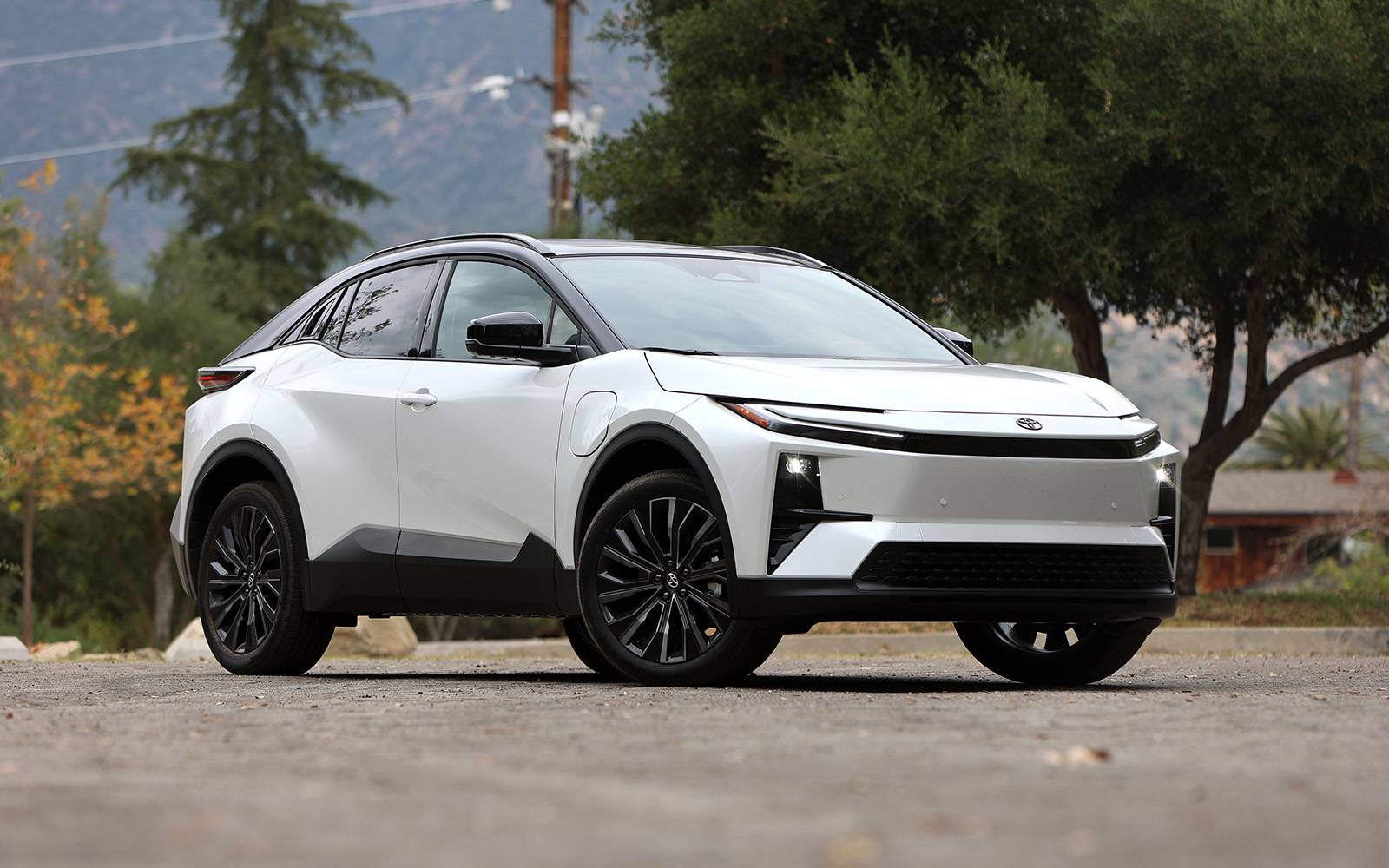
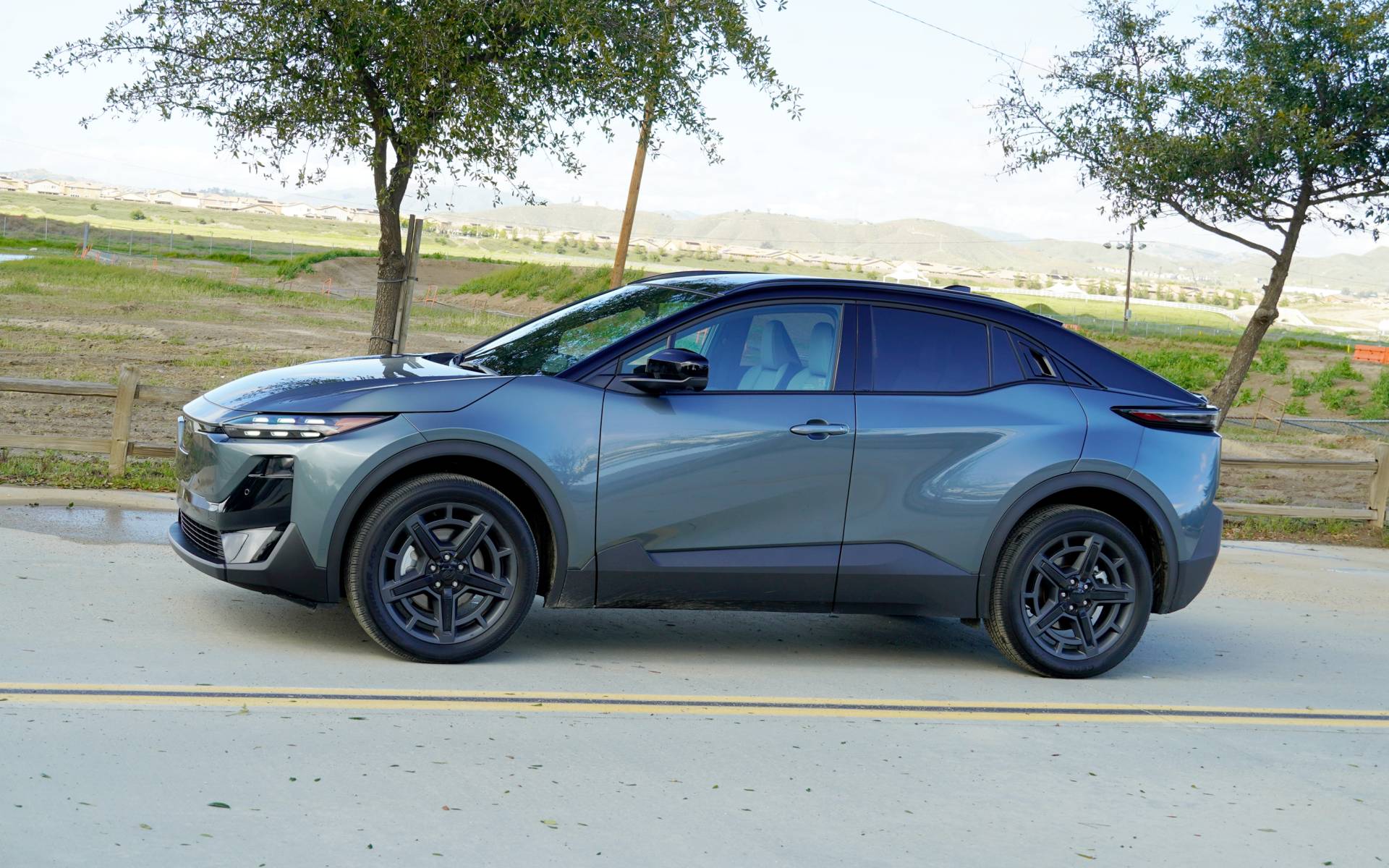
Smaller in size, these are two other electric SUVs that can easily be mistaken. You need to look at their front ends to tell them apart. Their dimensions and lines are identical. The same goes for their interior. Both the C-HR and Uncharted offer front-wheel drive (yes, even at Subaru) and all-wheel drive models, with output rated at 221 and 338 horsepower, respectively. The latter is less expensive in base trim as it comes with a 57.7kWh battery. Otherwise, a 77kWh battery is standard. These EVs may not achieve the same level of success as the Toyota Corolla Cross and Subaru Crosstrek, but they should still appeal to a good number of shoppers.
Toyota Highlander / Subaru Getaway
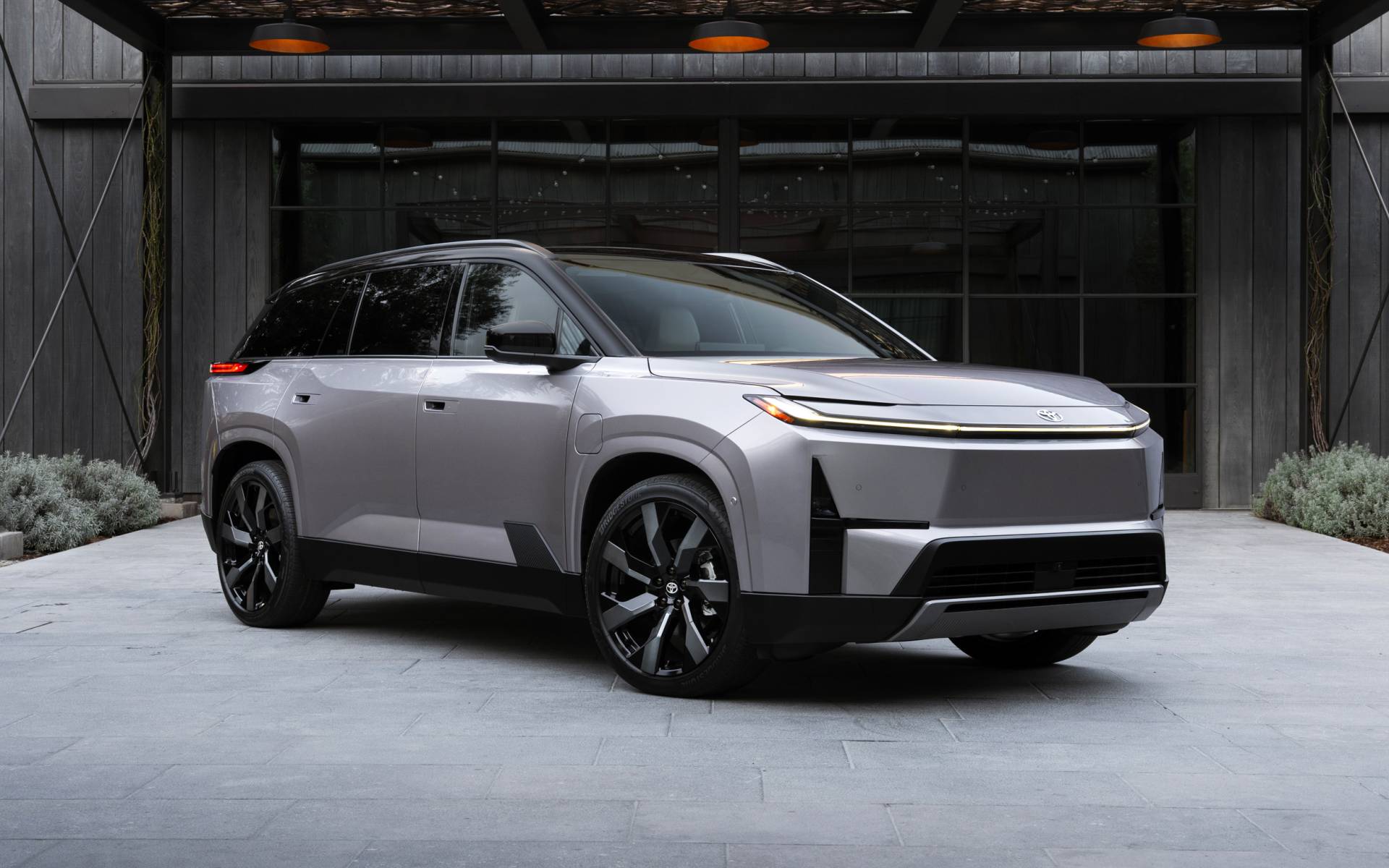
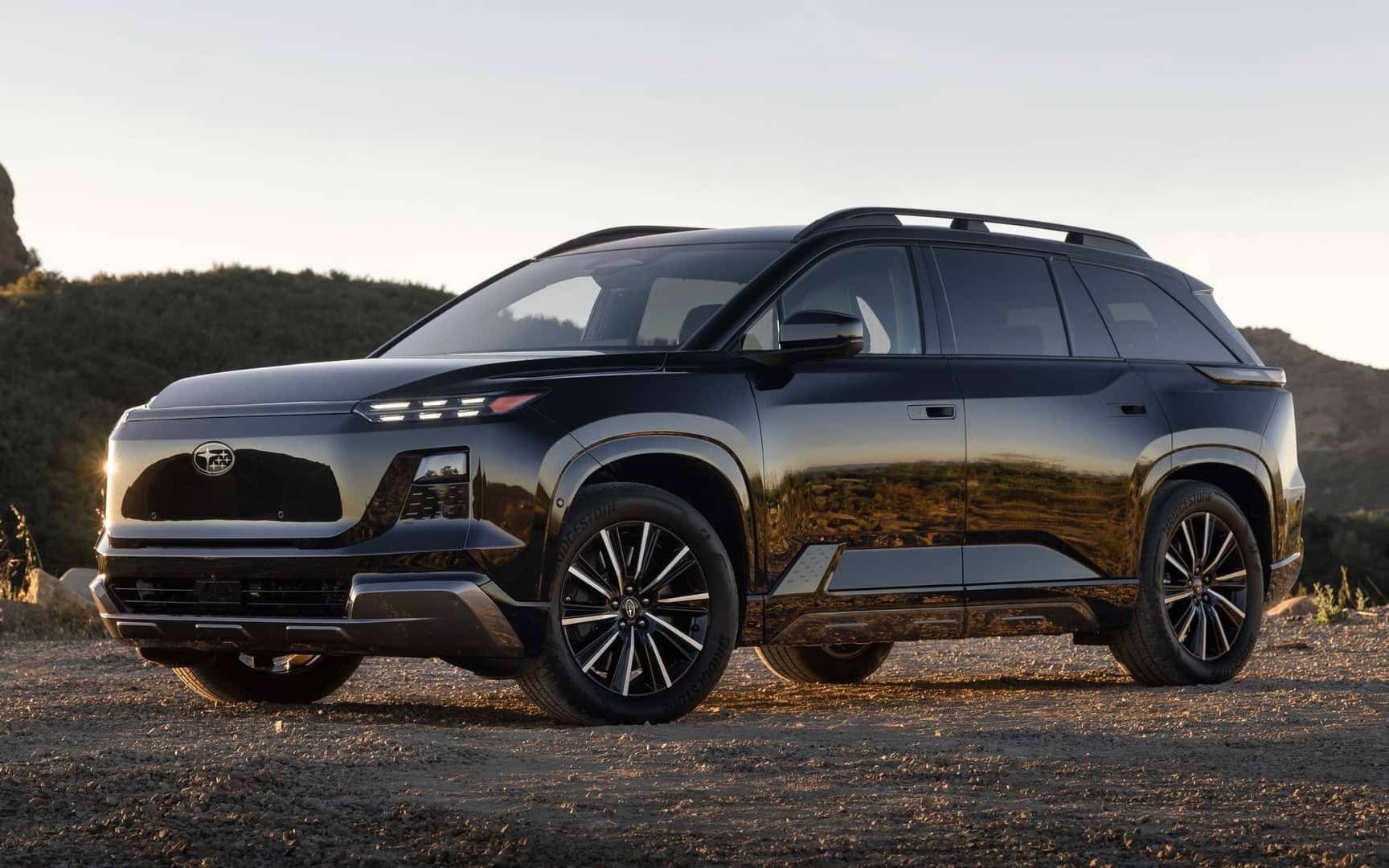
Finally, for families needing three rows of seats, the venerable Highlander is getting a complete makeover and going fully electric for the 2027 model year. Based on the e-TNGA platform shared with the C-HR, bZ and bZ Woodland, it offers 221-horsepower FWD models and 338-horsepower AWD models. Range can be as long as 511 km in the best-case scenario. The new Highlander has its equivalent in the Subaru Getaway, a carbon copy except for a few styling tweaks and a power boost to 420 horsepower. The only problem: it may not come to Canada, at least initially. The tariff situation and upcoming CUSMA negotiations will dictate Subaru’s decision on whether or not to import it here.