From PHEV to e-Power: A Look at Nissan Rogue’s Electrification

The Nissan Rogue is one of the most popular compact SUVs in Canada. Now in the final year of its current generation, the lineup has changed significantly including the addition of an adventure-oriented Rock Creek model and a fuel-saving Rogue Plug-in Hybrid.
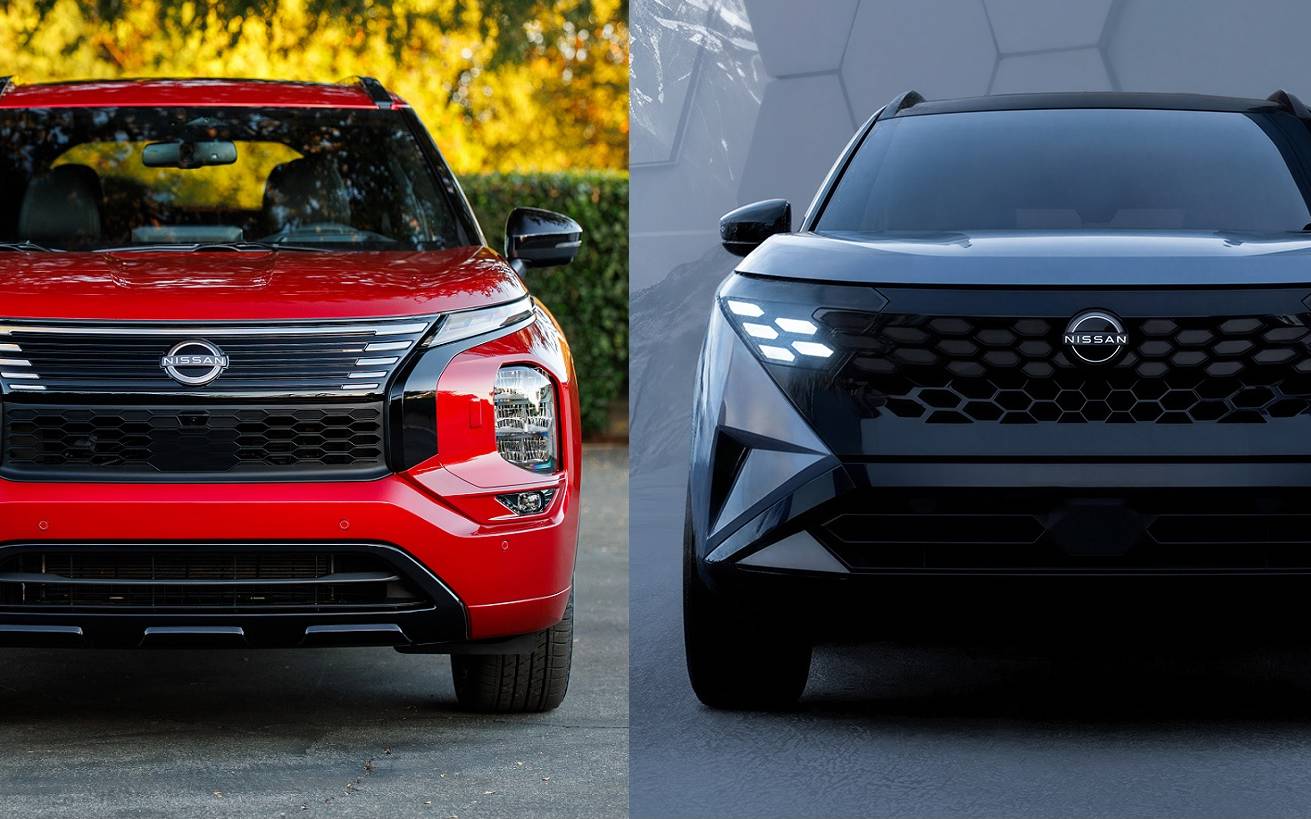
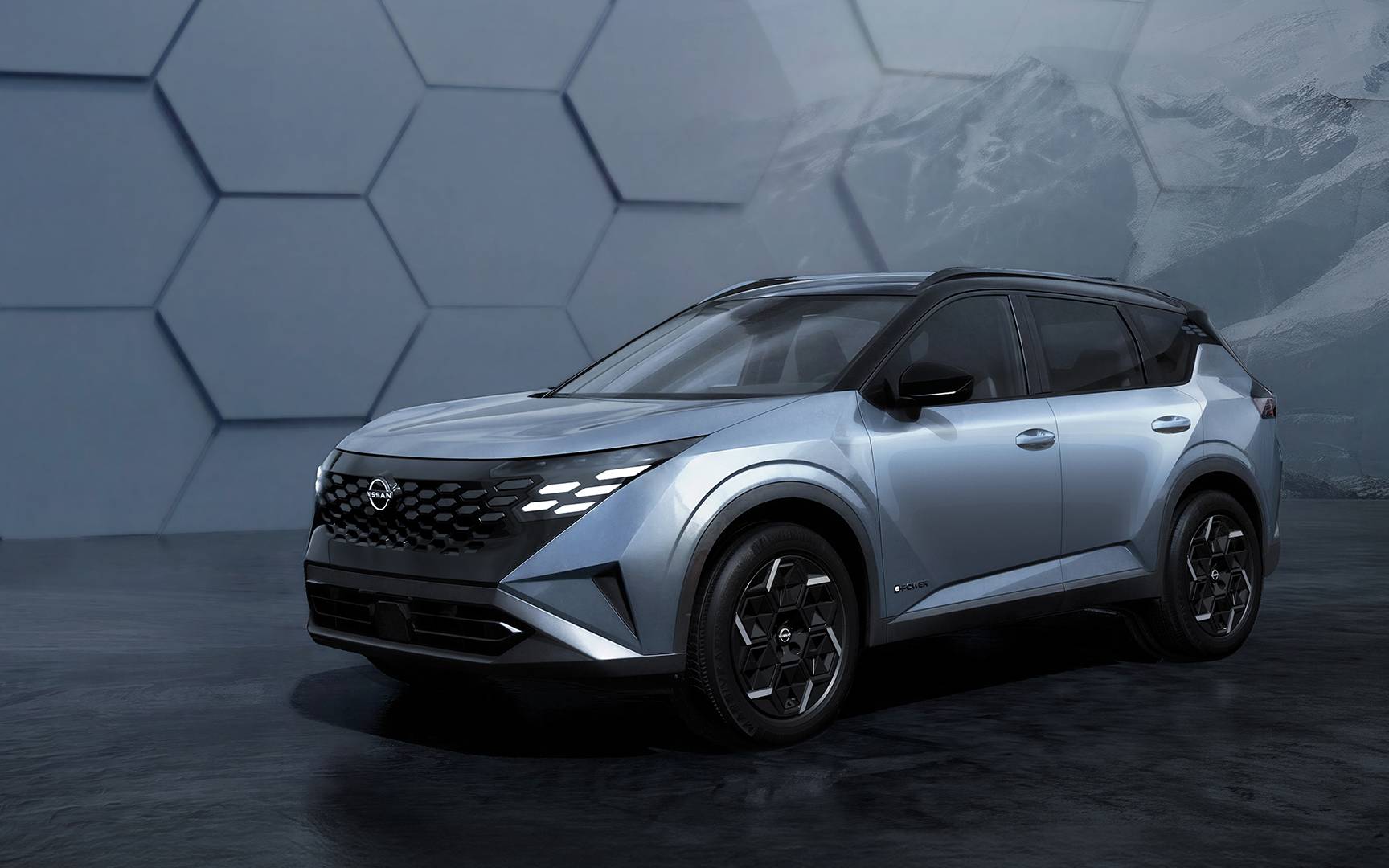
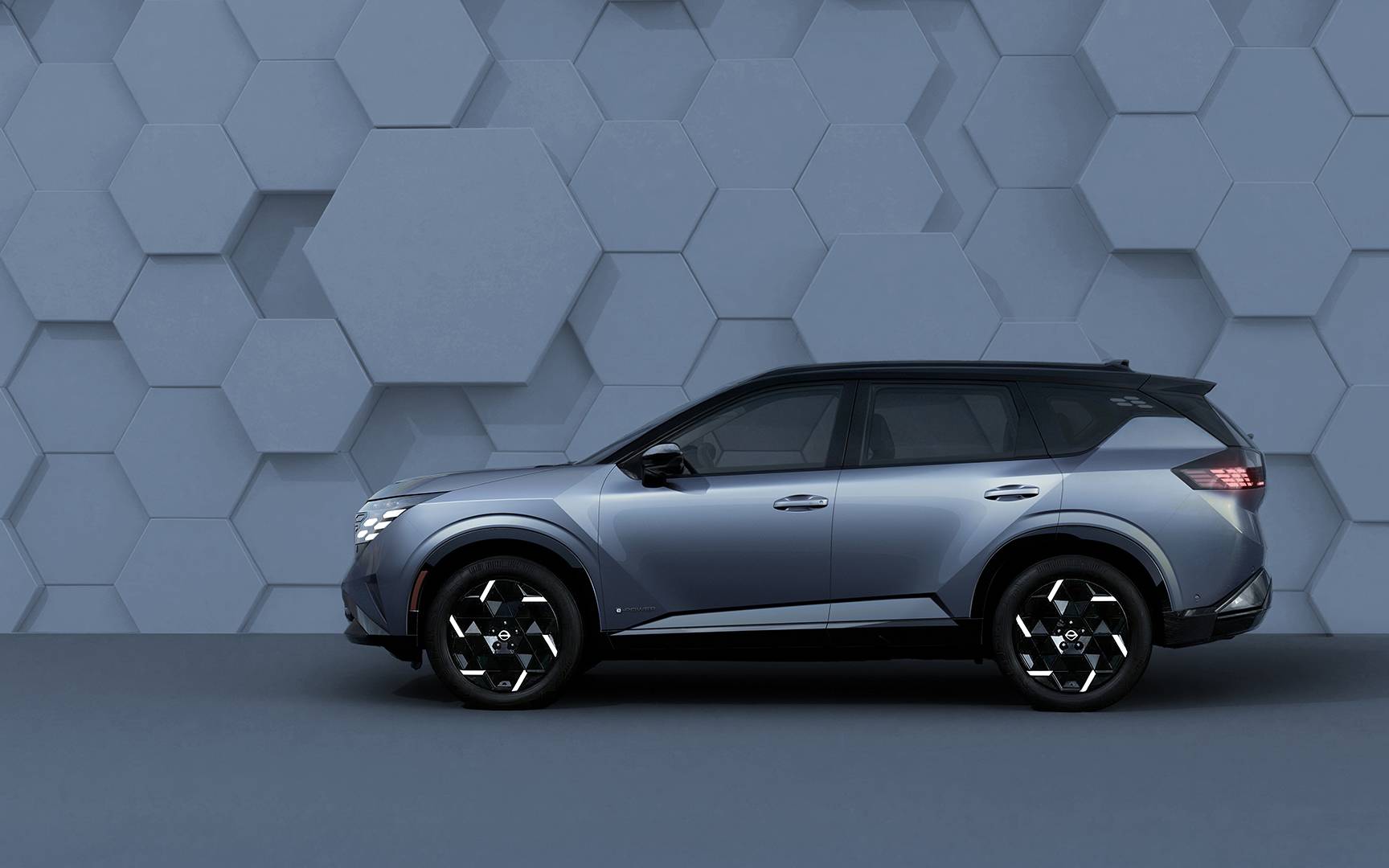
A successor is right around the corner, boasting not only a very different look but also e-Power hybrid technology. The latter has so far been reserved for Asian and European markets, but the latest generation (third) is designed and engineered to meet the needs of North American drivers. Let’s take a closer look at Nissan’s effort to electrify the Rogue…
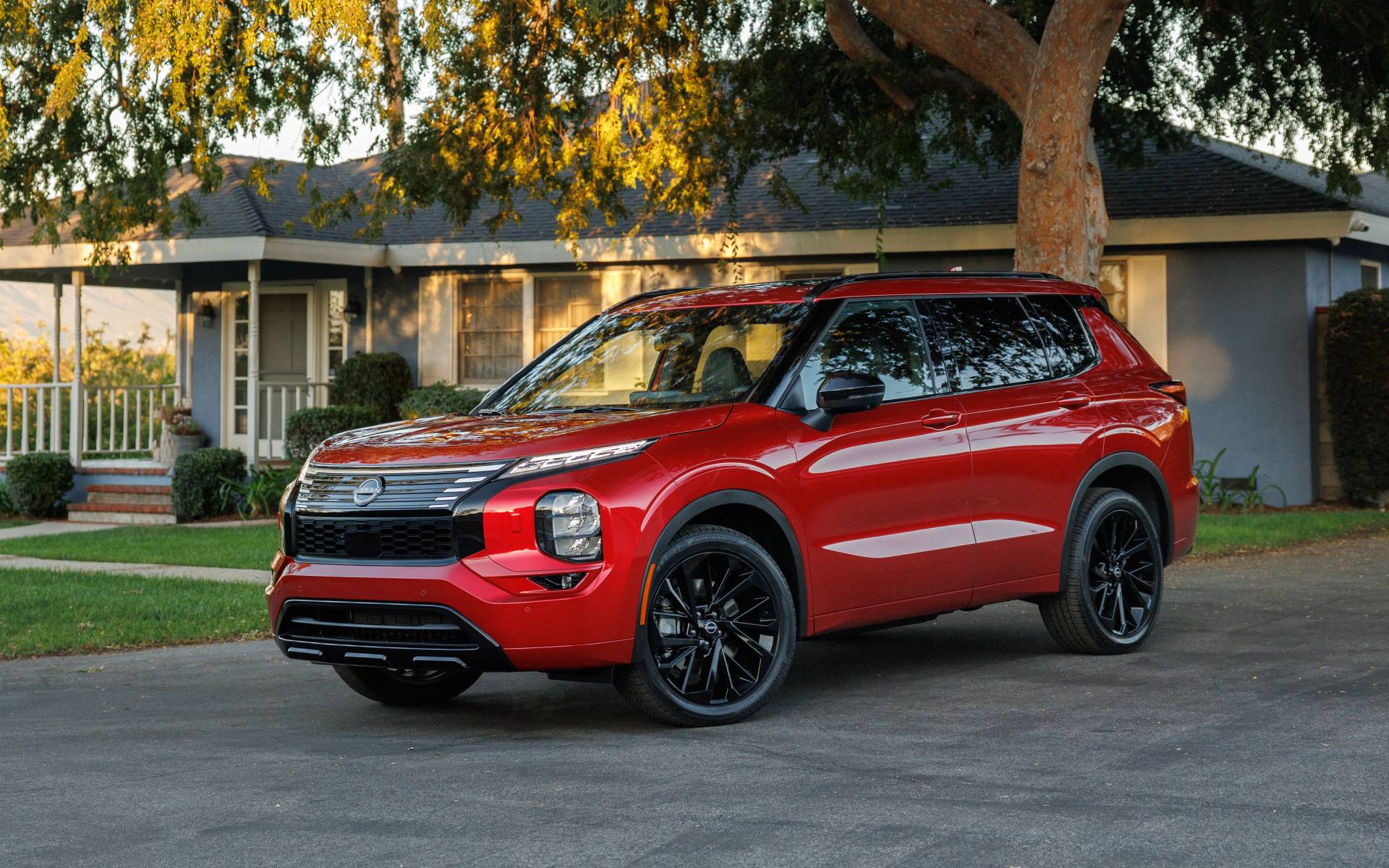
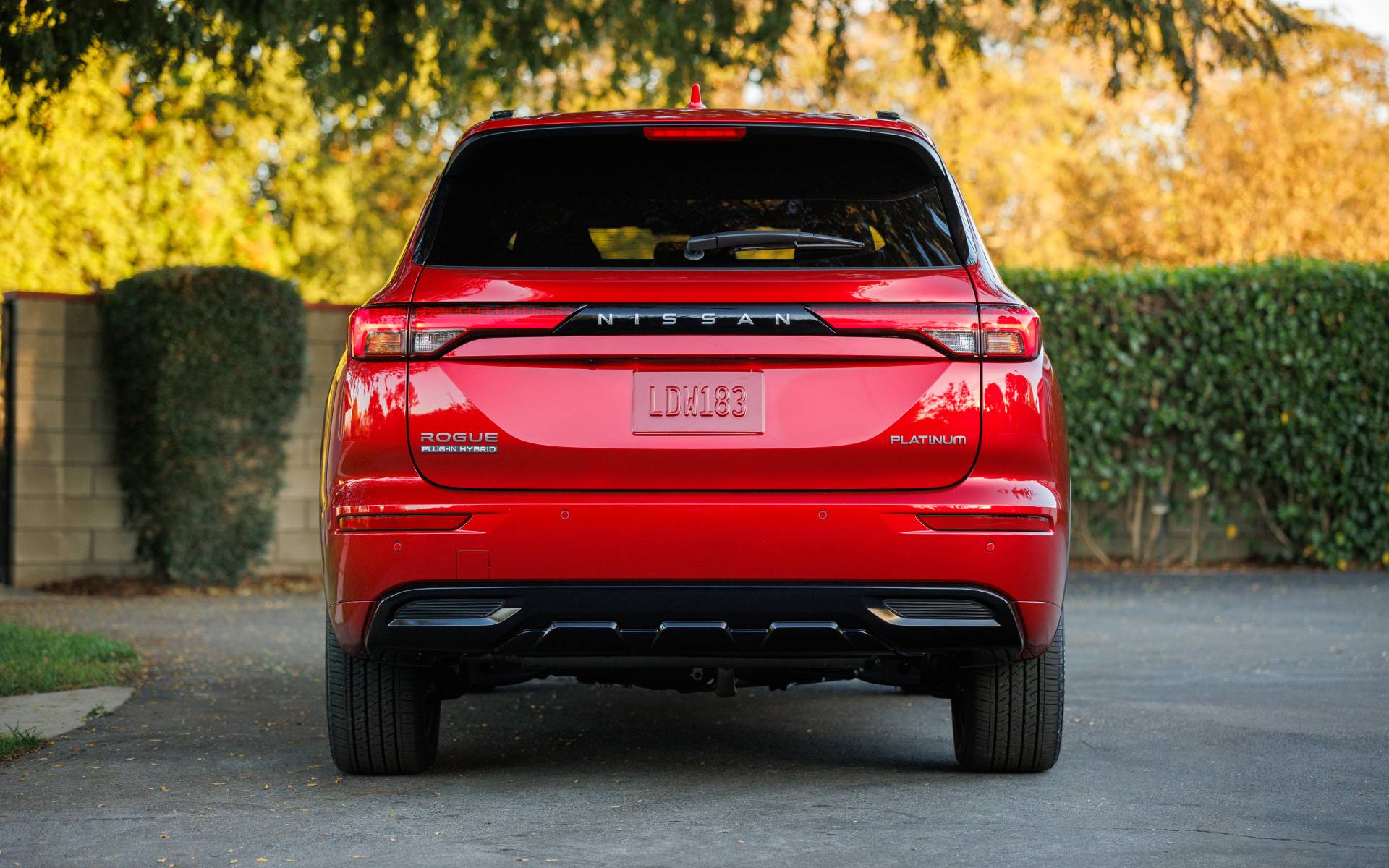
2026 Nissan Rogue Plug-in Hybrid
Launched earlier this year exclusively in fully equipped Platinum trim, the Rogue Plug-in Hybrid is a carbon copy of the 2025 Mitsubishi Outlander PHEV. Except for the badges and the Nissan-style front grille, the exterior and interior don’t look anything like the Rogue as we know it.
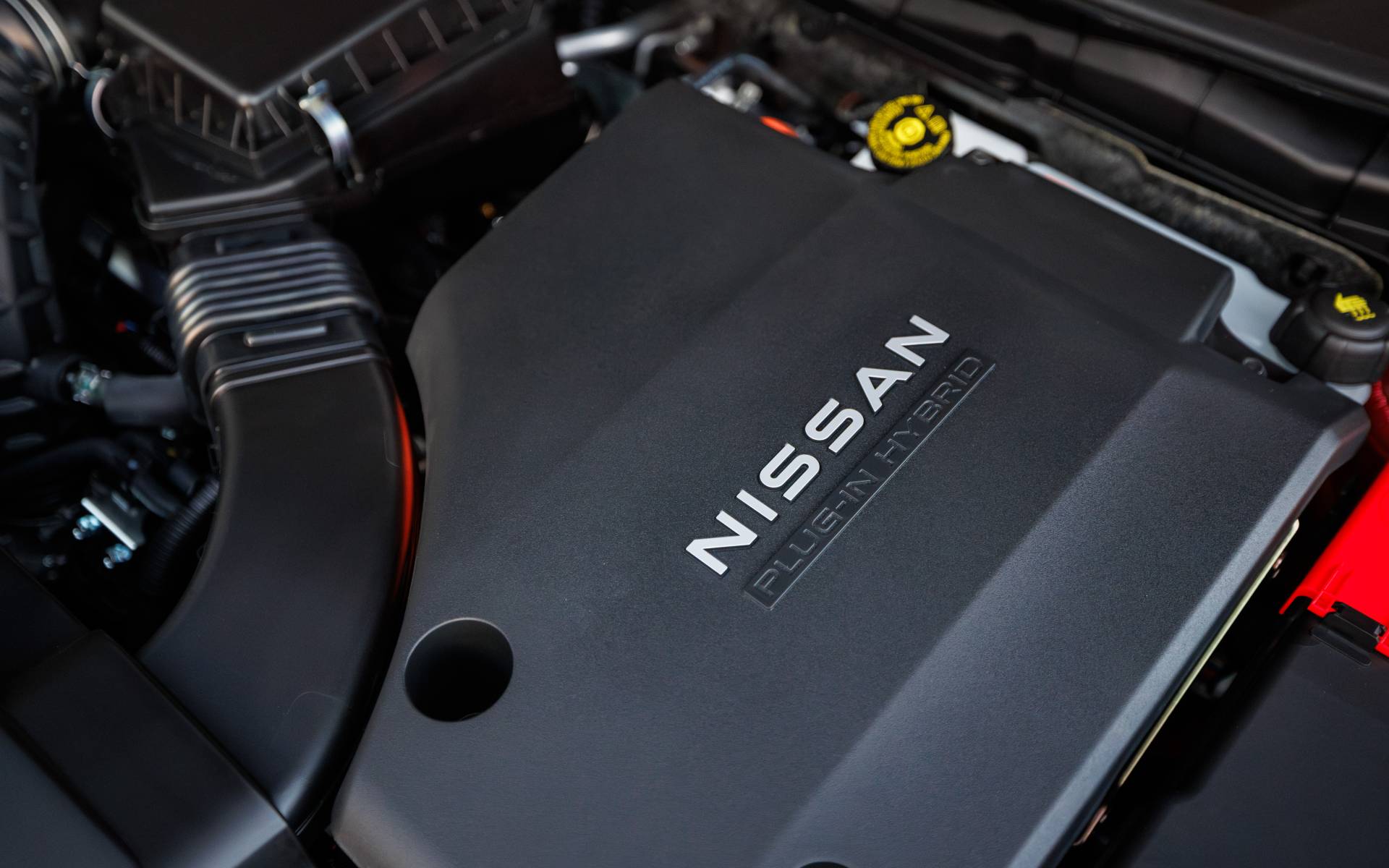
The same goes for the powertrain: two electric motors, a 20kWh lithium-ion battery and a 2.4-litre gasoline engine. The system generates a total of 248 horsepower and 332 lb-ft of torque, allowing for quicker acceleration than the standard Rogue (201 hp, 225 lb-ft) and, most importantly, up to 61 km of electric range.
Drivers can select from EV, Save or Charge modes depending on how they want to use the available energy. There are also two levels of regenerative braking enabled by moving the shifter from D to B or activating the e-Step function. As for charging, it’s best to rely on a Level 2 (240V) charger, which can fully replenish the battery in 7.5 hours.
The Car Guide’s Antoine Joubert learned during a recent presentation in Japan that the Rogue Plug-in Hybrid will likely not return next year, making it one of the shortest-lived products in Nissan’s history.
2027 Nissan Rogue e-Power
The launch of the next-generation Rogue in Canada has been moved up to this fall as a 2027 model, and Nissan describes it as the most refined Rogue yet. Unlike a conventional hybrid system, e-Power uses the combustion engine (in this case, a 1.5-litre four-cylinder) solely as a generator for the battery and the two electric motors that drive the four wheels (eliminating the need for a transmission). It’s also not a plug-in hybrid: drivers refuel just like a typical gas-powered car—there is no plug.
In city and suburban driving, the gasoline engine runs infrequently because speeds are lower and battery demand is modest. On highways or under heavy load, it runs more often to maintain battery charge and supply sustained electrical power.
At all times, the floor-mounted 2.1kWh lithium-ion battery stores energy captured through regenerative braking and from the engine. Furthermore, similar to most EVs, one-pedal driving will be possible in numerous situations thanks to e‑Pedal technology.
Although performance figures are not announced yet, the instantaneous torque of the electric motors combined with the absence of a transmission are said to result in quicker and smoother acceleration than with a regular hybrid vehicle. As for fuel consumption, Nissan claims that the Rogue e-Power will be 20% more efficient than the outgoing model, which would mean around 6 L/100 km. Sounds promising, doesn’t it?