Volkswagen’s Biggest SUV Gets a Beautiful Makeover

Volkswagen has transformed from a small-car company into an SUV company, at least in North America. Of course, you could say the same thing about a number of competitors these days. From the subcompact Taos to the large Atlas and everything in between including the popular Tiguan and the all-electric ID.4, there’s something for everyone and every budget.
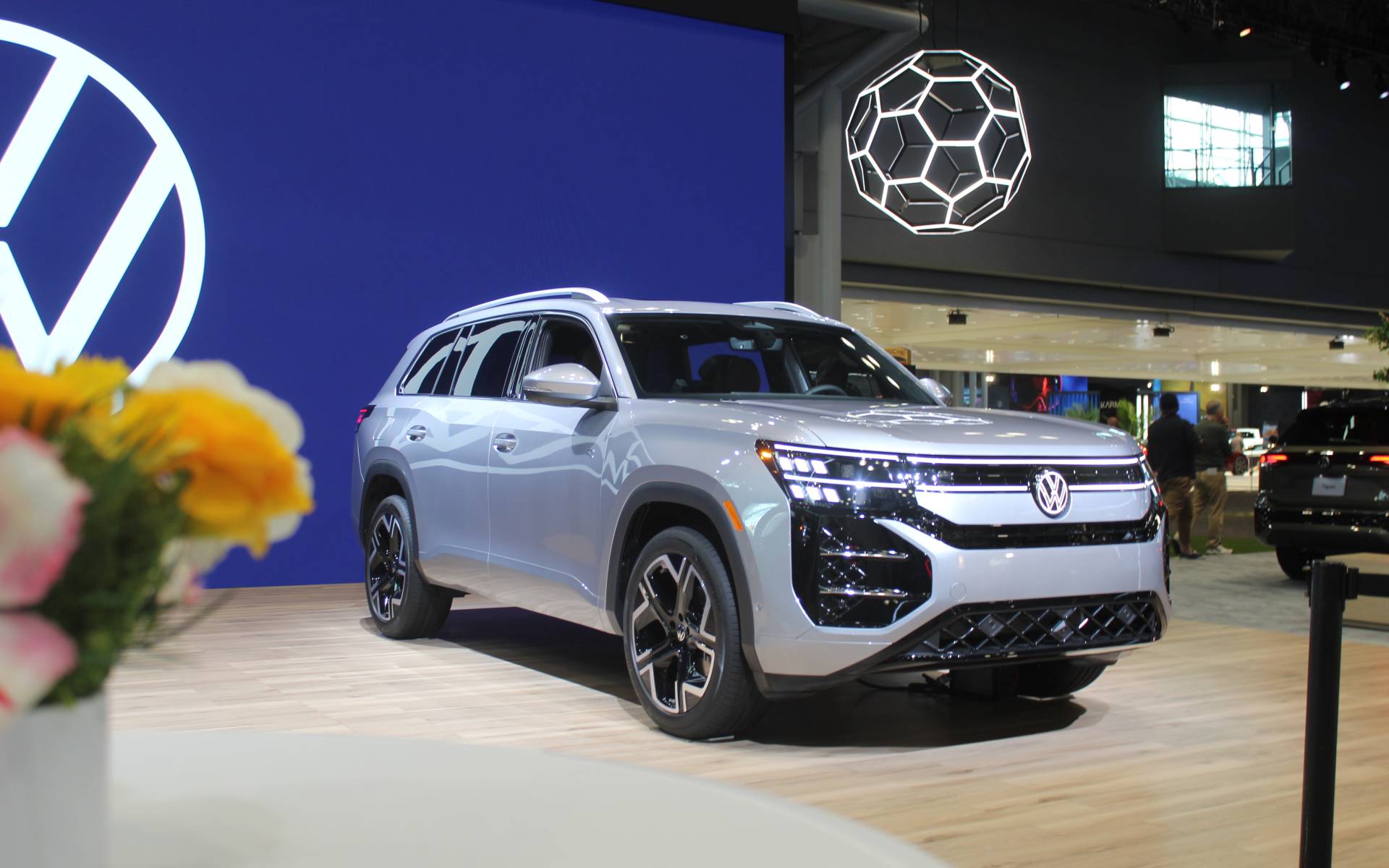
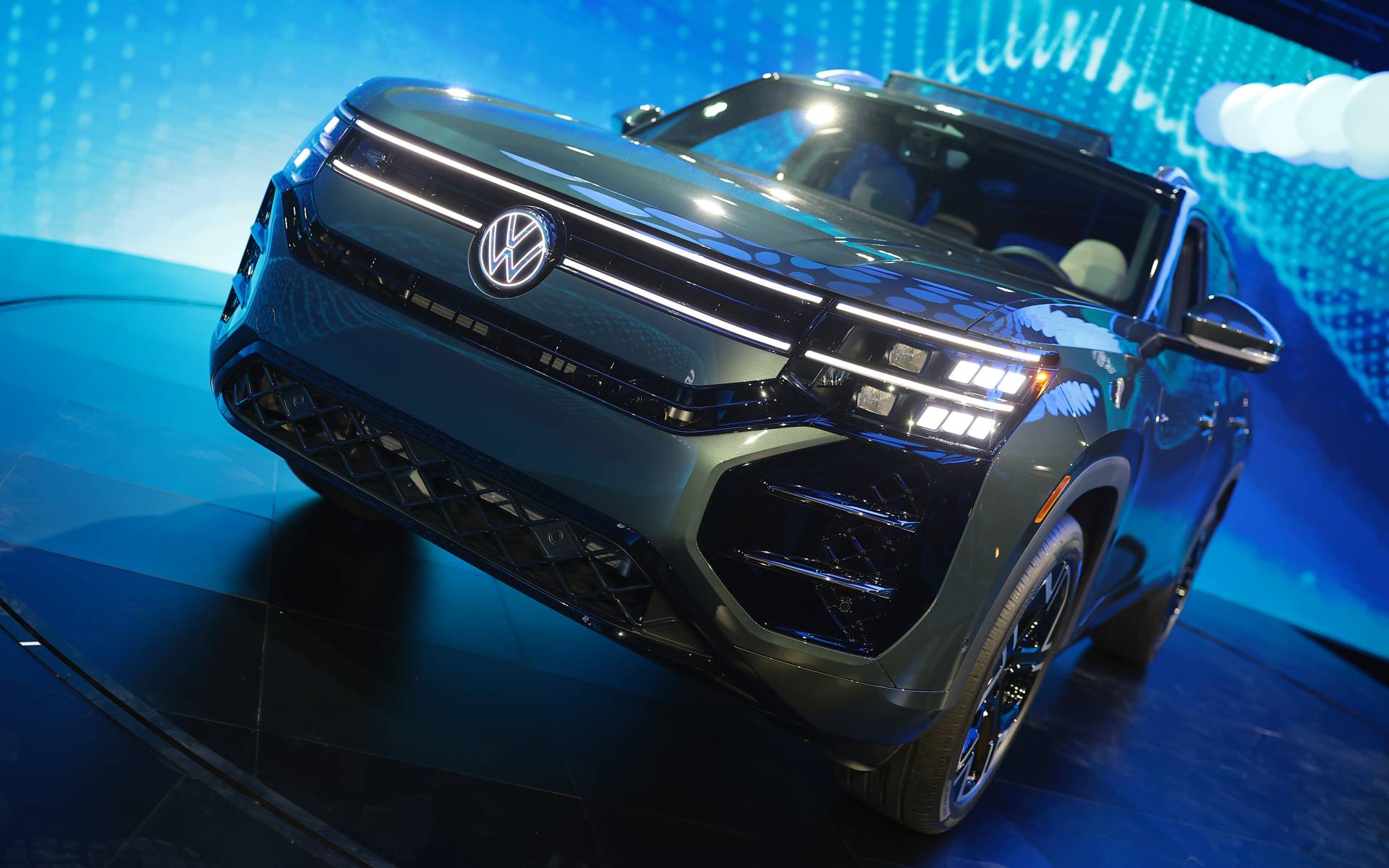
At the New York Auto Show earlier this month, Volkswagen unveiled the second generation of its three-row midsize SUV, which is more refined, more powerful and more technologically advanced than the nearly decade-old original. At the front, the double-stacked LED headlights and masked upper grille contribute to a more upscale look. The Volkswagen emblem is illuminated on all but the base model.
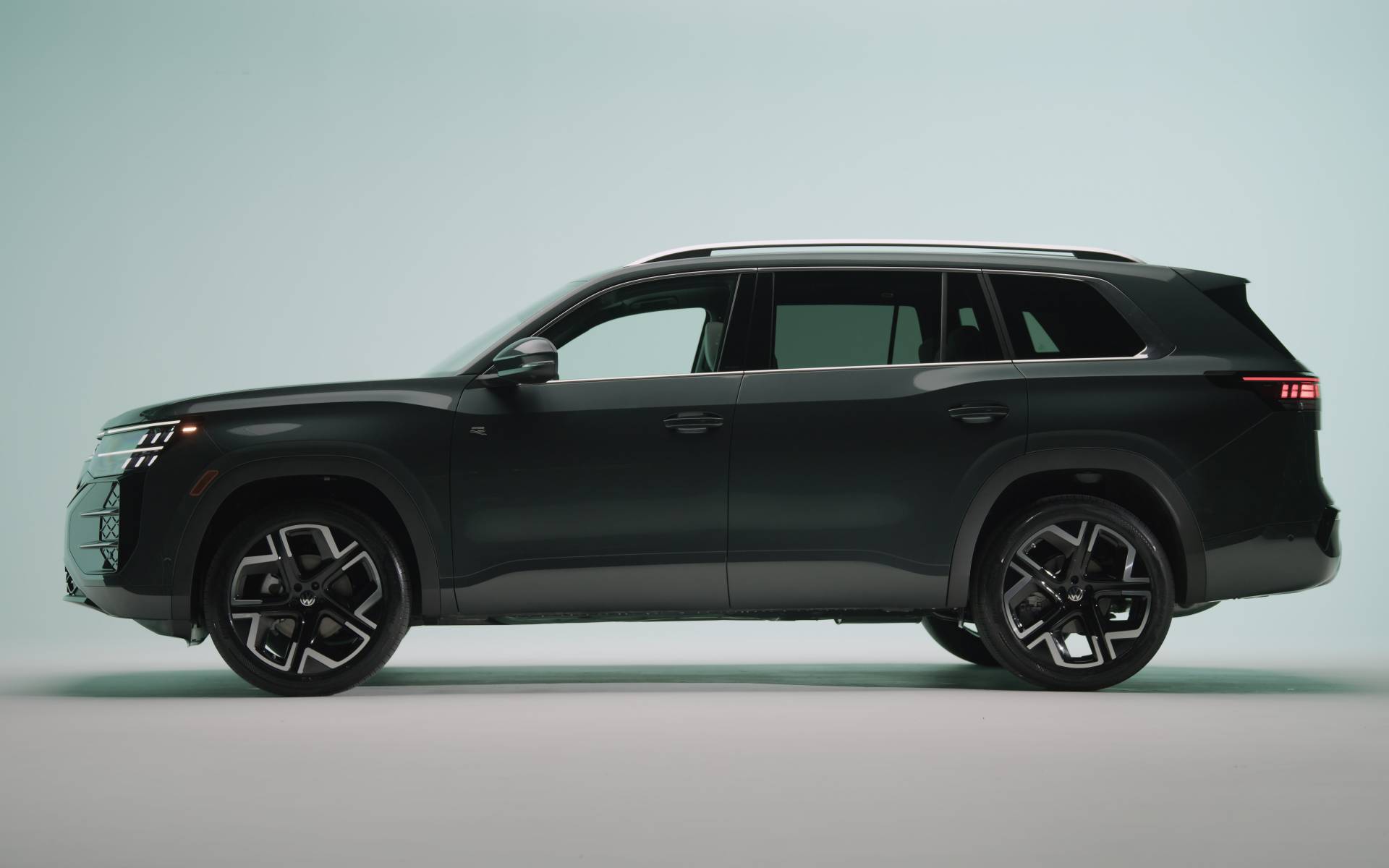
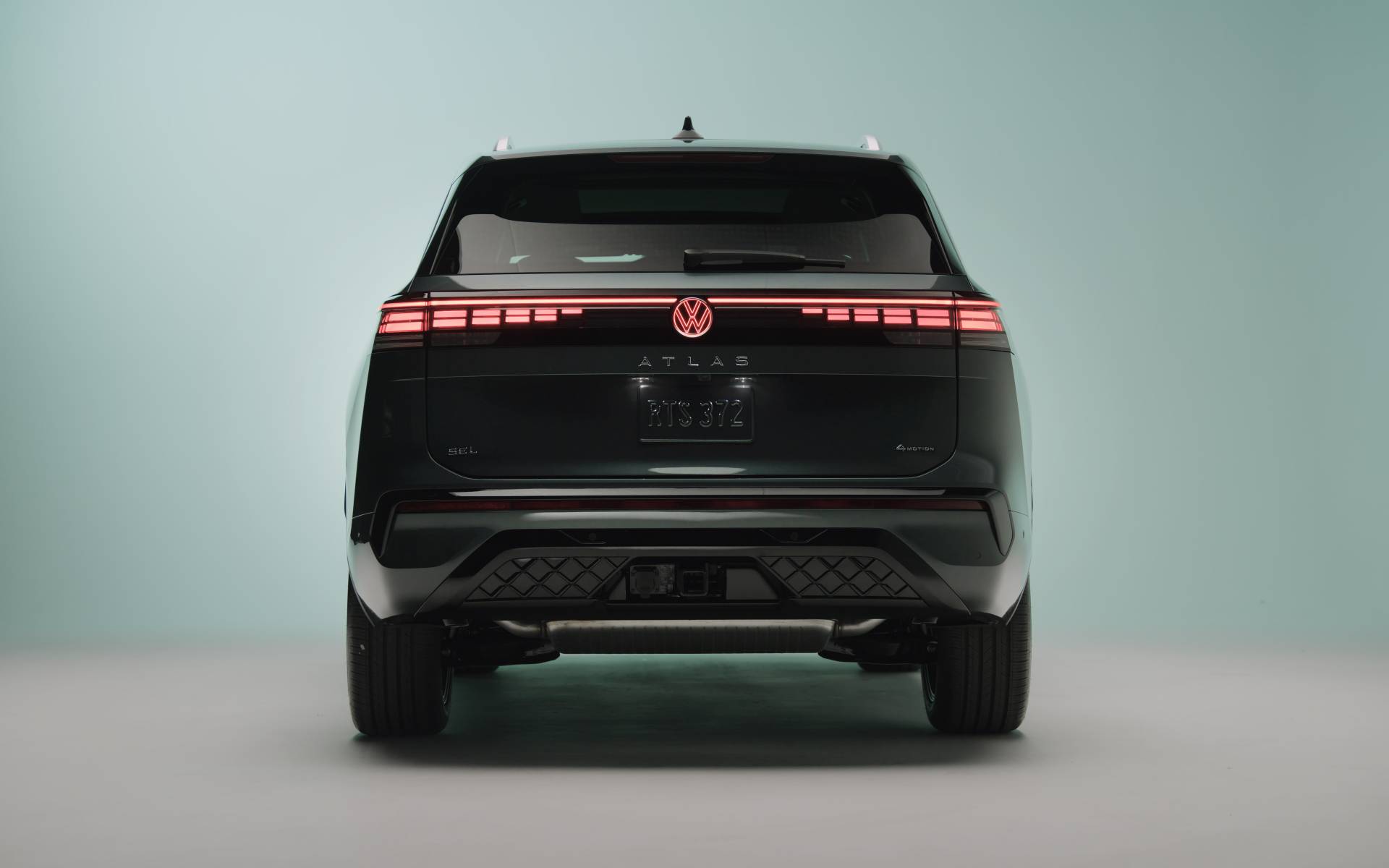
We also like what designers have done with the sides, preserving muscular fenders while cleaning things up and focusing on a prominent character line at the top. The new 18- to 21-inch wheels (available in black or machined finish) look fantastic, and kudos for the full-width taillights that mimic the front light signature and incorporate turn signals with three different animations.
Audi Influence
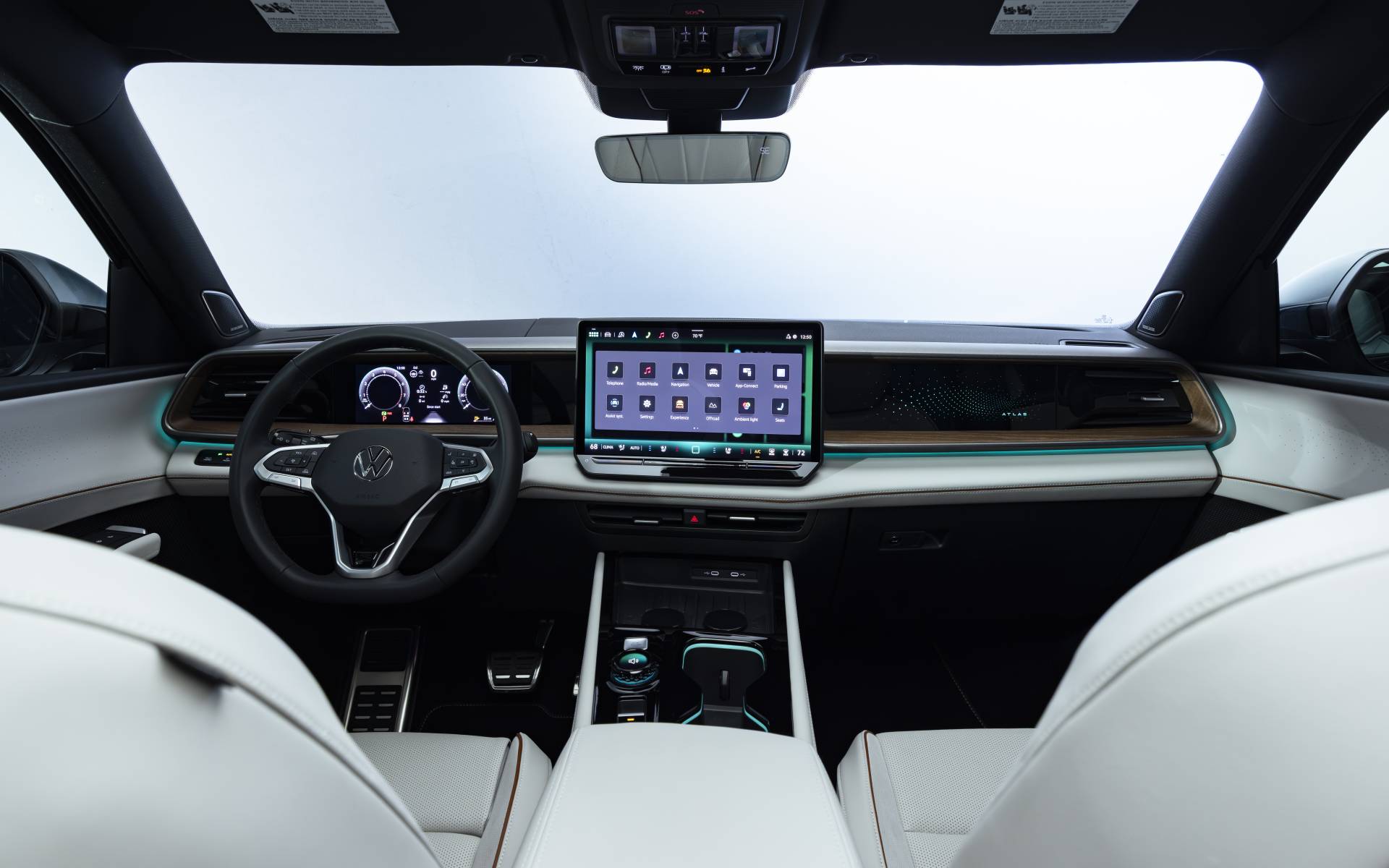
Drawing inspiration from its luxury brand Audi, Volkswagen has thoroughly and magnificently transformed the Atlas’ interior. This is evident in the choice of materials (including real wood on all models and two leather choices if you’re not a fan of fake leather) and the dashboard layout. Three colour themes are available including an airy Mistral, Soul Black and new, sporty-looking Garnet Red, along with stylish 10- or 30-colour ambient lighting, not to mention a fancy “Atmospheres” feature to coordinate lighting and audio settings.
Standard content is enhanced and includes a power liftgate, rear sunshades, auto-dimming driver-side mirror, as well as front and rear park distance control. When it comes to infotainment, the new centre touchscreen measures 12.9 or 15 inches depending on the trim level and is paired with a configurable 10.25-inch digital instrument cluster. Two smartphones can be wirelessly charged side by side, and seven USB-C ports are conveniently located throughout the vehicle.
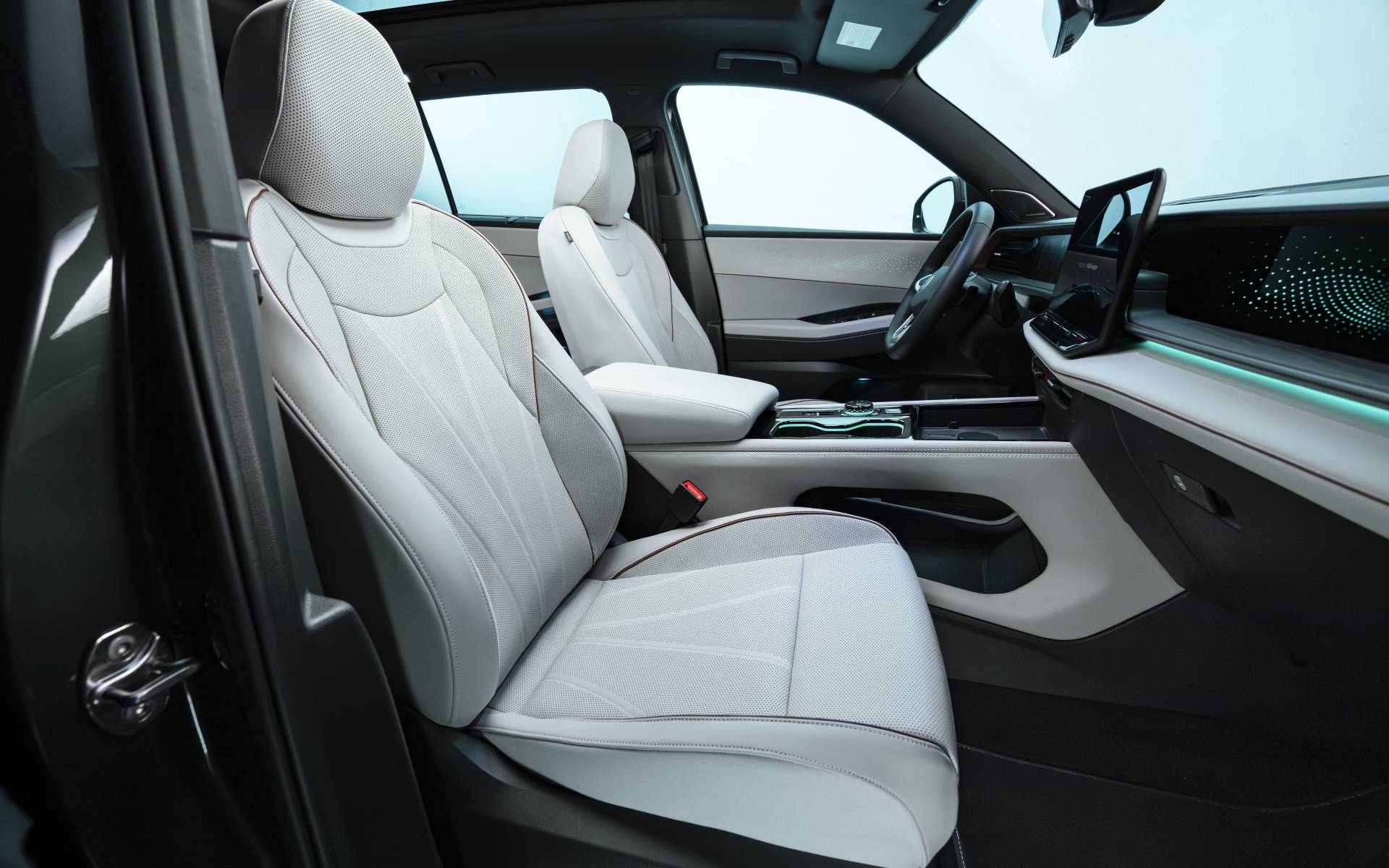
All of the above can be enjoyed from the comfort of redesigned, more ergonomic seats including standard 12-way power adjustment for the driver, optional thigh support and massage—an Atlas first. Heated and ventilated second-row seats are available, too. Incidentally, those second-row seats can tilt and slide out of the way, even with child seats installed, to provide easier access to the third row.
Still No Hybrid
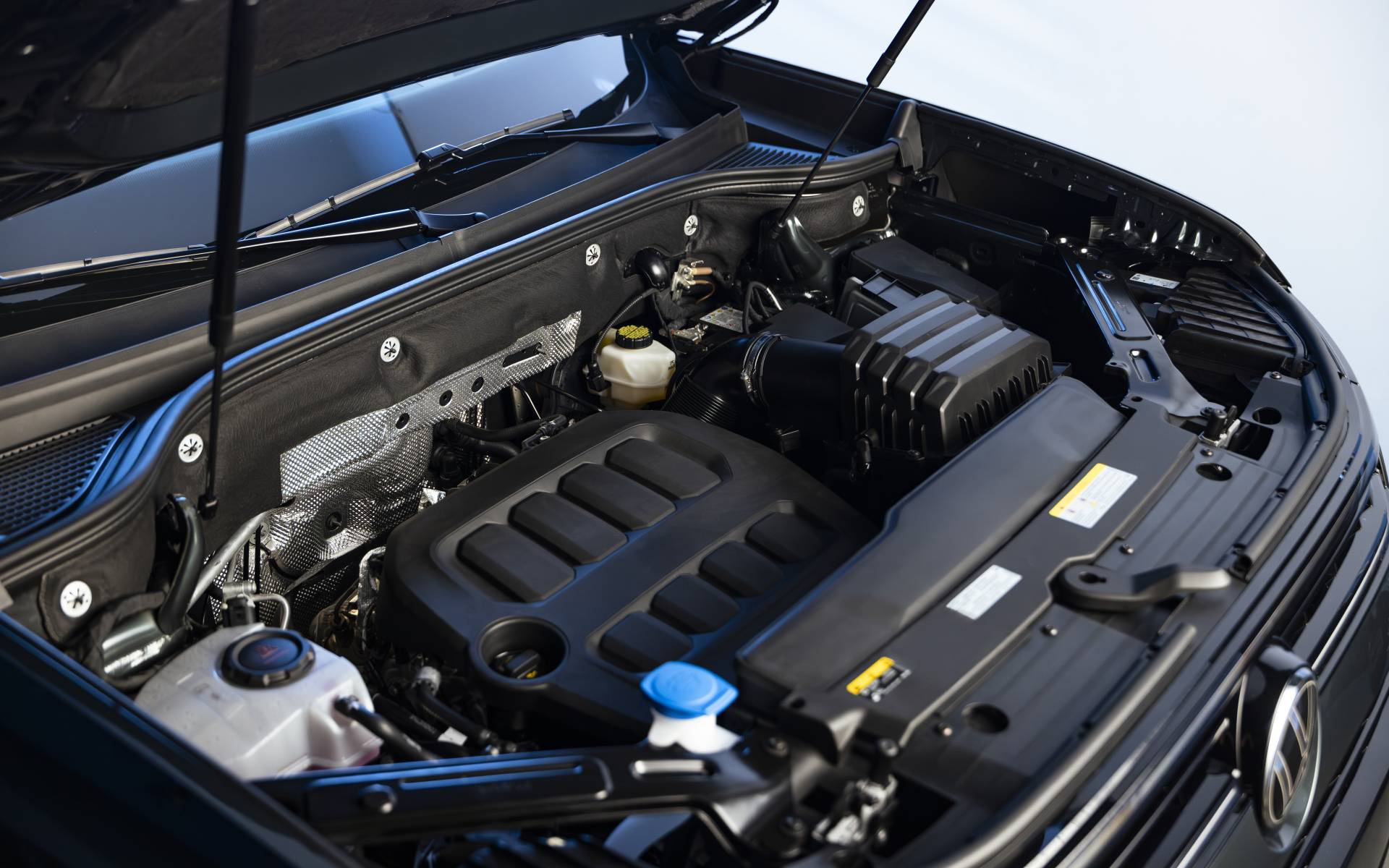
If you were hoping for an electrified Atlas, we regret to inform you that you’ll have to wait a few more years. The engine under the hood remains a turbocharged 2.0-litre four-cylinder. Volkswagen will happily tell you it’s more potent now at 282 horsepower, but that represents an increase of just 13 horsepower. Maximum towing capacity is still rated at 5,000 lbs. An 8-speed automatic transmission and 4MOTION all-wheel drive are also standard. Notably, the company promises slightly improved fuel economy, without providing specific figures yet.
The 2027 Volkswagen Atlas will arrive at Canadian dealerships starting this fall. Naturally, the two-row, five-passenger Atlas Cross Sport will receive a similar treatment, but a few months later. As inflation dictates, prices will inevitably increase. Bad news for customers? Not really. The best-selling Atlas model happens to be the top-of-the-line Execline.