Honda’s EV Dream Turns Into a Nightmare

While Toyota and Subaru are busy introducing all-new electric vehicles, another Japanese automaker is pulling the plug, at least in North America. Honda, which not so long ago aimed to offer seven electric models by 2030, is back to square one, or almost. How did it get to this point?
The recent reassessment of the company’s automobile electrification strategy can be explained by various factors including changes in the business environment, such as the easing of fossil fuel regulations and the elimination of EV tax credits in the U.S., not to mention President Donald Trump’s tariffs. Let’s recap the vehicles and projects that have been either scrapped or paused by Honda.
It all began in October 2023 when Honda and General Motors abandoned their plan to jointly manufacture a series of affordable electric vehicles by combining their respective technologies. Sales of these vehicles were scheduled to begin in 2027. “After extensive studies and analysis, we have come to a mutual decision to discontinue the program,” Honda CEO Toshihiro Mibe said back then.
Believing that the EV sector still had a very bright future, Honda announced in April 2024 its intention to build no fewer than four vehicle and battery manufacturing plants in Ontario—a massive project estimated at $15 billion, a third of which would be publicly funded. However, barely a year later, in May 2025, the company decided to postpone its investments for at least two years.
A couple of months after that, we learned that Honda cancelled a future three-row electric SUV intended for the North American market in 2027 or 2028. Then, in September 2025, the Acura ZDX, developed and produced in partnership with GM, was eliminated after just one model year “to better align our product portfolio with the needs of our customers and market conditions, as well as our long-term strategic goals,” Honda said.
Honda 0 is, well, a zero
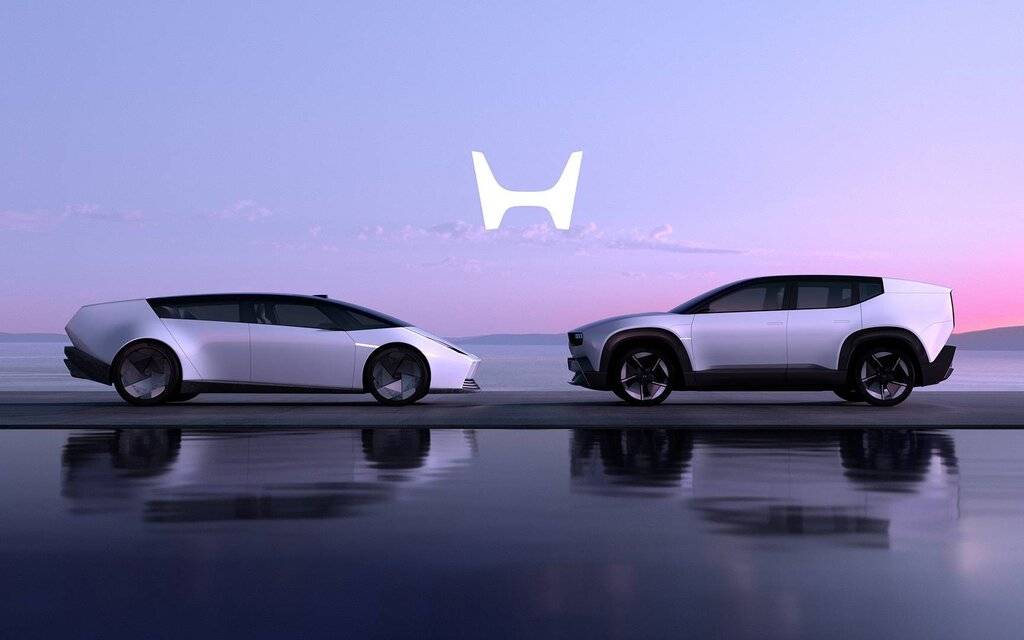
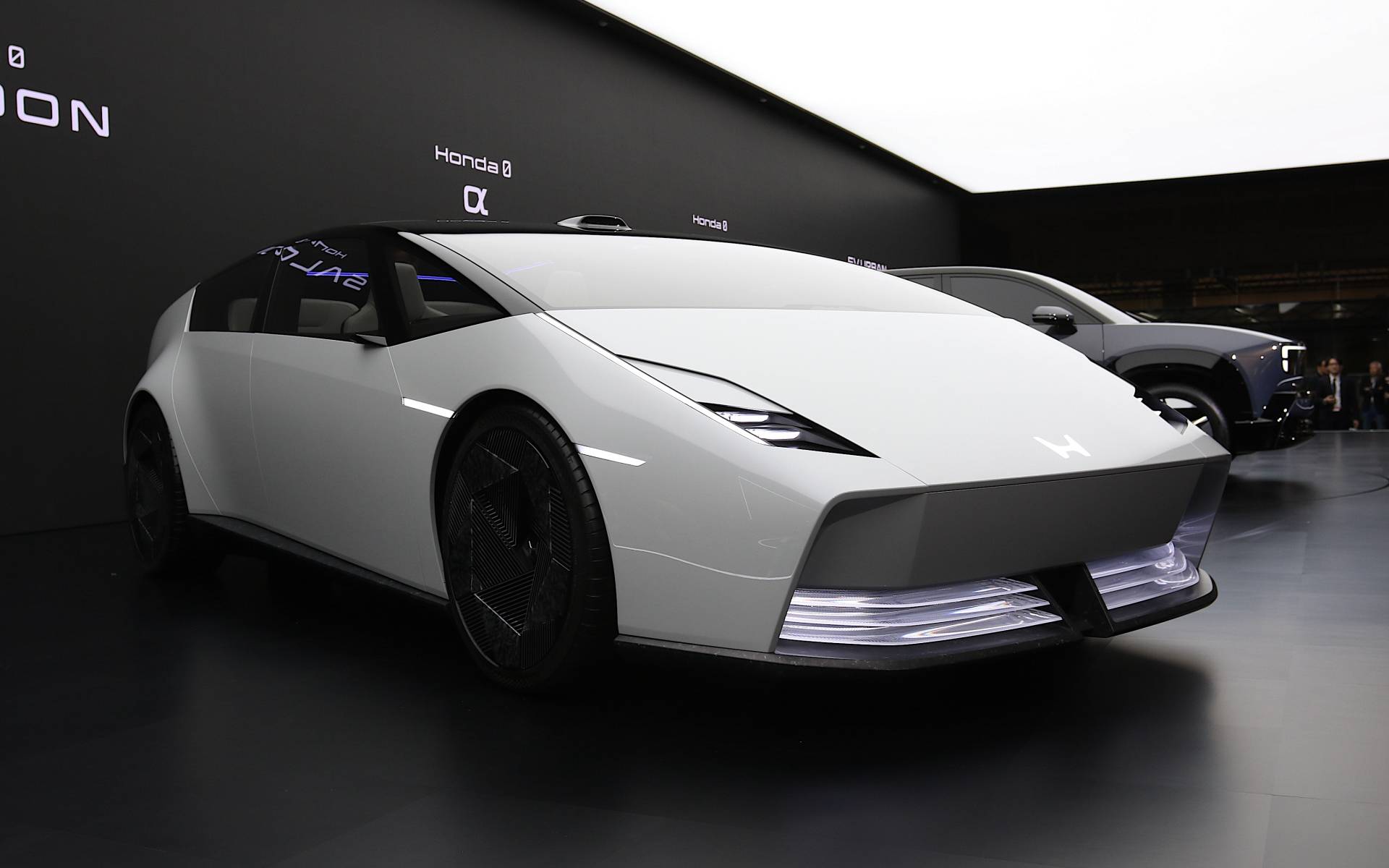
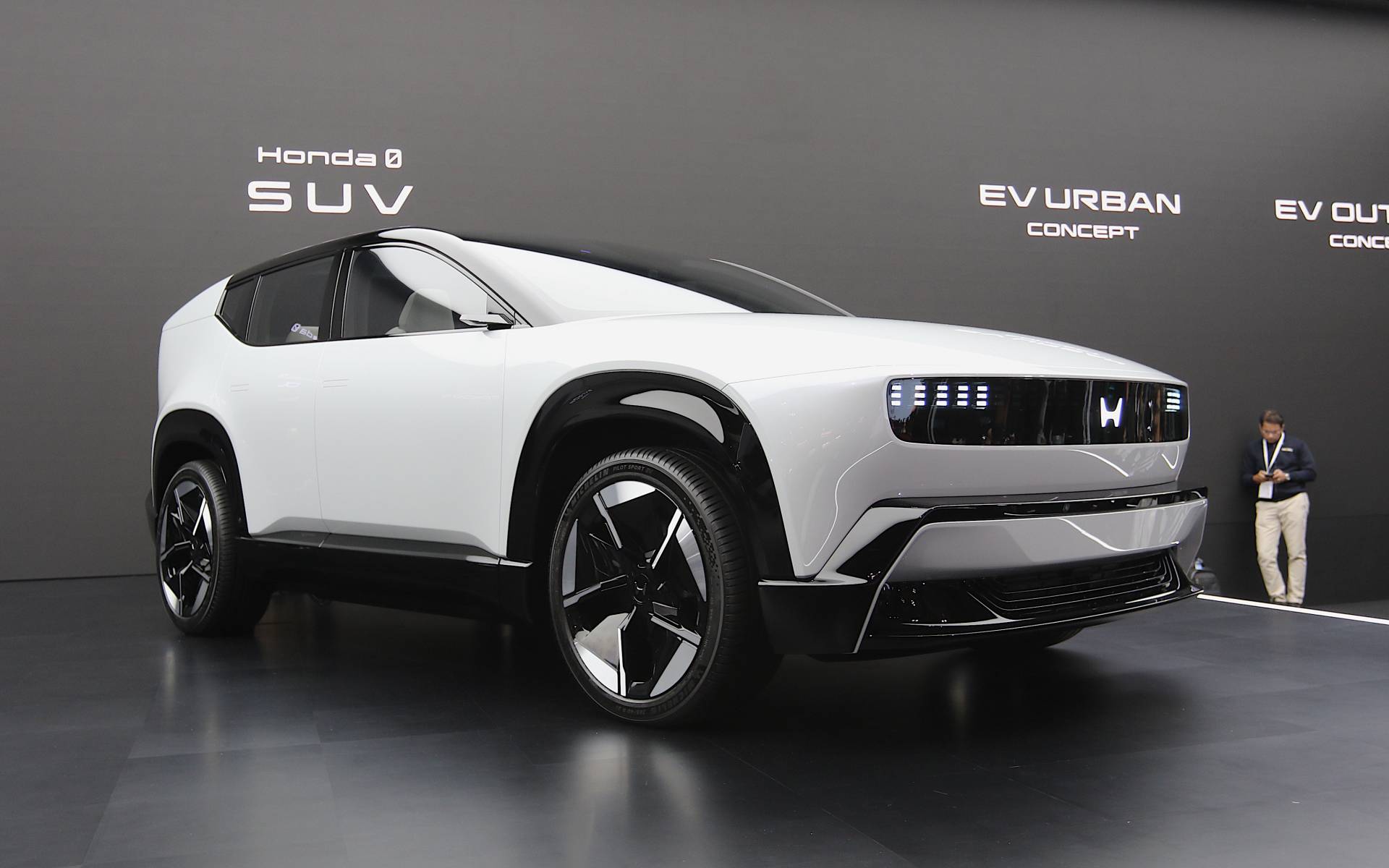
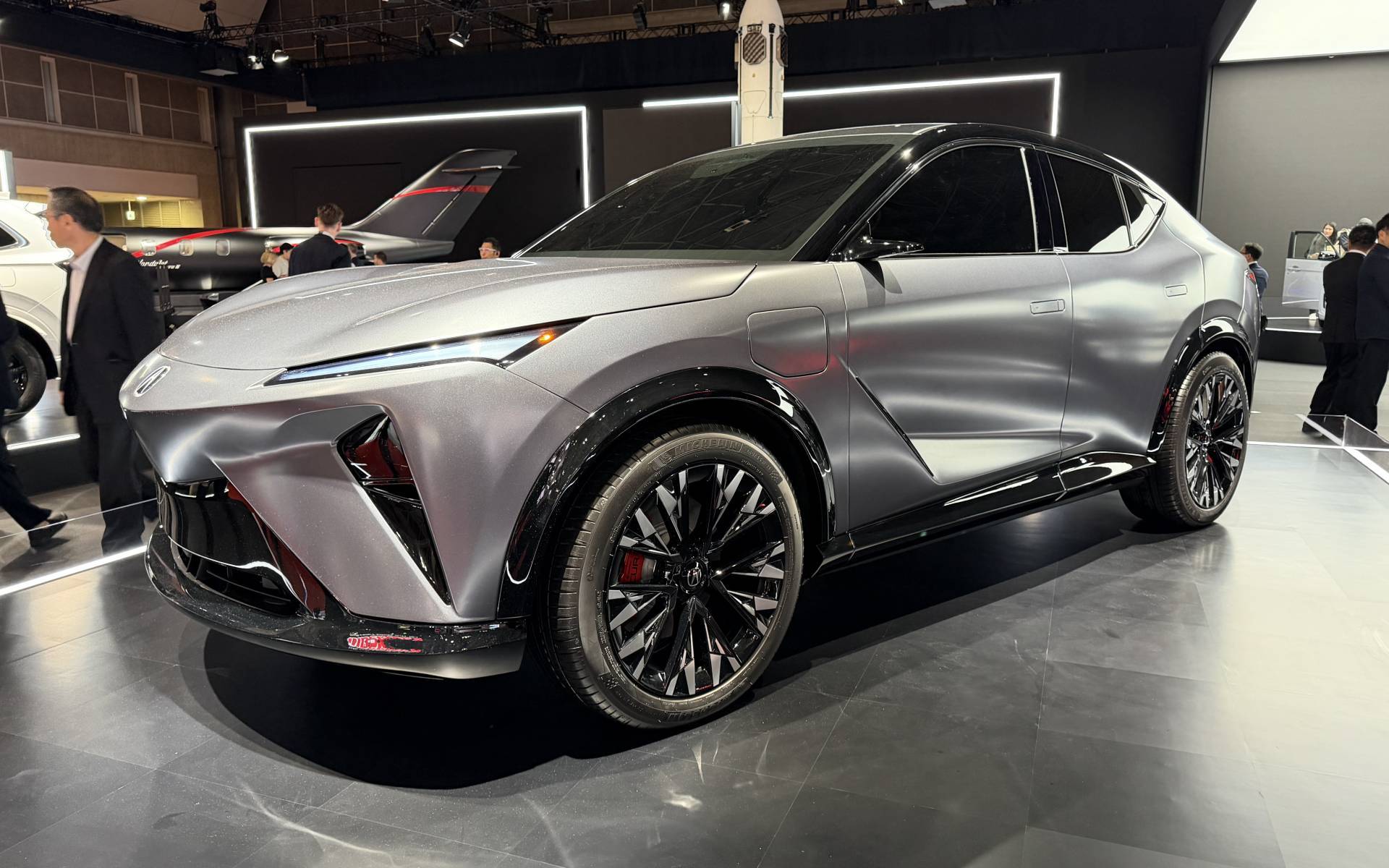
At that time, Honda was clinging to its upcoming next-generation electric vehicles, more specifically a sedan and SUV from the “Honda 0” series as well as the Acura RSX luxury crossover, based on a new platform designed entirely in-house and slated to be built at a huge, state-of-the-art production hub in Ohio.
However, in a shocking twist, with financial difficulties mounting, the company announced a few weeks ago that it would cancel the development and market launch of these three North American-bound EVs. “Honda determined that starting production and sales of these three models in current business environment where the demand for EVs is declining significantly would likely result in further losses over the long term,” the automaker said.
Inevitably, the Sony Honda Mobility joint venture is also biting the dust including the Afeela 1 sedan whose deliveries were set to begin later in 2026 in California, followed by the Afeela SUV.
What’s left now? Only the Honda Prologue which, just like the ZDX, was designed and is manufactured with the help of GM. The Prologue returns without any significant changes for 2026, and it faces an uncertain future as production is not reaching anticipated volumes. As for the plan to build four EV and battery factories in Ontario, it may very well never come to fruition.
As you can see, Honda’s electric dream has completely turned into a nightmare. The foreseeable future will instead involve hybrids. Indeed, Honda will now reallocate its resources and strengthen its lineup by launching next-generation hybrids starting in 2027. That is, if all goes according to plan…