5 Cars and SUVs That Lived For Just One Model Year

The automotive industry has produced a number of legends, but also some flashes in the pan. On one hand, we have iconic vehicles that span decades, while on the other hand, we remember models that burst onto the scene and disappeared almost immediately including some one-year wonders.
A few have gone on to become collector cars. Others were good products in their own right, but simply didn’t have the time to shine, for various reasons. Want examples? Let’s take a look at five of them.
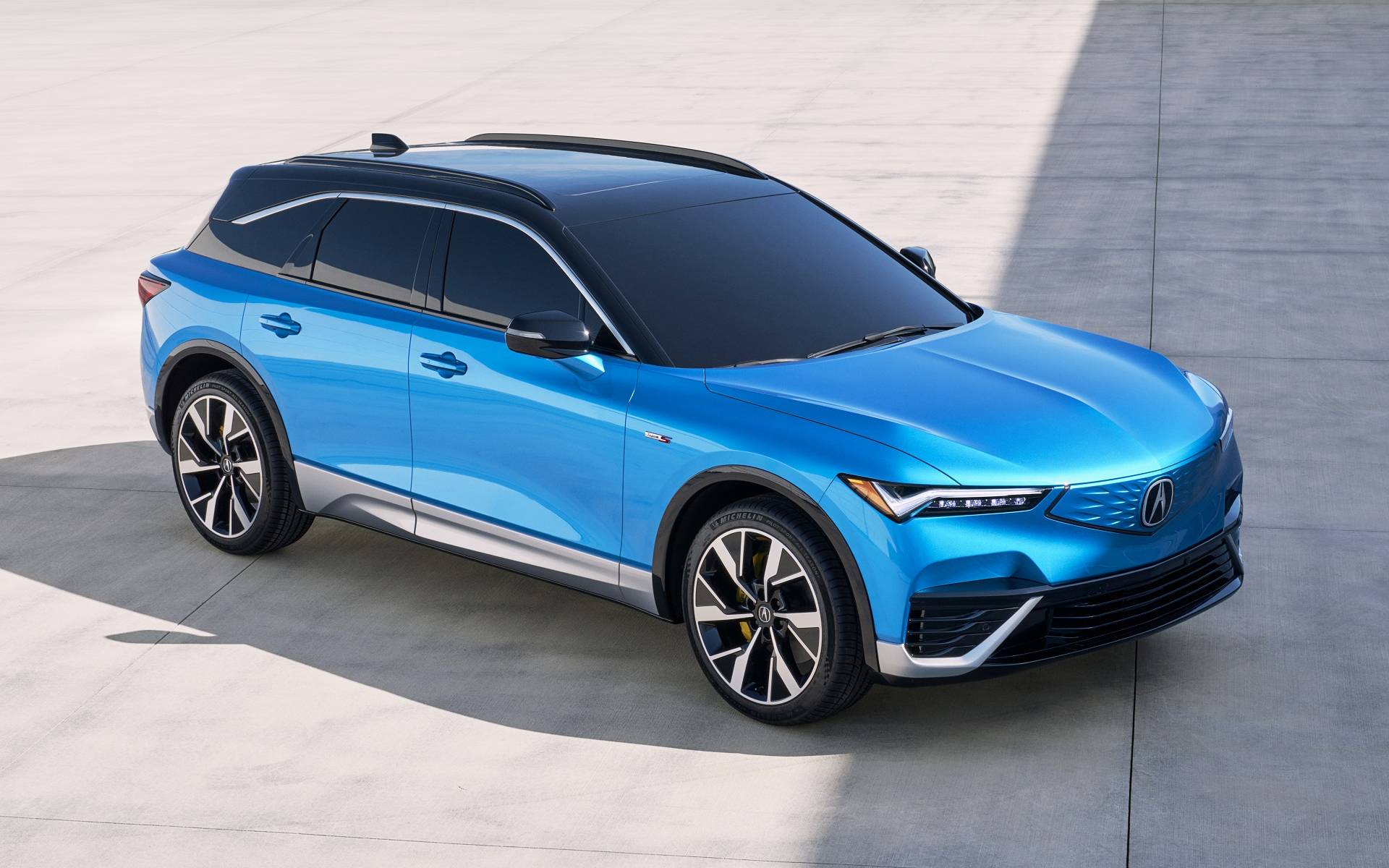
Acura ZDX (2024)
Unlike the MDX-based, coupe-style crossover from the early 2010s, the second-generation ZDX was an all-electric vehicle built on the Ultium architecture developed by General Motors, making it closely related to the Cadillac Lyriq. The lineup included an entry-level A-Spec model with 490 horsepower and a sportier, more performance-oriented Type S model with 500 horsepower. Maximum range was 489 and 447 km, respectively. Alas, weaker-than-expected demand for electric vehicles, along with the end of the $7,500 federal tax credit in the U.S., forced Acura to cease production in 2025 after just one model year.
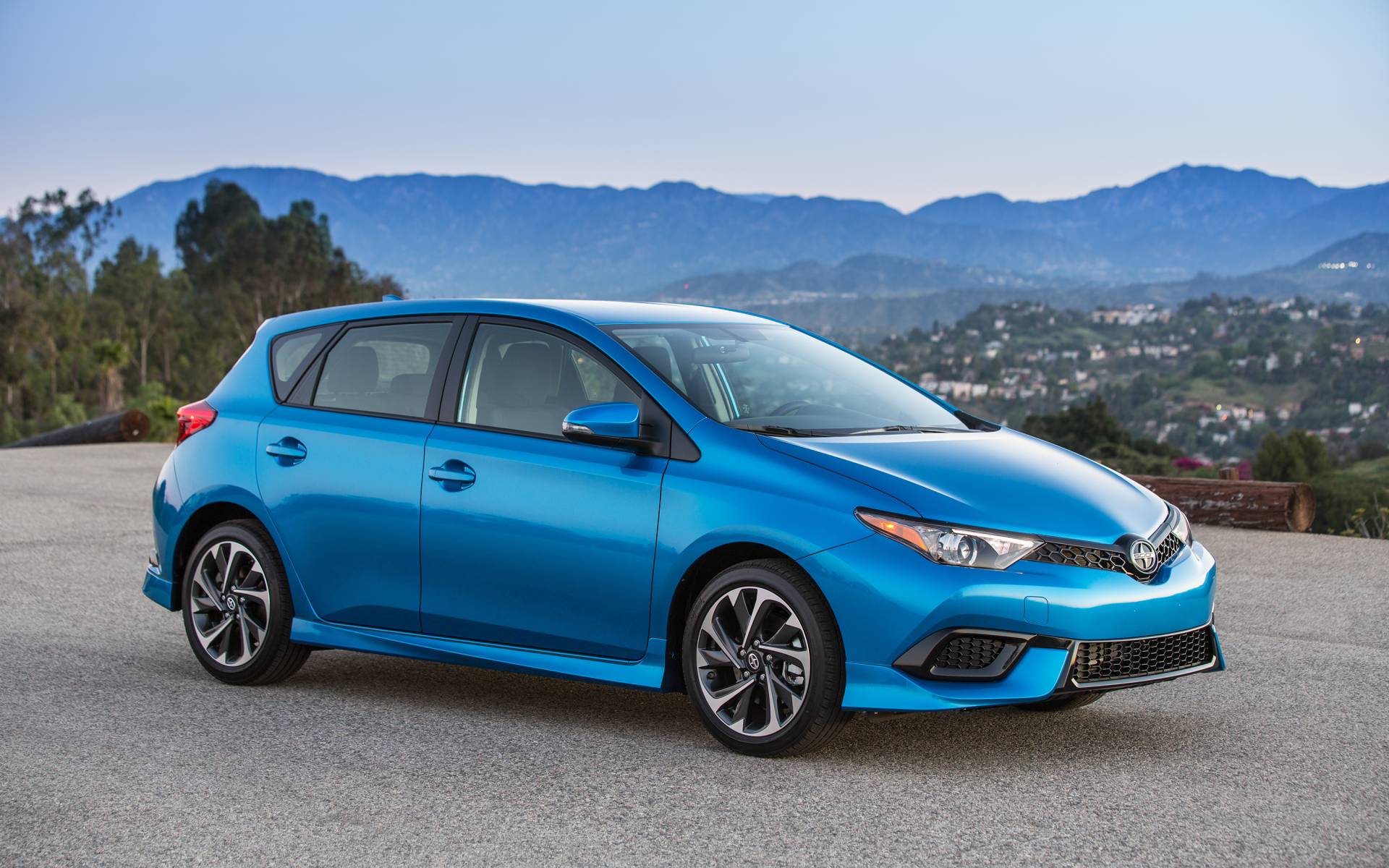
Scion iM (2016)
Created by Toyota to attract younger customers in North America, the Scion brand launched a new hatchback called iM for the 2016 model year. Derived from the Toyota Auris sold in Europe, this compact car stood out with sharp looks, generous content and a compelling base price. The 1.8-litre four-cylinder engine under the hood produced 137 horsepower. Following Scion’s demise, the iM moved to Toyota and became the Corolla iM (2017-2018), positioned alongside the Corolla sedan.
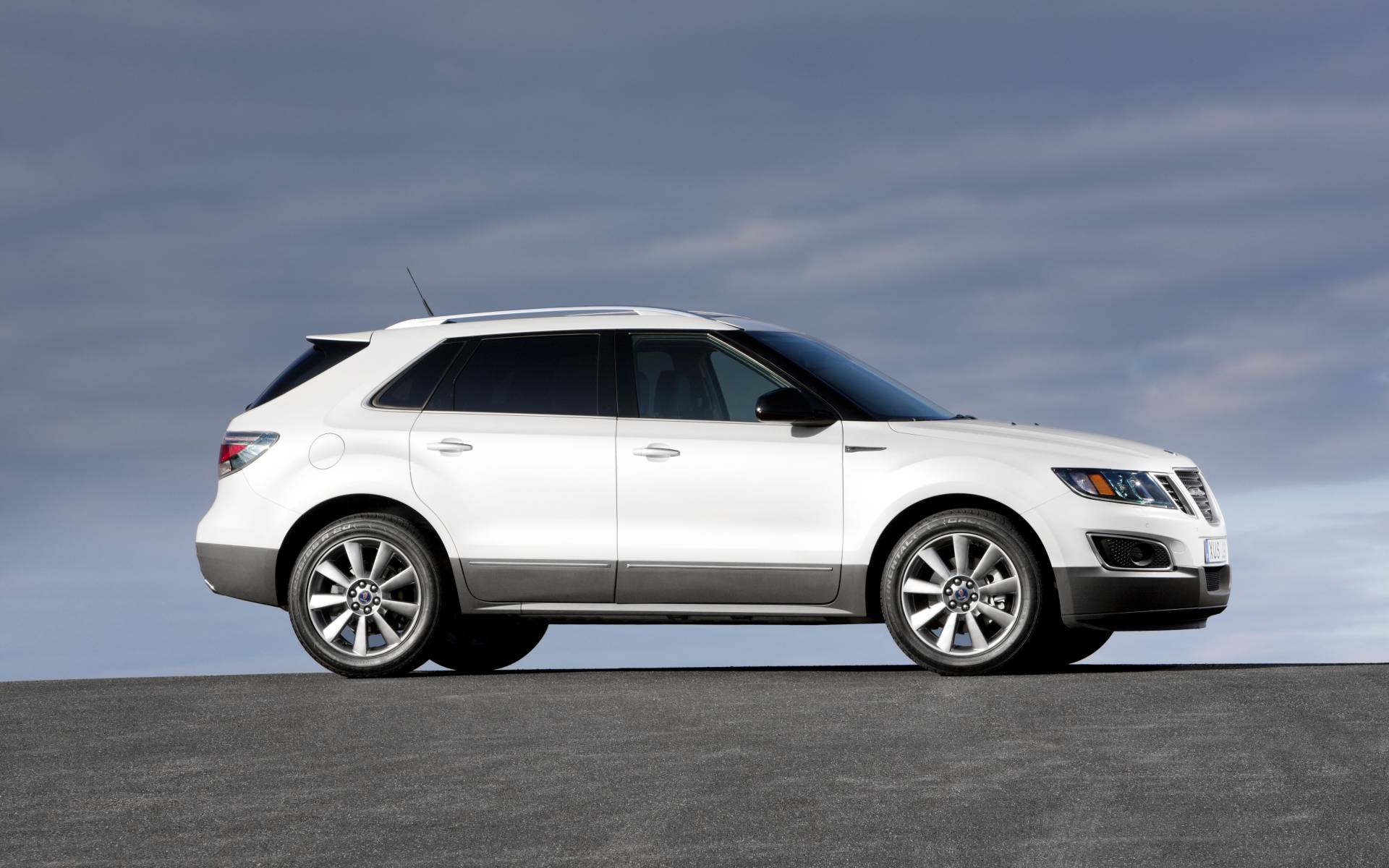
Saab 9-4X (2011)
Former Swedish automaker Saab, which proved relatively popular among Canadian drivers, unveiled a new compact SUV at the 2010 Los Angeles Auto Show. The 9-4X began commercial production in 2011 at GM’s Mexican plant alongside its cousin, the Cadillac SRX. It could be motivated by either a naturally aspirated 3.0-litre V6 producing 265 horsepower or a turbocharged 2.8-litre V6 generating 300 horsepower. The 9-4X’s run ended the same year, as Saab declared bankruptcy under new owner Spyker Cars N.V.
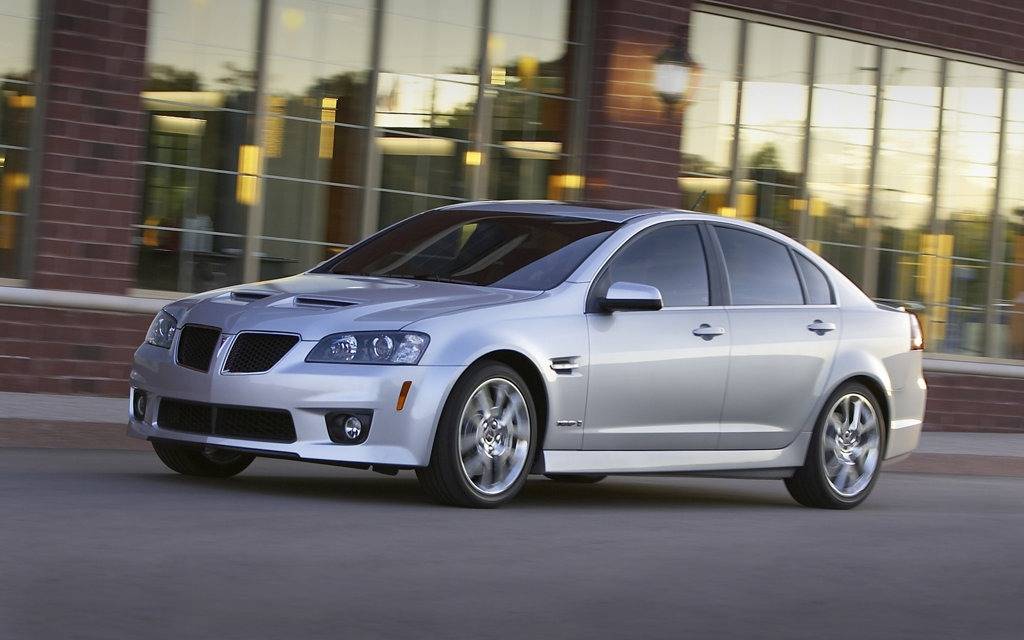
Pontiac G8 (2009)
A successor to the Grand Prix, the G8 was a midsize sedan directly derived from Australia’s Holden Commodore. It was also Pontiac’s largest car at the time and the only one with rear-wheel drive. The 3.6-litre V6 engine, producing 256 horsepower, could be upgraded to a 6.0-litre V8 boosting output to 361 horsepower. Performance enthusiasts loved it. However, Pontiac got the axe as part of GM’s restructuring in 2009, so the G8 was only available for one model year in Canada.
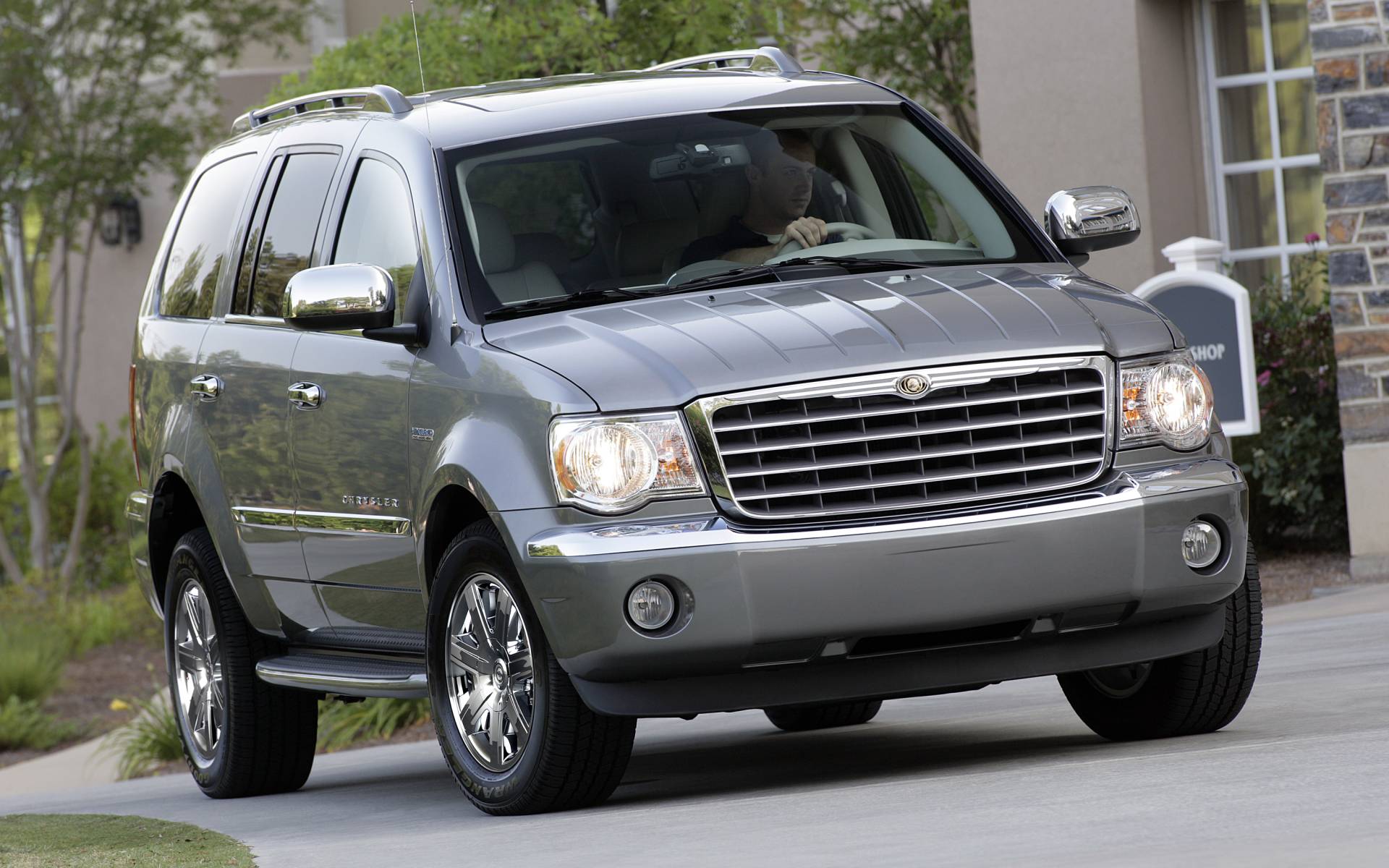
Chrysler Aspen Hybrid (2009)
The Chrysler Aspen was essentially a more stylish Dodge Durango. Initially offered with a 5.7-litre HEMI V8 producing 335 horsepower, it added an electrified variant in its second year to address the rising gas prices at the time. The Aspen Hybrid was a bulky and brawny SUV (385 horsepower) that paired the V8 with two electric motors. According to the company, it offered fuel savings of approximately 25% in combined city-highway driving. However, few people bought one, and the Aspen was soon discontinued.