Toyota Highlander Goes Fully Electric: Good Move or Bad Move?

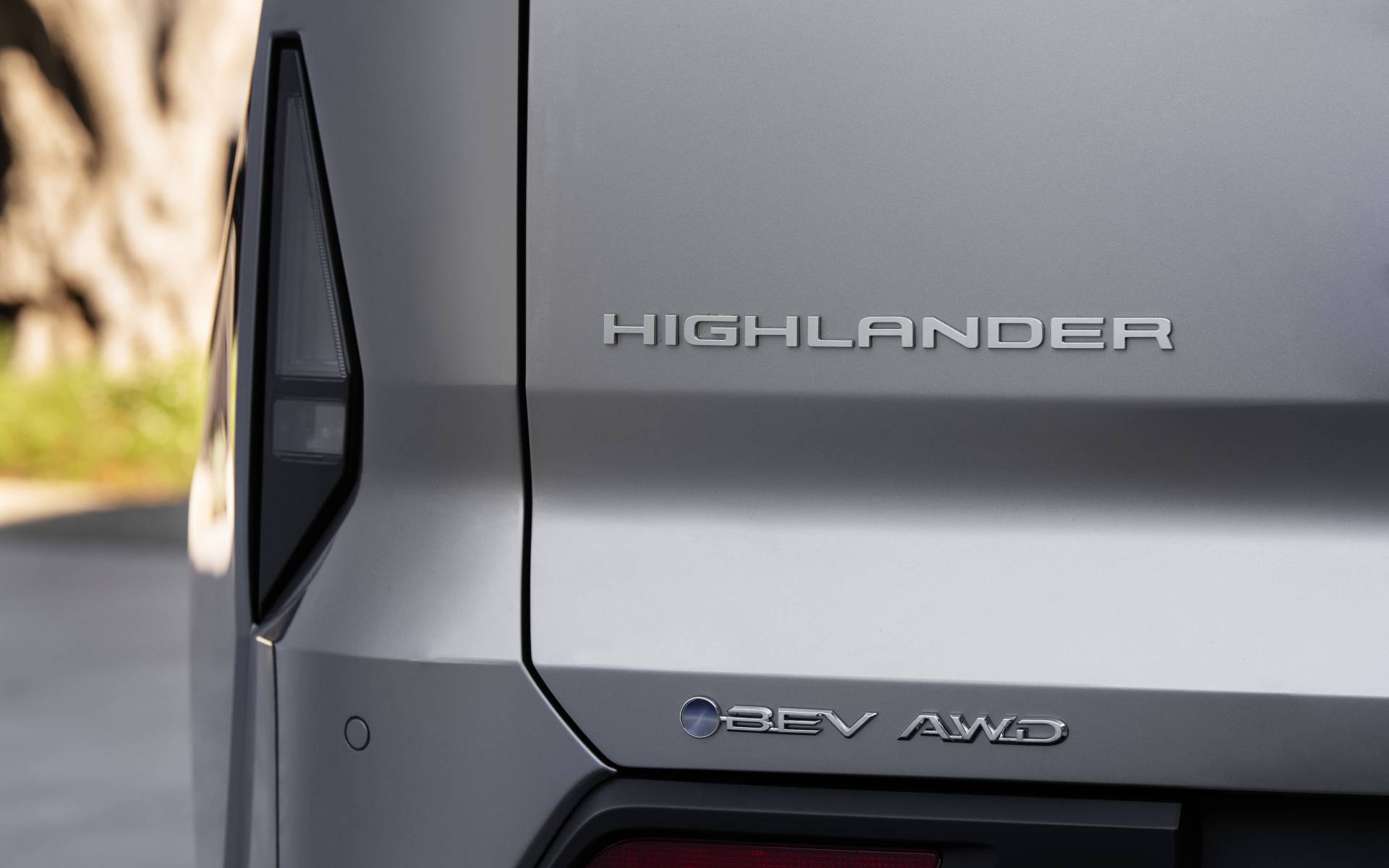
Toyota has finally introduced its first three-row electric vehicle to compete with the likes of the Kia EV9 and Hyundai IONIQ 9. To the surprise of many, it’s not called bZ5X or anything like that, but rather Highlander. Yes, just like the gasoline-powered SUV that has been a favourite with North American families for 25 years. This all-new 2027 model actually marks the beginning of the fifth generation of the Highlander.
Is it a good move or a bad move by Toyota? Probably the former, if you ask us. Since the launch of the more spacious and more advanced Grand Highlander three years ago, sales of the regular Highlander have plummeted. Furthermore, Toyota’s SUV lineup has changed considerably of late, including the return of the Land Cruiser, the addition of the all-new Crown Signia with a hybrid powertrain and the complete redesign of the 4Runner (with an optional hybrid powertrain), so the Highlander needed to find a way to refresh itself and stand out or risk becoming irrelevant.
Distinctive and tech-focused
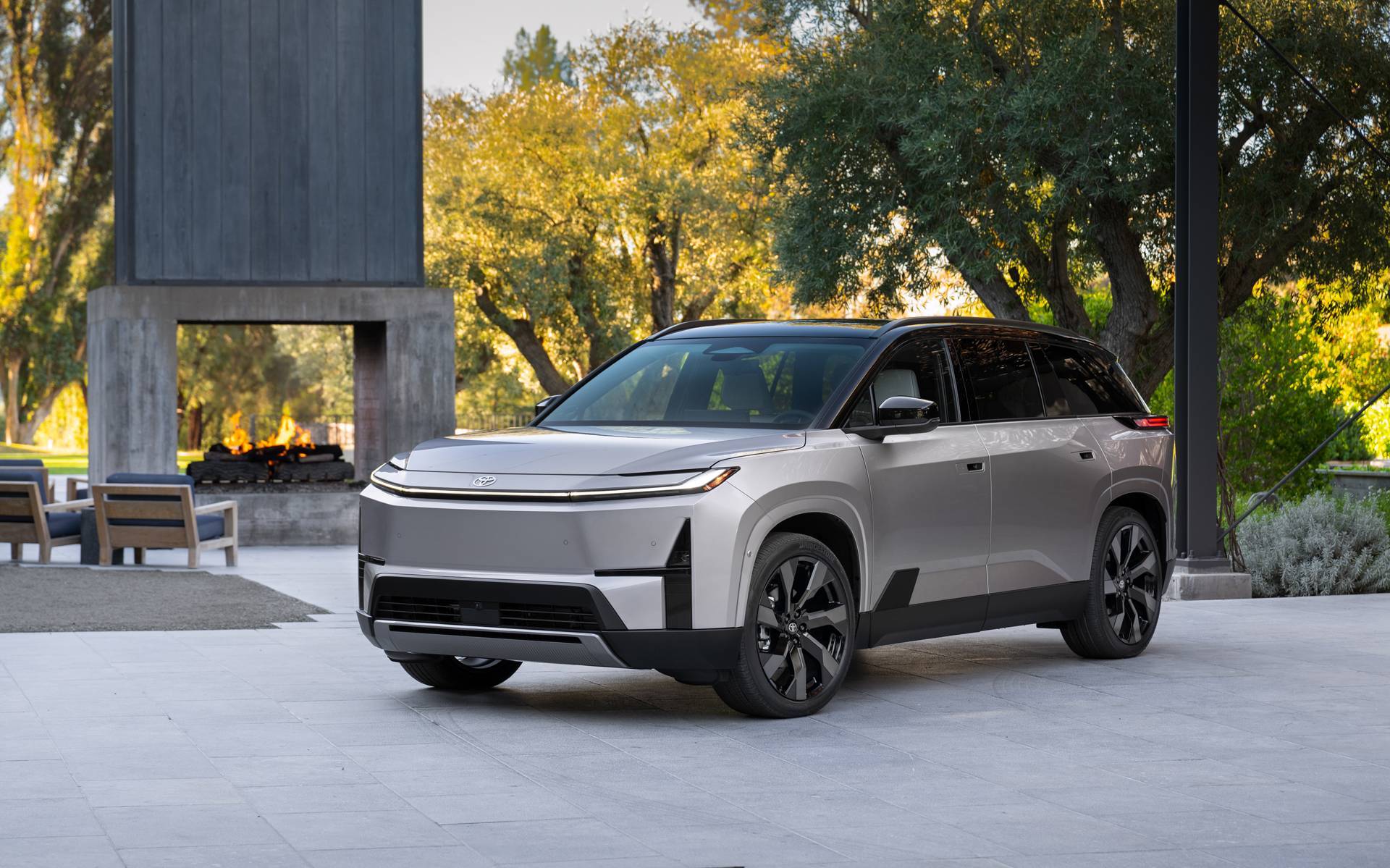
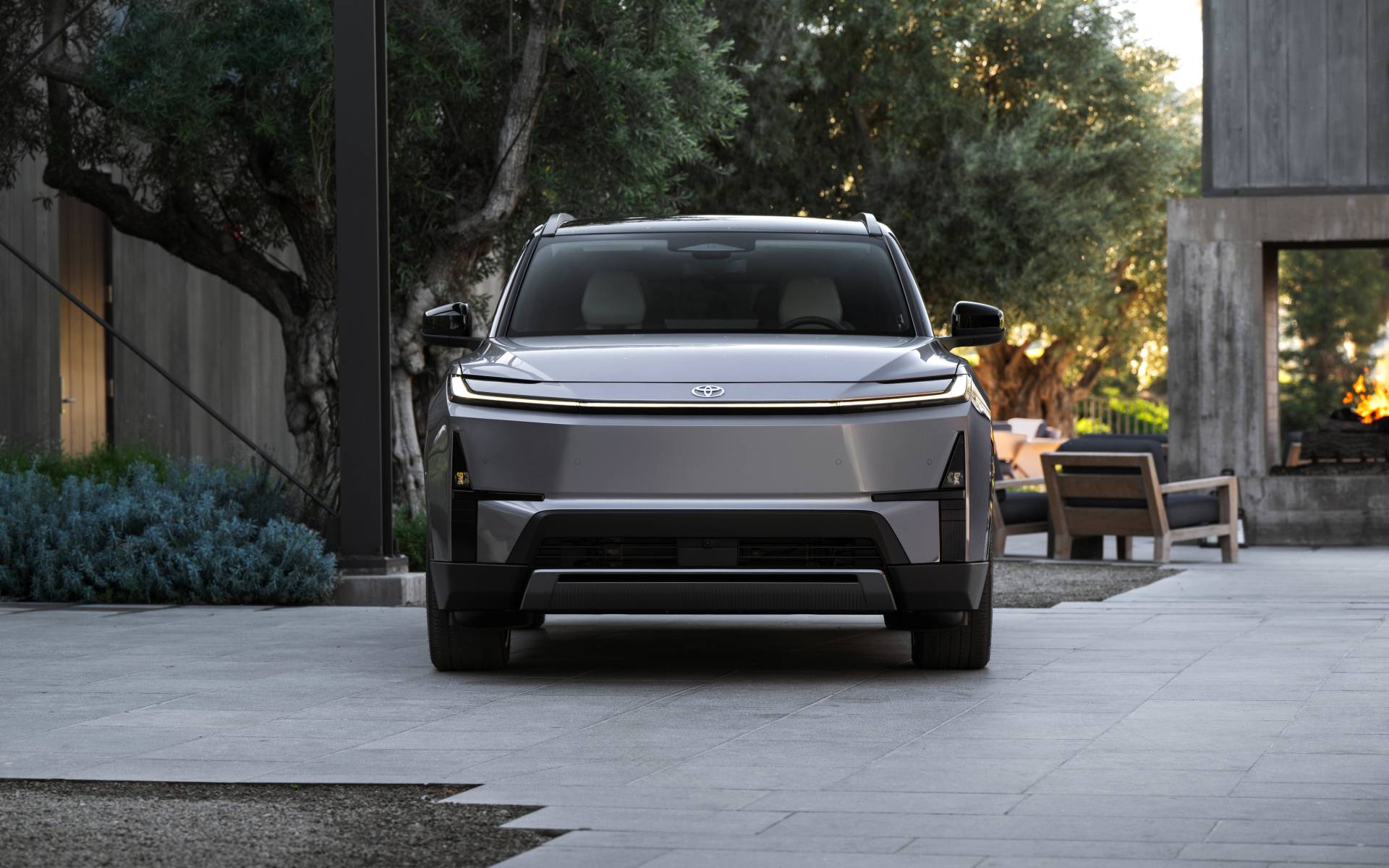
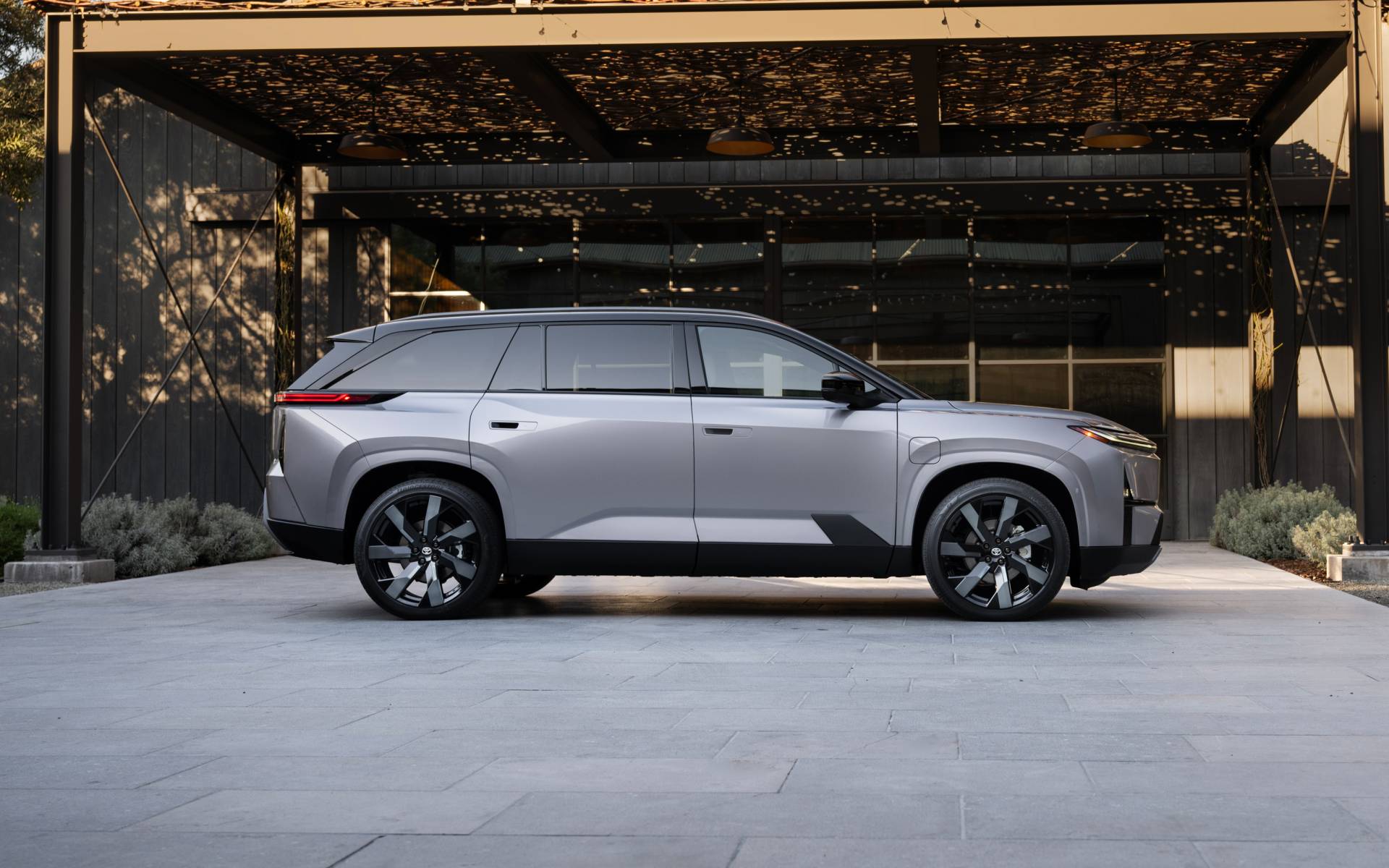
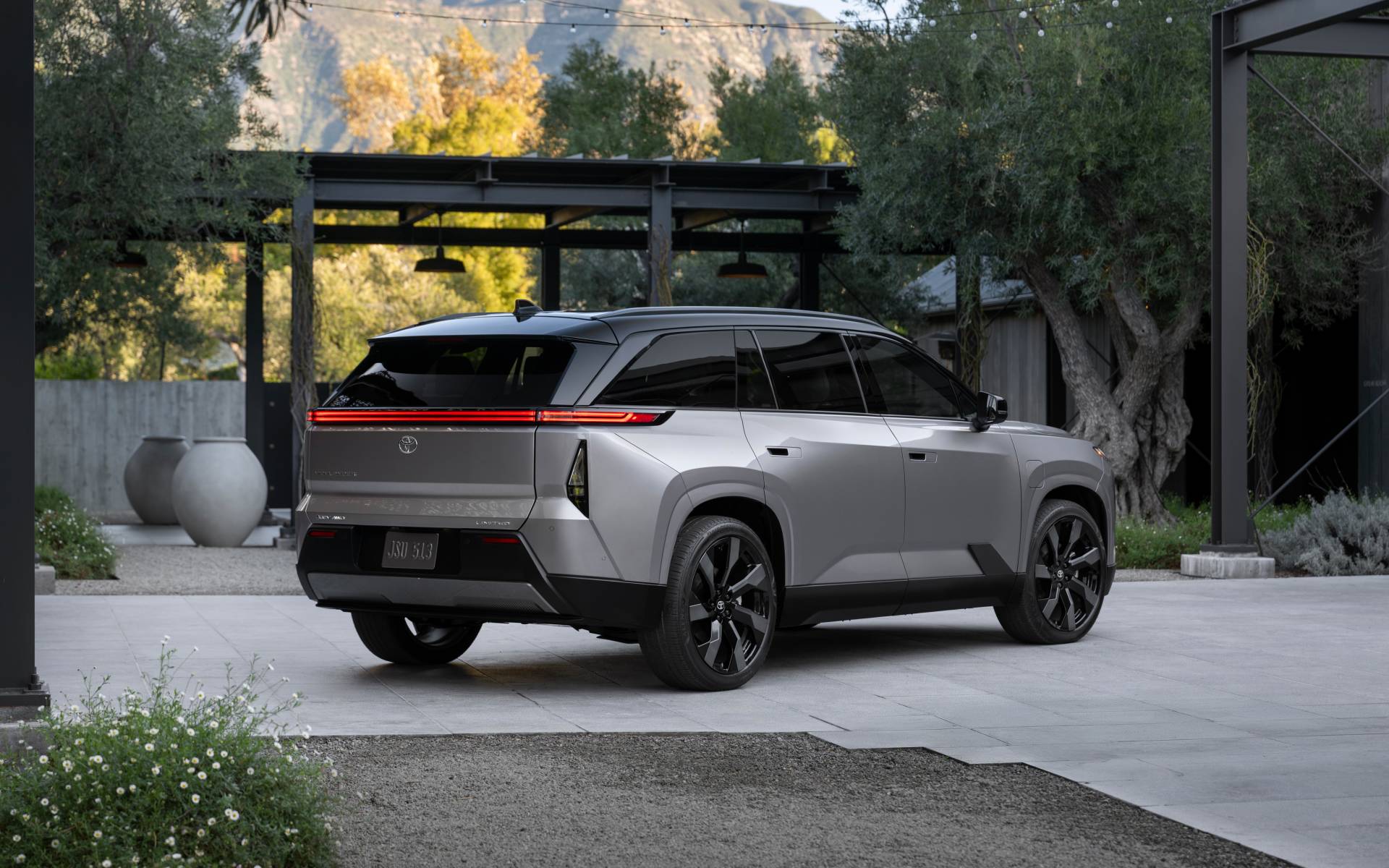
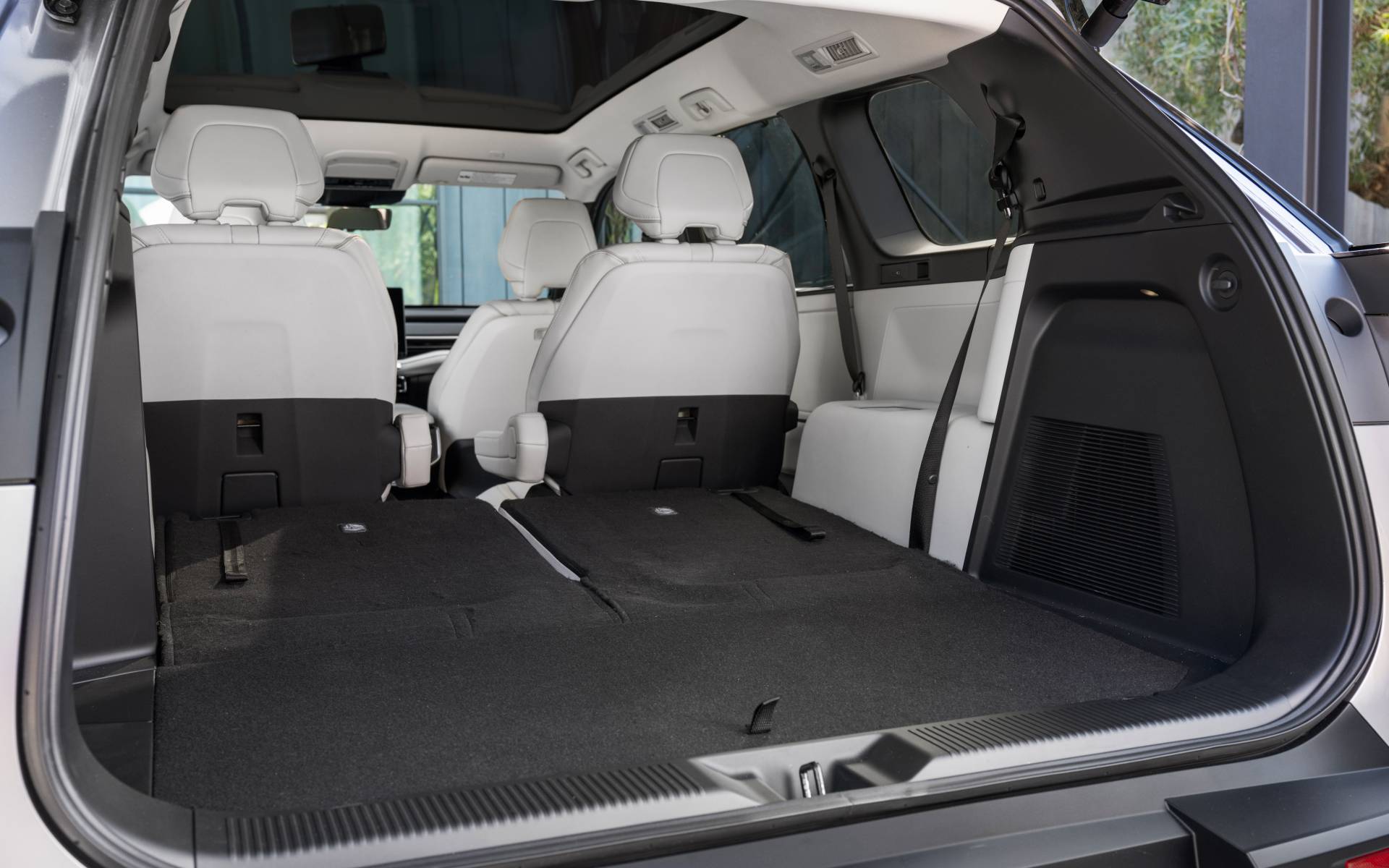
First of all, when it comes to styling, the new Highlander sports a distinctive look that features clean lines, broad fenders and full-width LED daytime running lights. It will also have an available fixed glass panoramic roof that will be the largest in the Toyota lineup, adding an open, bright feeling to the cabin.
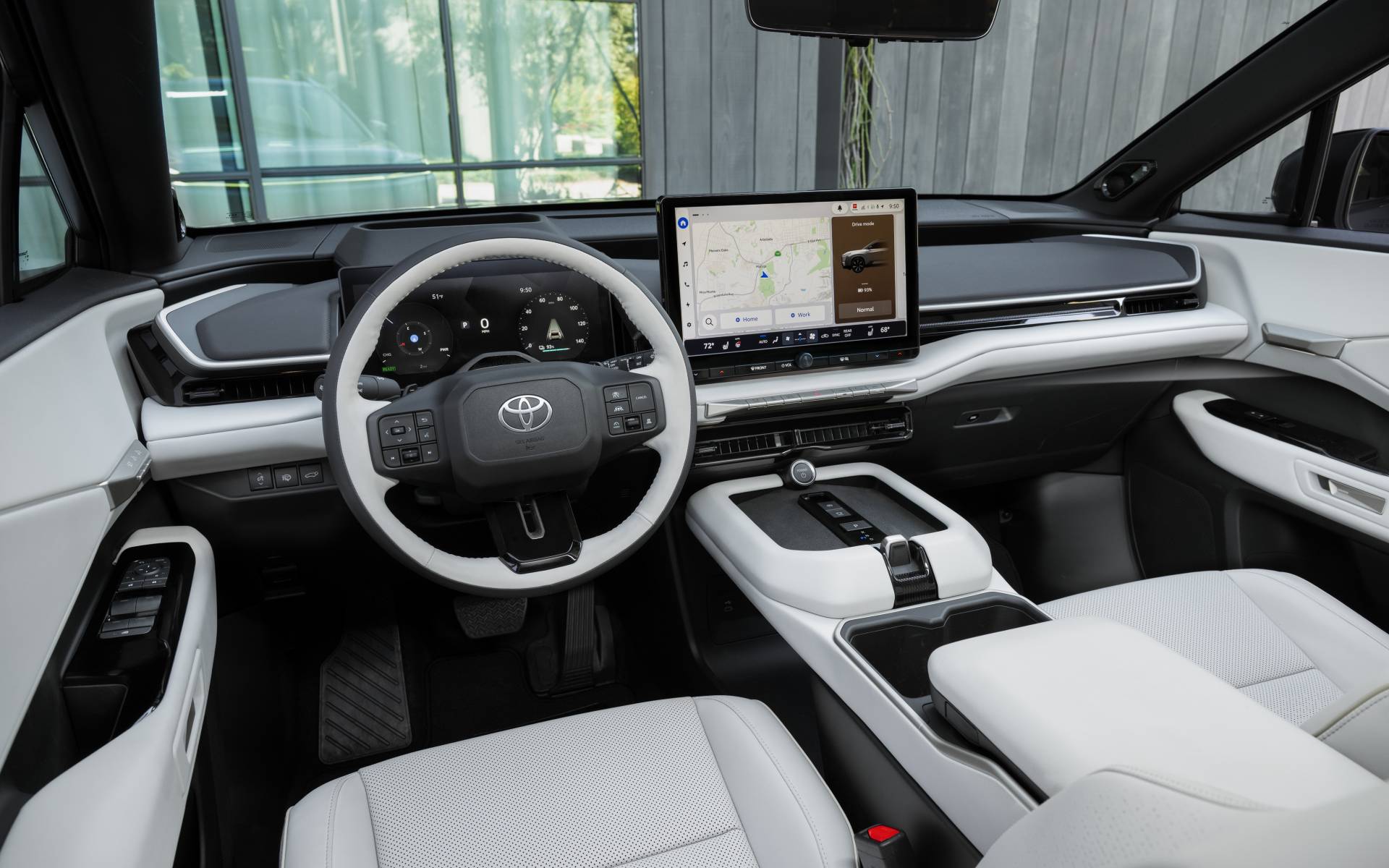
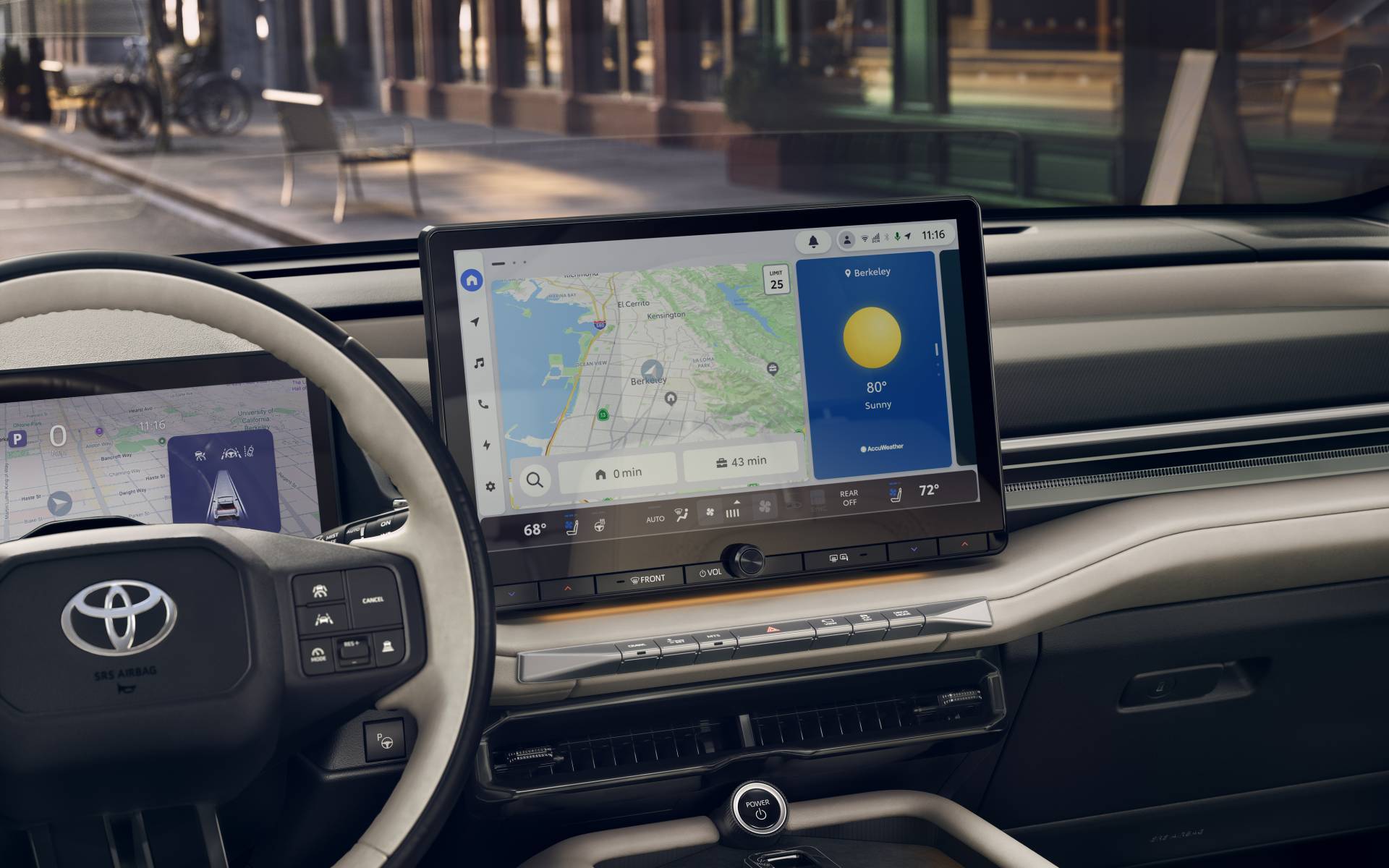
Inside, the tech-forward cabin boasts a large 14-inch touchscreen powered by Toyota’s latest multimedia system, a 12.3-inch driver’s display, customizable ambient lighting and ample device charging in every row. The new Highlander can also serve as a mobile power source with vehicle-to-load (V2L) technology—a first for a Toyota model sold in North America—which is great as a backup in case of an outage at home or to power a tailgate party at a football game.
Up to 511 km of range
In Canada, the 2027 Highlander will be available in three models: XLE, XLE Premium and Limited. The XLE will be offered in FWD or AWD configuration and with a 77kWh or 95.8kWh battery, resulting in a maximum range of 431 to 511 km according to Toyota’s estimates—putting it right between the IONIQ 9 and EV9. The other two models will come standard with AWD and the larger battery and have the ability to travel up to an estimated 473 km.
We shouldn’t expect many customers to choose the base XLE FWD model, whose single motor delivers a mere 221 horsepower and 198 lb-ft of torque. That’s hardly enough to move a large family and their cargo. Adding a second motor increases those figures to 338 horsepower and 323 lb-ft, which is much more satisfying, while pairing with a multi-terrain selector and crawl control for off-road driving. Incidentally, all models will come standard with Toyota Safety Sense 4.0, the most comprehensive suite of advanced safety features to date.
As for charging, the NACS port will provide direct access to thousands of Tesla Superchargers across North America. At the fastest stations, the battery can be charged from 10-80% in about 30 minutes, according to the company. Of course, this applies under ideal conditions. And here’s some good news: a battery preconditioning feature is also standard. This system is designed to warm the battery to an optimal temperature, thus enabling faster charging.
Built in Georgetown, Kentucky, the 2027 Toyota Highlander will arrive at dealerships in late 2026 and early 2027. It will join the bZ, bZ Woodland and C-HR as Toyota’s fourth all-electric vehicle. Including existing hybrid models, no other automaker will offer more electrified vehicles. What more can be said than bravo?