Meet Hyundai’s Latest Innovation and Motivation: Robots

The Consumer Electronics Show (CES), held every January in Las Vegas, gives automakers the opportunity to showcase new vehicles with cutting-edge technologies. For the 2026 edition, however, things were rather quiet in this area. Robots stole the show… especially Hyundai’s!
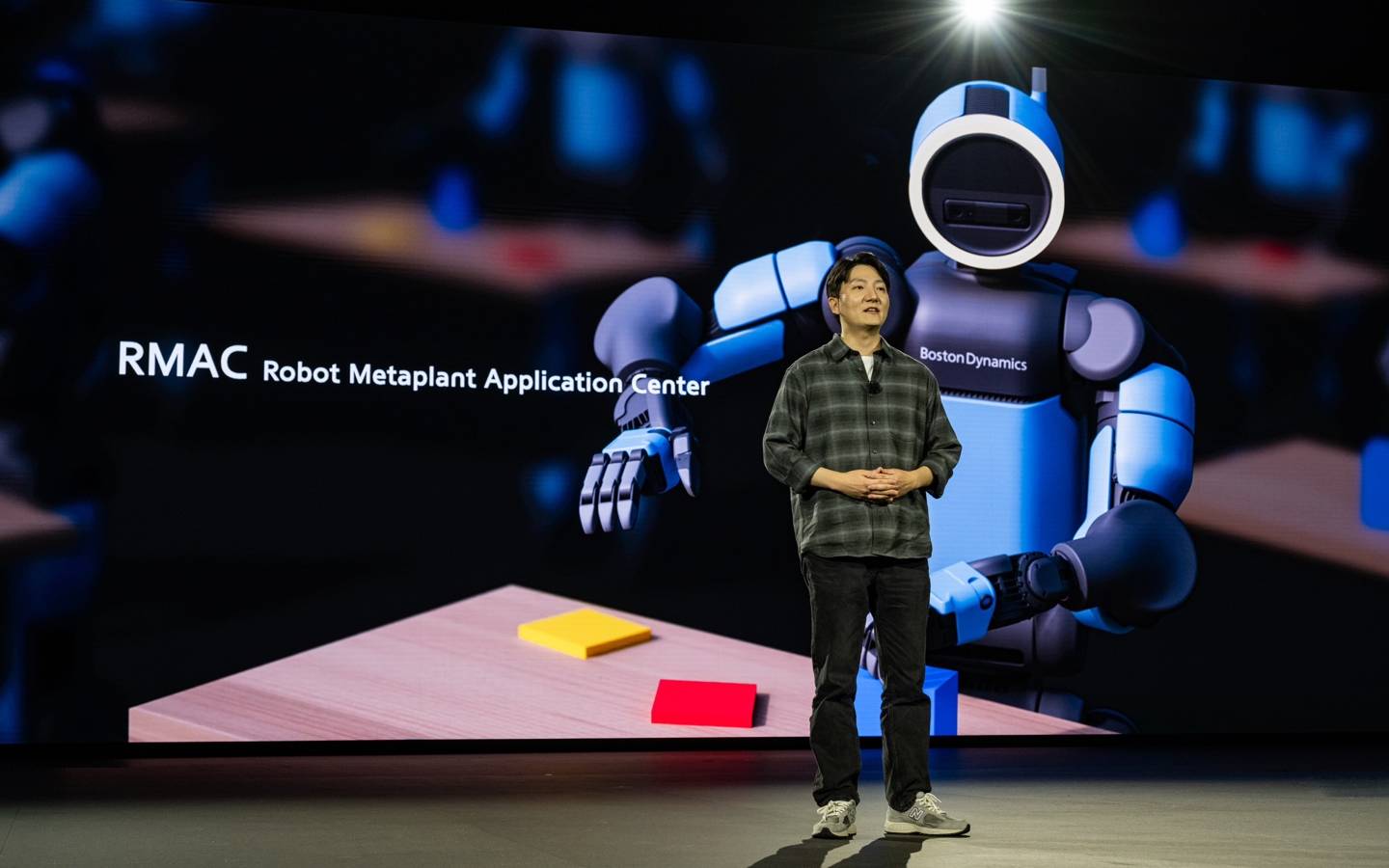
The Korean giant used CES to unveil a new “AI Robotics Strategy.” The goal is to develop and launch a variety of robots to assist and collaborate with humans, initially within the manufacturer’s own factories and logistics/sales operations from 2028, and then, in the longer term, in the everyday lives of people.
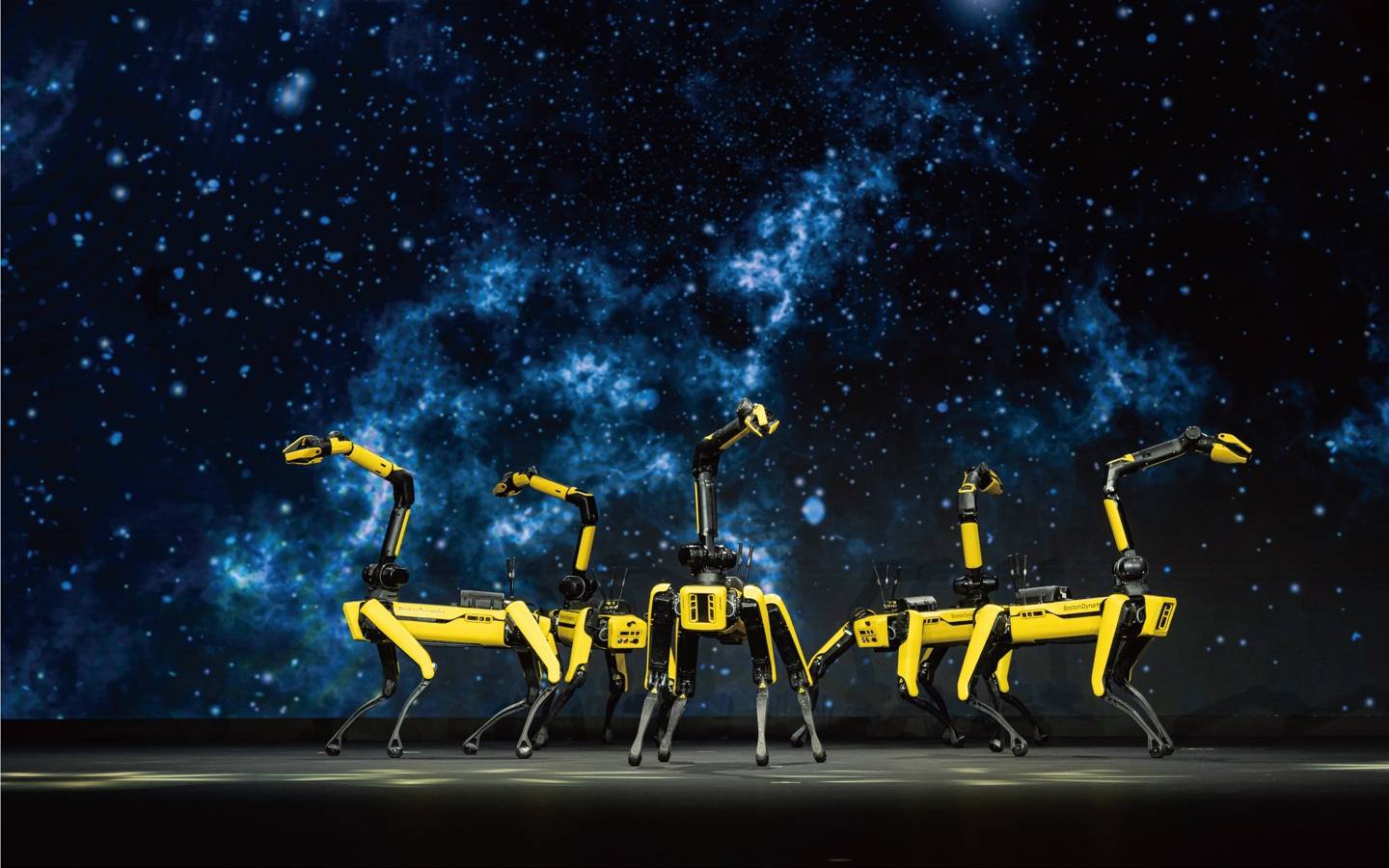
In order to achieve that goal, Hyundai will leverage the expertise of one of its subsidiaries, Boston Dynamics, which has previously designed compact and purpose-built robots such as the Stretch warehouse assistant and the agile quadruped known as Spot. The latter is currently operational in more than 40 countries worldwide.
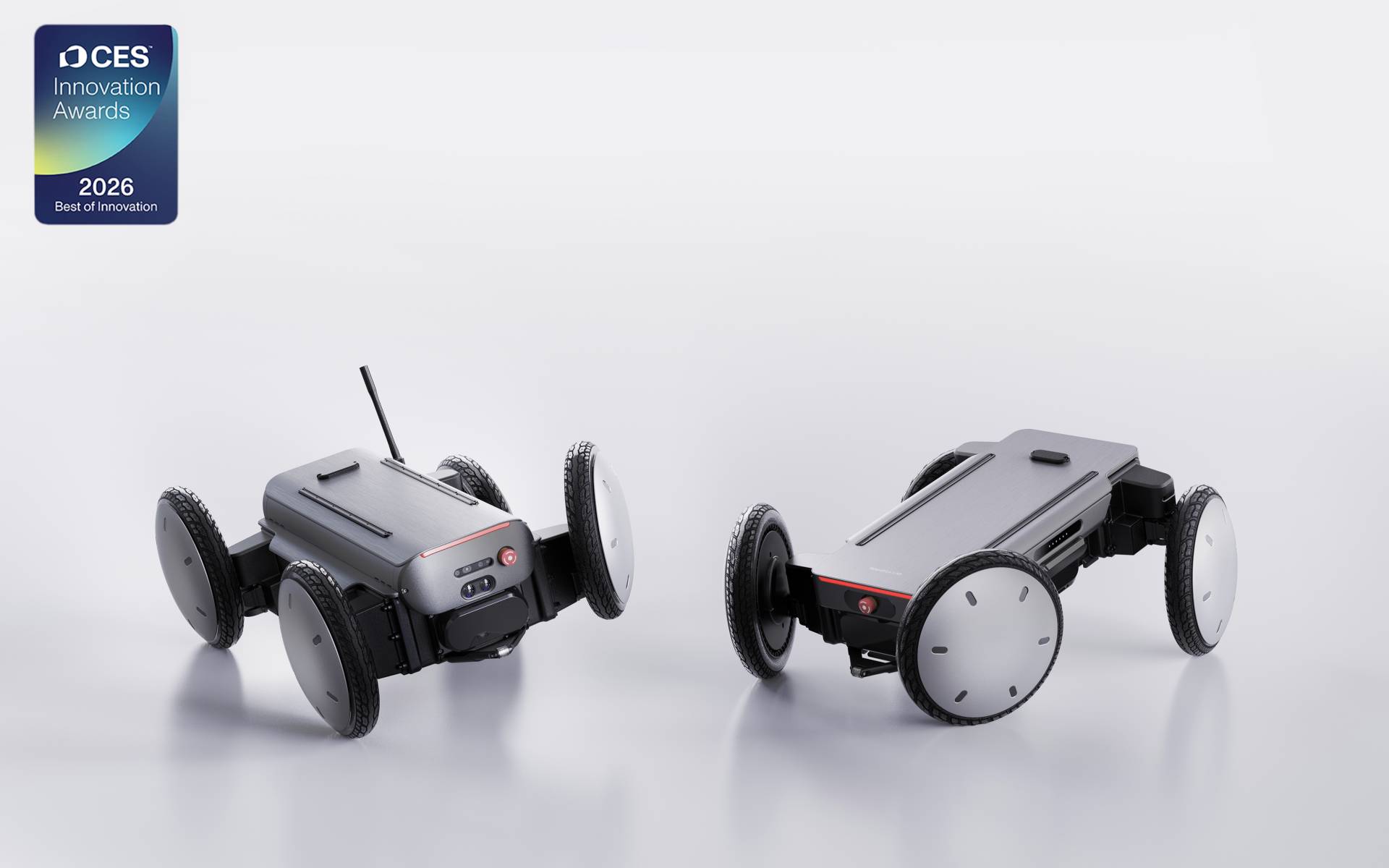
Hyundai’s Robotics LAB, meanwhile, has developed a small, highly versatile, four-wheeled robot called MobED (Mobile Eccentric Droid) that can operate across various terrains and adapt to diverse industrial and daily applications. The Basic model is controller-operated, while the Pro model harnesses advanced autonomous capabilities powered by integrated LiDAR-camera fusion sensors. MobED was good enough to win the Best of Innovation Award in Robotics at CES 2026.
Optimus Meets Its Match
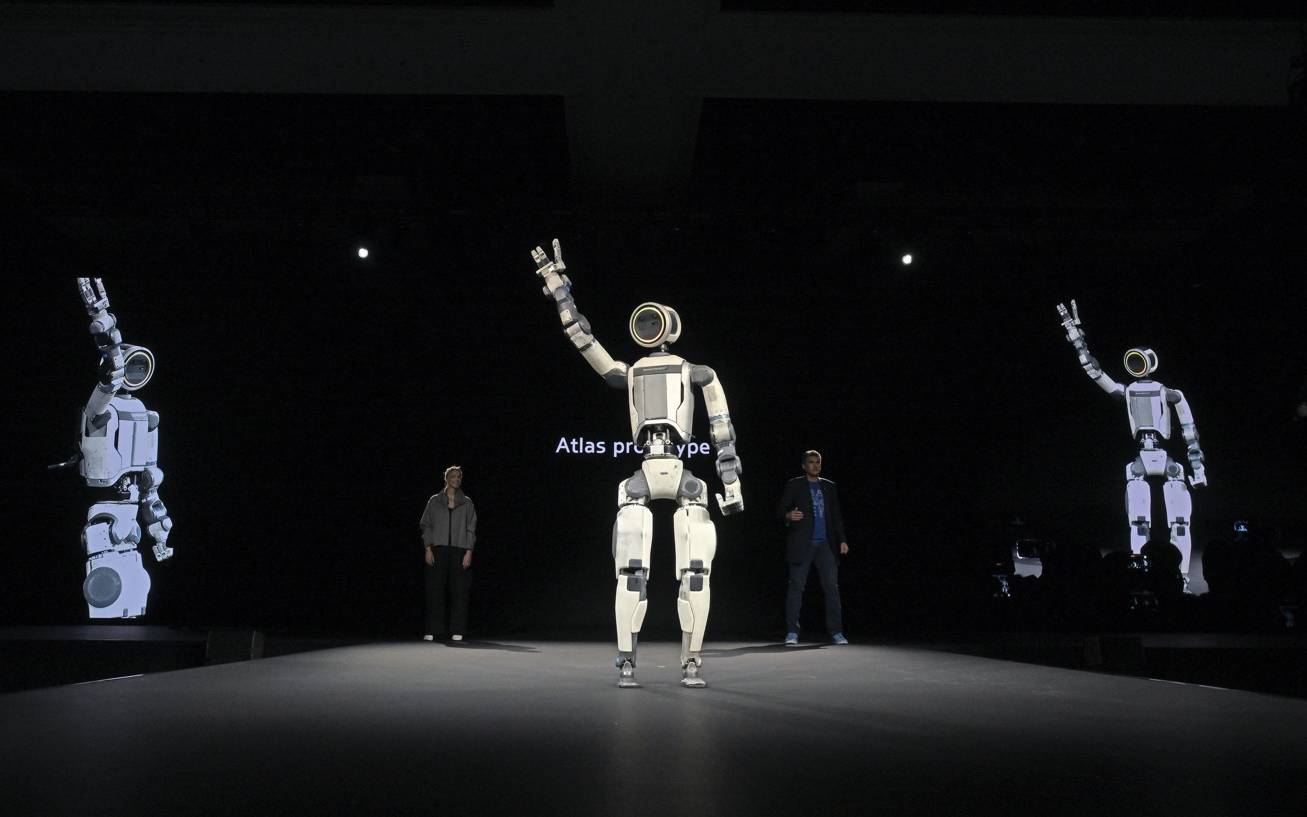
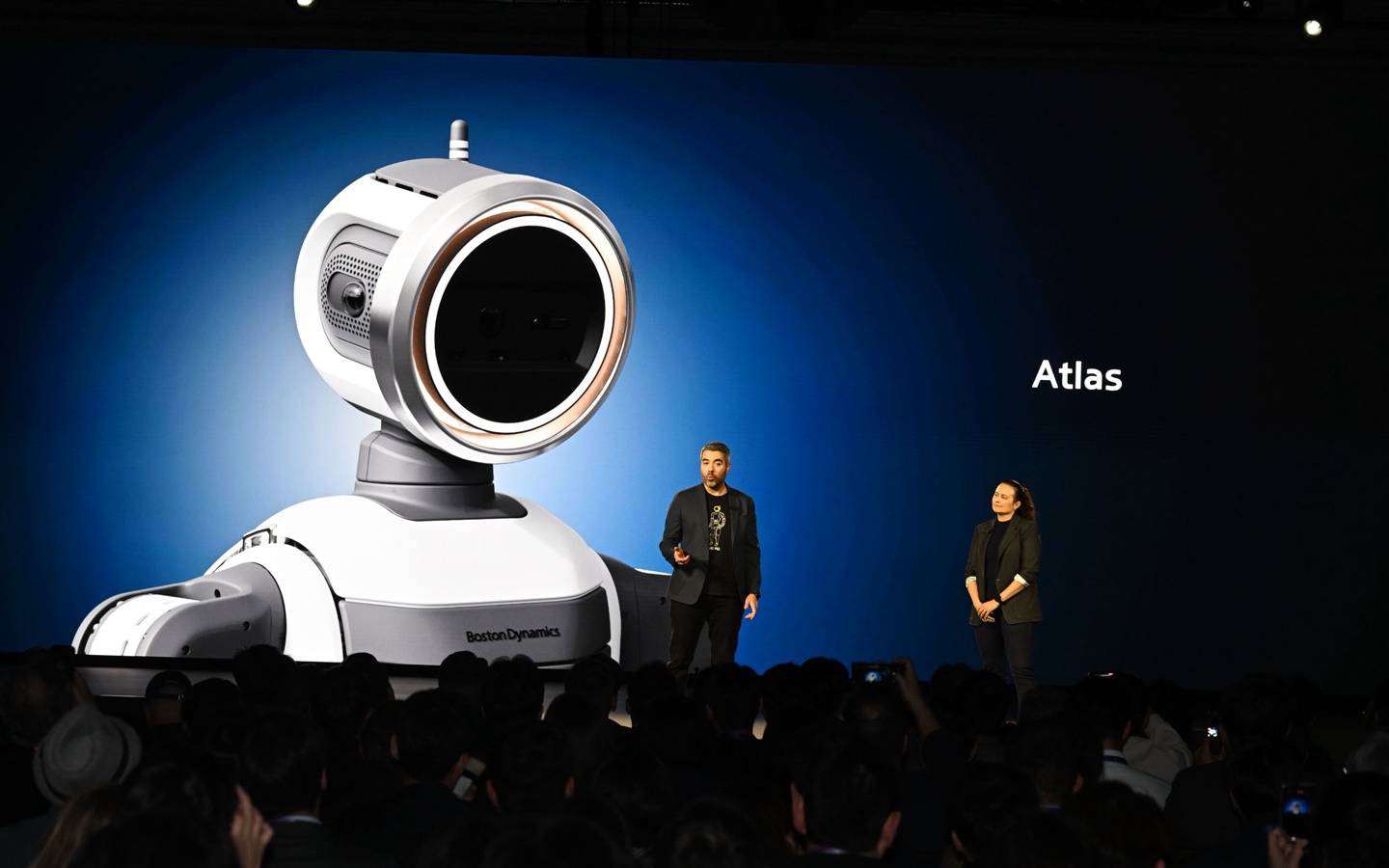
During the same event, Hyundai and Boston Dynamics unveiled Atlas, a humanoid robot powered by artificial intelligence (via Google DeepMind). While it doesn’t have quite the same “human” appearance as Tesla’s Optimus, it seems to be just as advanced.
Equipped with advanced rotational joints and sensors, Atlas can navigate complex industrial environments, perform repetitive tasks and leverage AI-driven learning to adapt to new roles in less than 24 hours. Its mechanical design enables dynamic movement, ensuring it can operate in spaces traditionally suited to humans.
Atlas can operate independently from day one (including automatic battery replacement), lift loads up to 50 kilos and perform a number of tasks requiring high precision (it has human-scale hands with tactile sensing). What’s more, it is water resistant, designed for washdowns, and operates at its full capabilities between 20-40 degrees Celsius.
Rigorous training and testing of Atlas robots has begun in Hyundai Motor Group’s manufacturing environment to ensure safe readiness for real-world applications, with an initial target of producing 30,000 units annually from 2028. And at some point in the next decade, Atlas could even become your new living room companion. How about that?