A New Era of Performance Begins at Genesis, Toyota

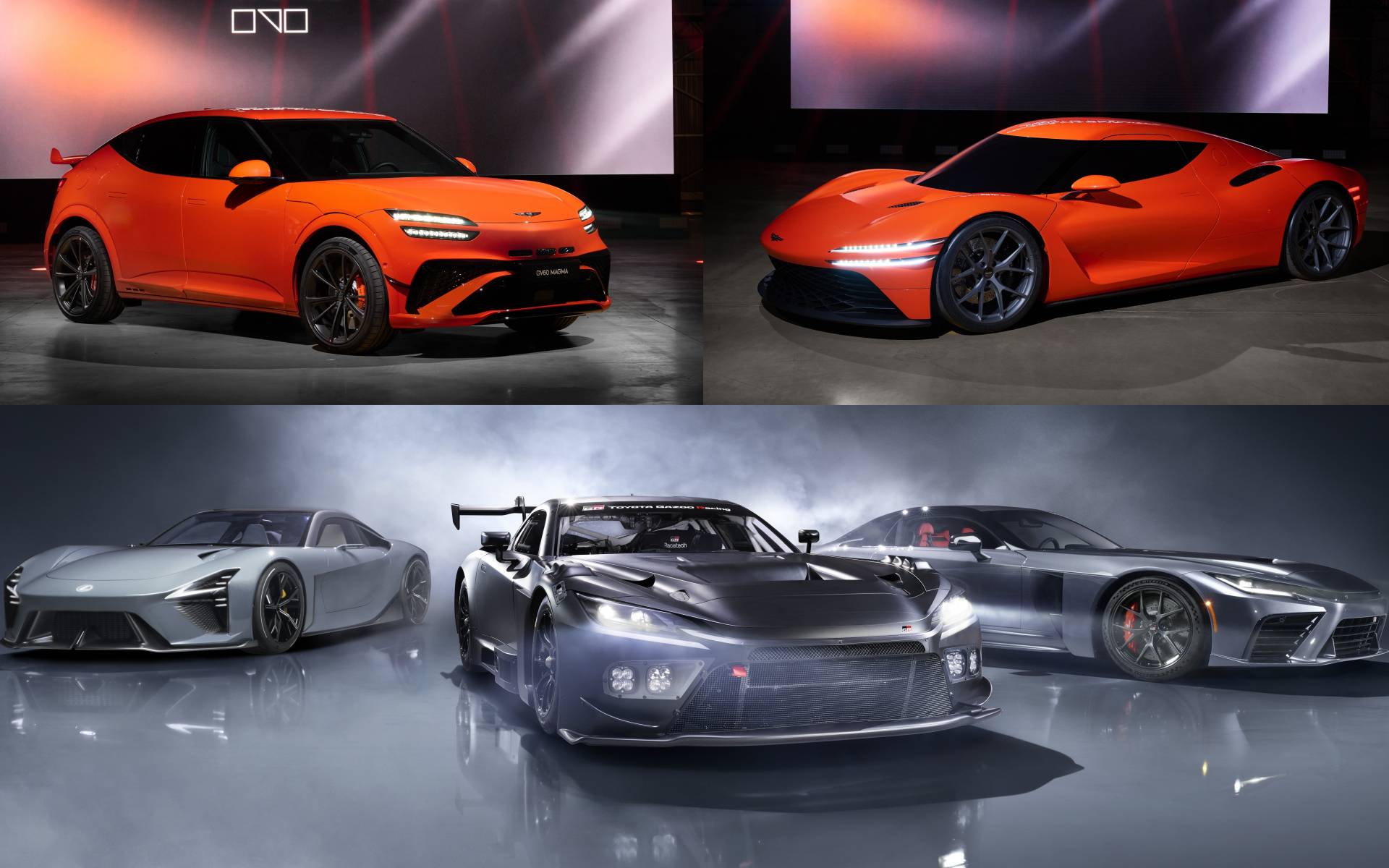
Two car companies that aren’t exactly the first names that come to mind when it comes to high performance will try to reverse this situation in the next few years with some new and exciting (and sometimes highly exclusive) sports models.
Genesis and Toyota are indeed about to write a new chapter in their respective histories, as we’ve seen with their most recent announcements and introductions. In case you missed them, here’s what you need to know.
Magma, a Name to Remember at Genesis
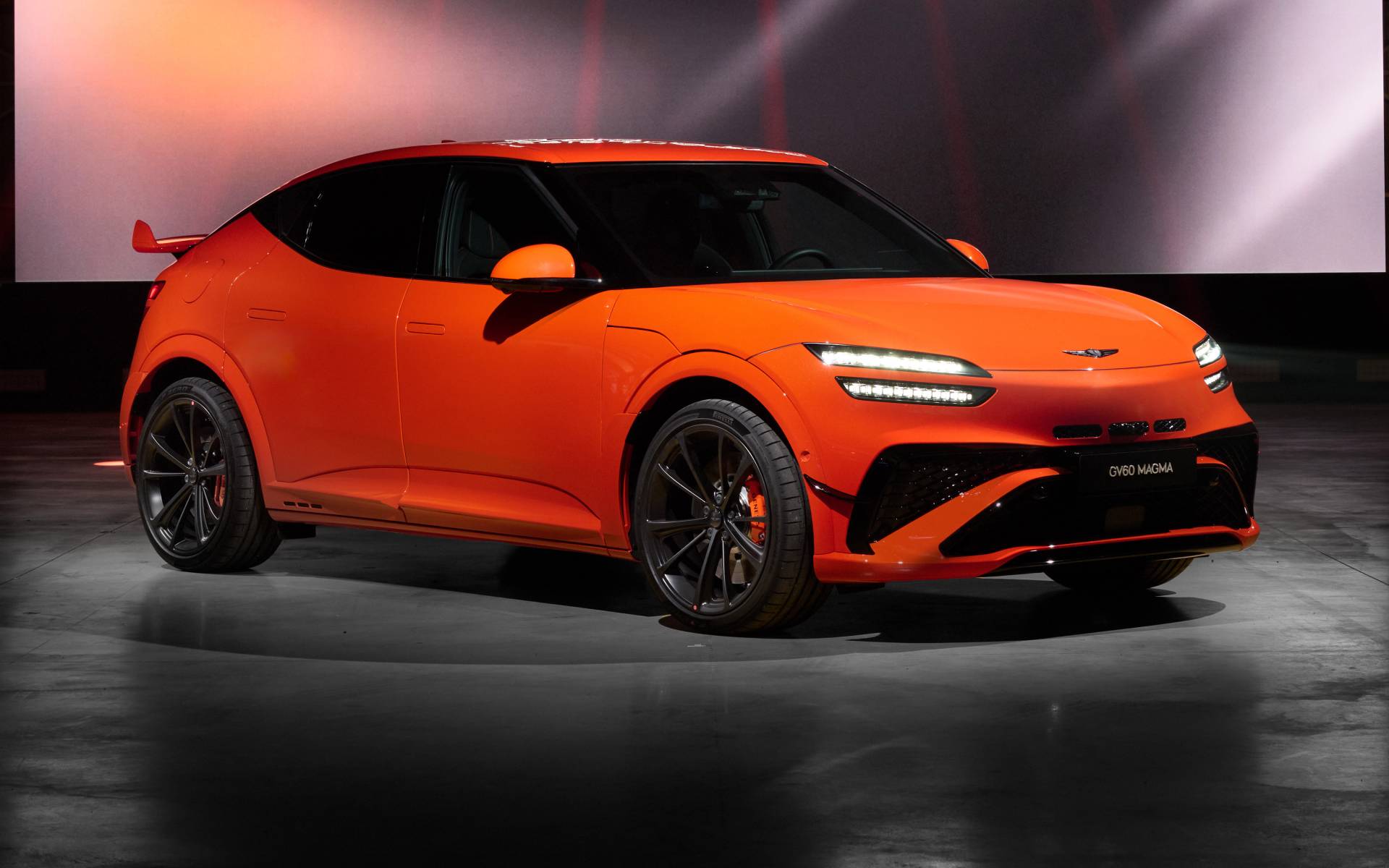
Back in March 2024, Hyundai’s luxury brand announced the creation of a performance vehicle program, but on November 20 at Circuit Paul Ricard in France, we saw the first production model: the GV60 Magma. Sales will begin in South Korea in early 2026, followed by Europe and North America later in the year.
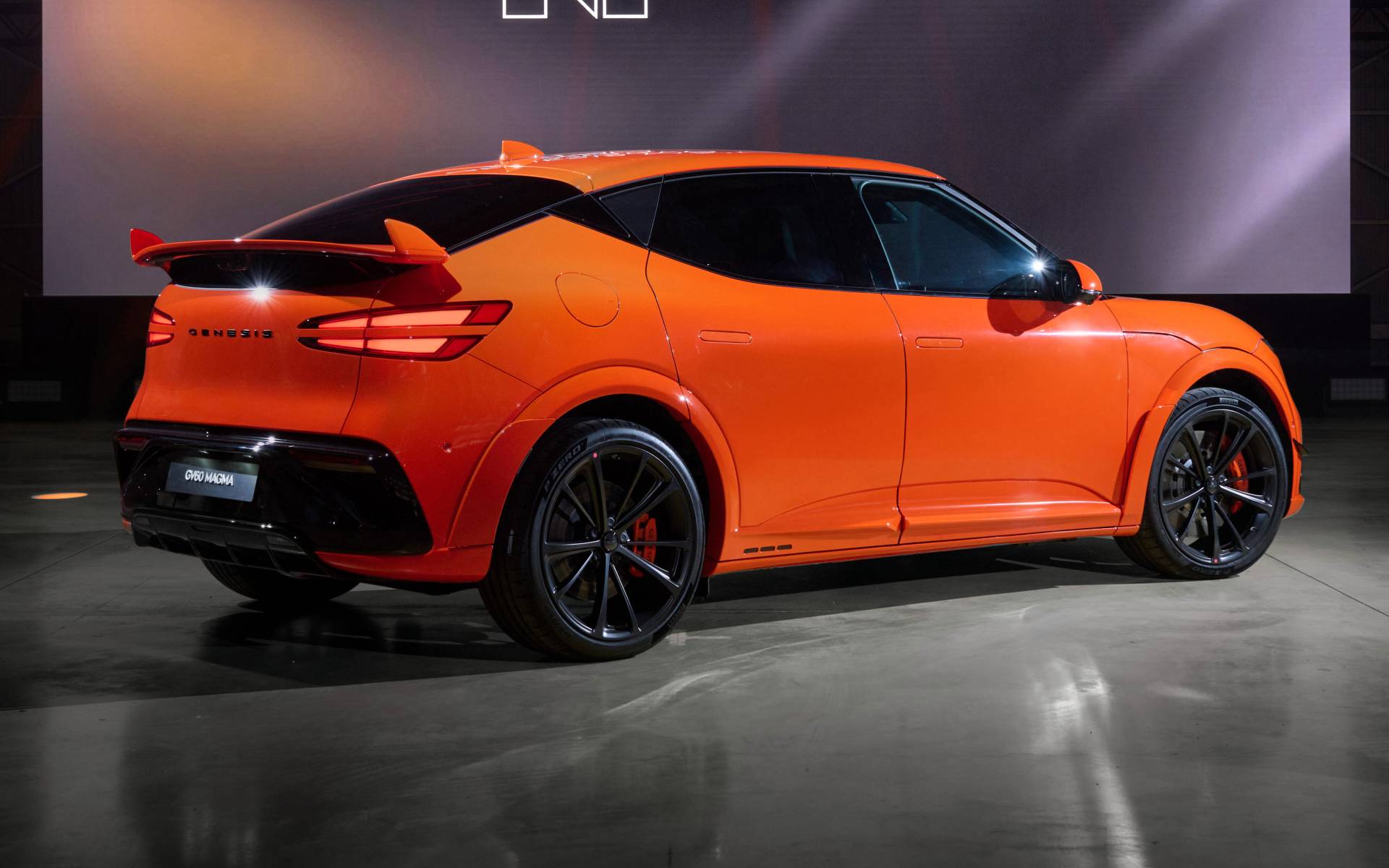
Based on the electric GV60, this coupe-like crossover boasts a more aggressive design highlighted by a large rear wing. It sits 20 mm lower, features wider fenders and connects its exclusive 21-inch wheels to a revised suspension that maximizes cornering grip, not to mention larger brake discs and upgraded calipers.
Engineers were able to easily adapt the Hyundai IONIQ 5 N’s powertrain, which delivers 601 horsepower and 545 lb-ft of torque under normal conditions, or 641 horsepower and 568 lb-ft during the 15 seconds when the Boost function is activated. Look for 0-100 km/h acceleration in under 3.5 seconds with Launch Control and a top speed of 264 km/h—on a track, of course. Furthermore, in addition to Sprint, GT and MY driving modes, there’s a Drift function to play with.
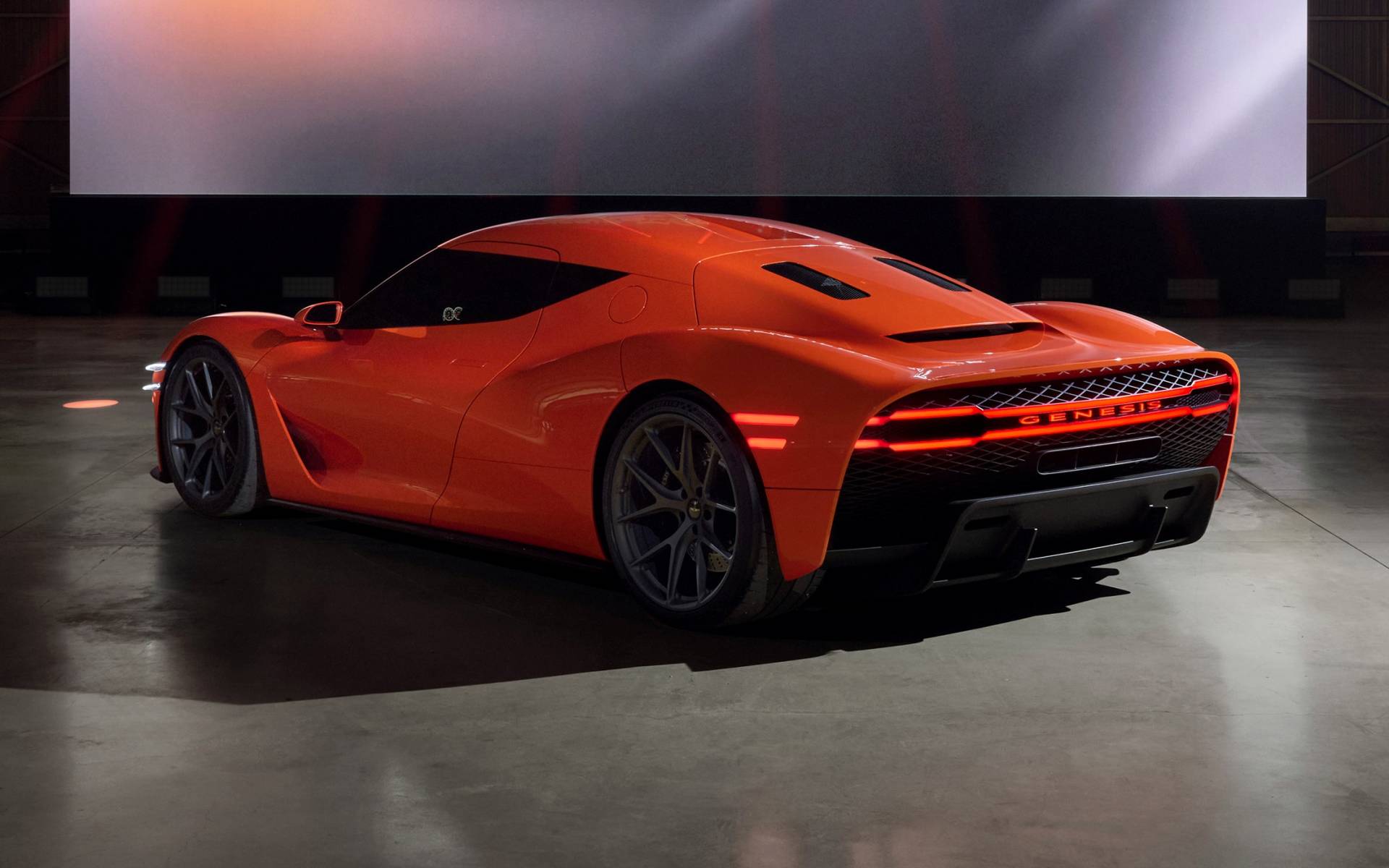
The new Genesis GV60 Magma will go head-to-head with the likes of the Cadillac Optiq-V, Polestar 4 and Porsche Macan Turbo Electric. It may even be followed by a supercar if Genesis actually gives the green light to the stunning Magma GT concept, which was also unveiled a few weeks ago.
Much more than a design study, it expresses Genesis’ desire to bolster its lineup with a true halo car, on the one hand, and to make the leap into motor racing in the GT class, on the other hand. Low, wide and muscular, the Magma GT has a clean and graceful silhouette with prominent fenders. The dark greenhouse contrasts sharply with the Magma Orange body. The same goes for the imposing front grille underlined by an integrated lip spoiler, or the mesh design at the rear with a large diffuser on it.
The doors are scissor-type units providing access to two Recaro racing seats, and the massive rear cover lifts up to reveal the engine. By the way, Genesis didn’t provide any specs about the powertrain. We can tell you it’s not electric, and we can’t wait to see one on the road.
A Terrific Trio From Toyota/Lexus
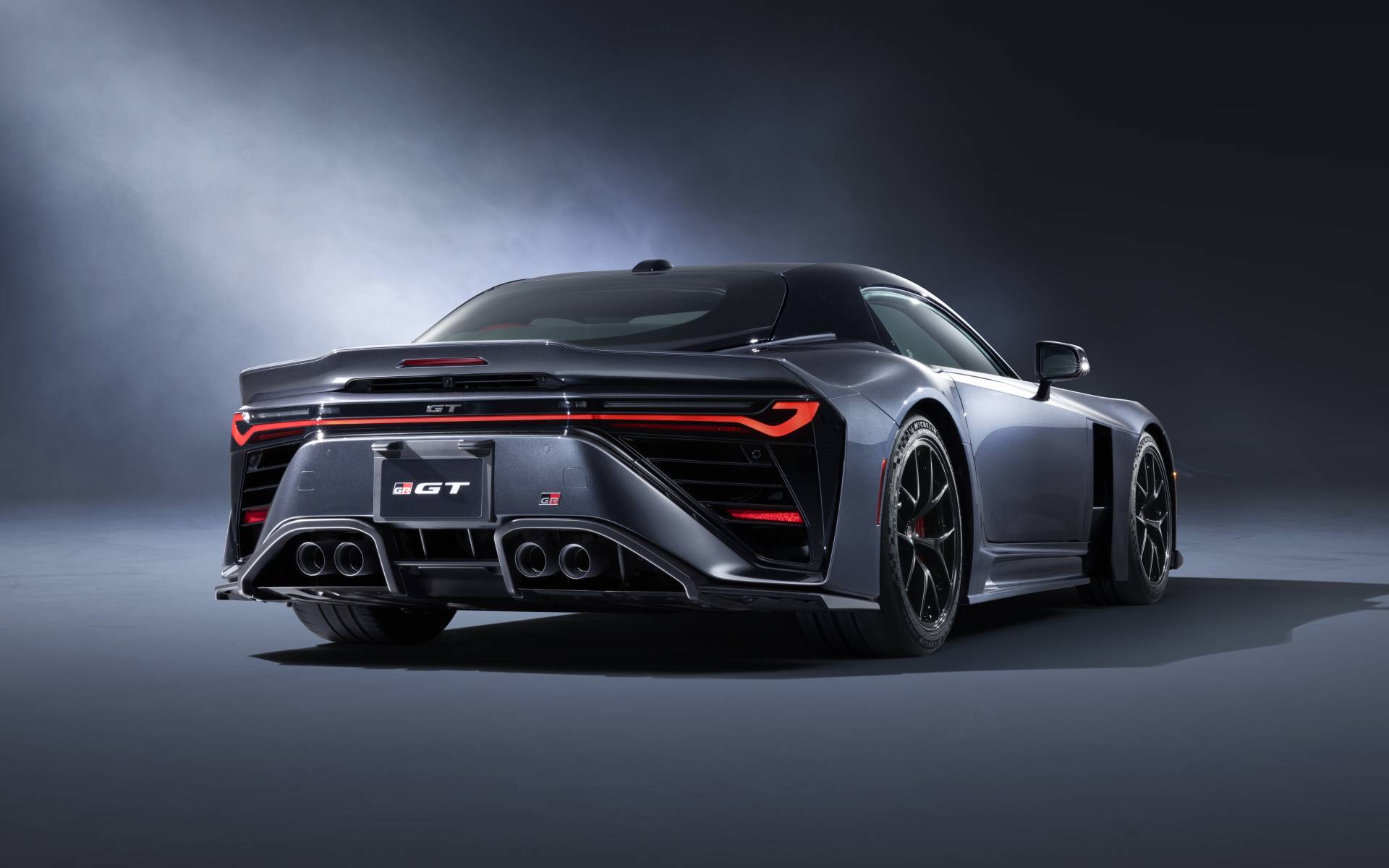
Over at Toyota, the Gazoo Racing division is now becoming a standalone brand (TGR) whose flagship will be the brand new GR GT, a supercar developed from a clean sheet and employing an all-aluminum structure to revive the spirit of the legendary 1967 Toyota 2000GT.
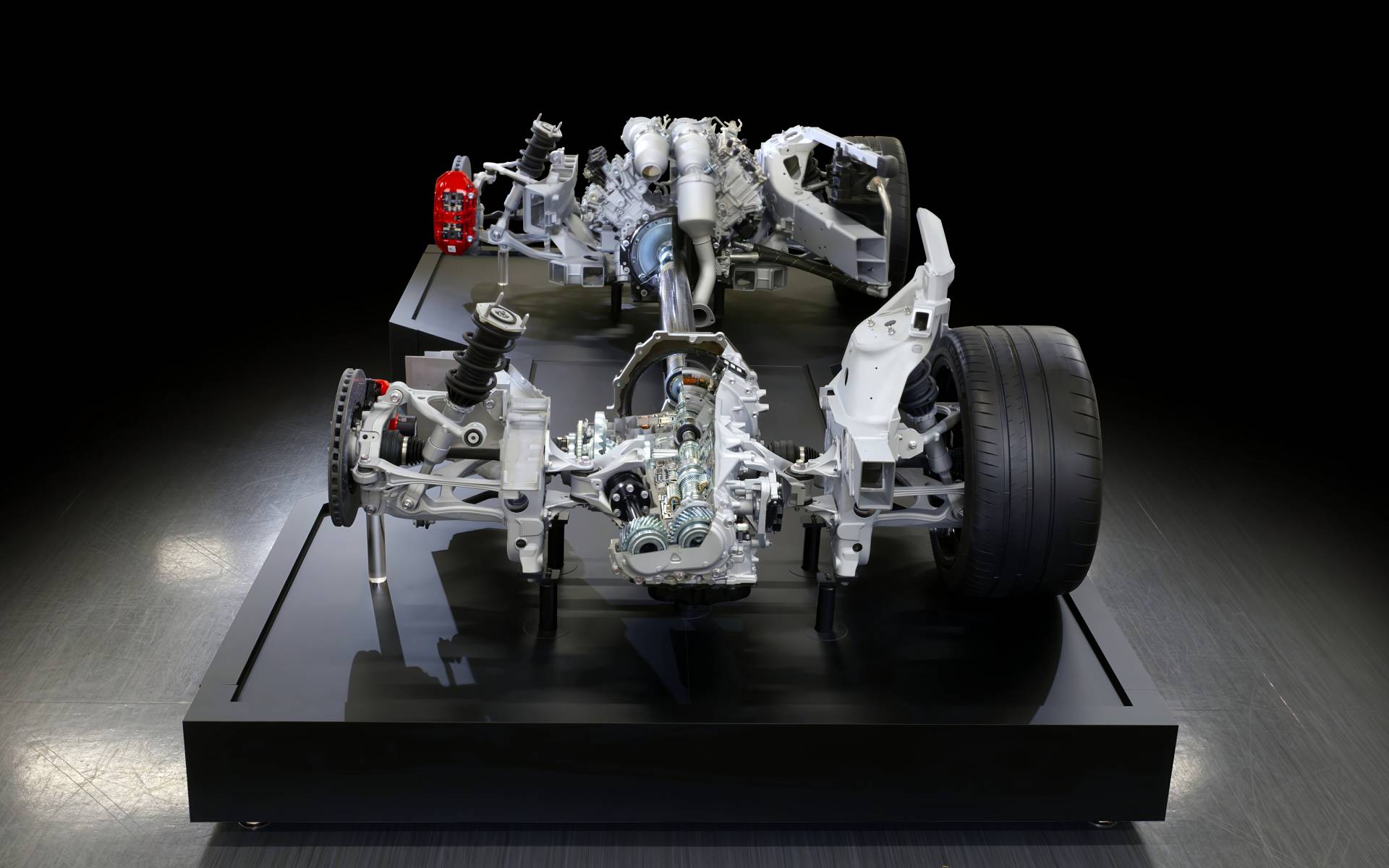
The design, with a seemingly endless nose, wide tracks, very low centre of gravity and multiple air intakes, prioritizes aerodynamic performance above all else. The car’s proportions are somewhat reminiscent of the Mercedes-AMG GT. At the same time, the 641 horsepower and 630 lb-ft of torque—unmatched by any other Japanese automobile—are the result of a twin-turbocharged 4.0-litre V8 and an electric motor integrated into the automatic transmission, with a specially developed exhaust system designed to send shivers down the driver’s spine.
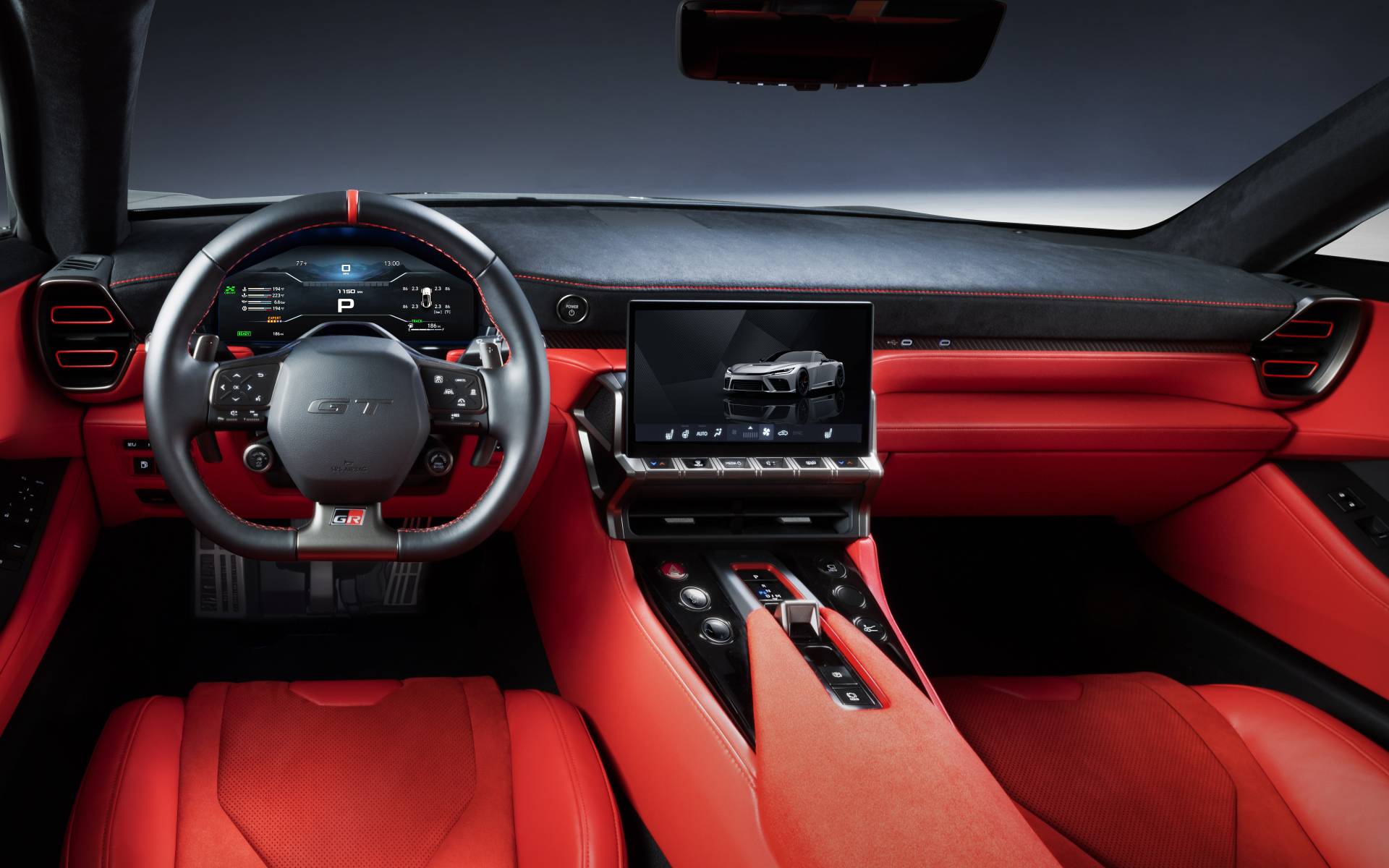
The GR GT also receives Michelin Sport Cup 2 tires, an aluminum double-wishbone suspension and carbon-ceramic brakes. It weighs a mere 1,750 kg, incidentally. Furthermore, the driving position is meticulously designed, the digital instrument cluster is performance-focused, and the red leather upholstery with suede and metallic accents make for a Lexus-style décor.
Speaking of which, rumours suggest that only a select few Lexus dealers will be able to sell the GR GT, which will be limited to approximately 50 units in Canada—at least for the first year of sales in 2027. The price could exceed $250,000, can you imagine?
The GR GT will simultaneously enter motorsports as previewed by the GR GT3 Concept. Extensive simulator testing has confirmed that it’s already competition-ready. However, very little information has been shared about this race car, other than the fact that it’s 35 mm shorter than the road-going version.
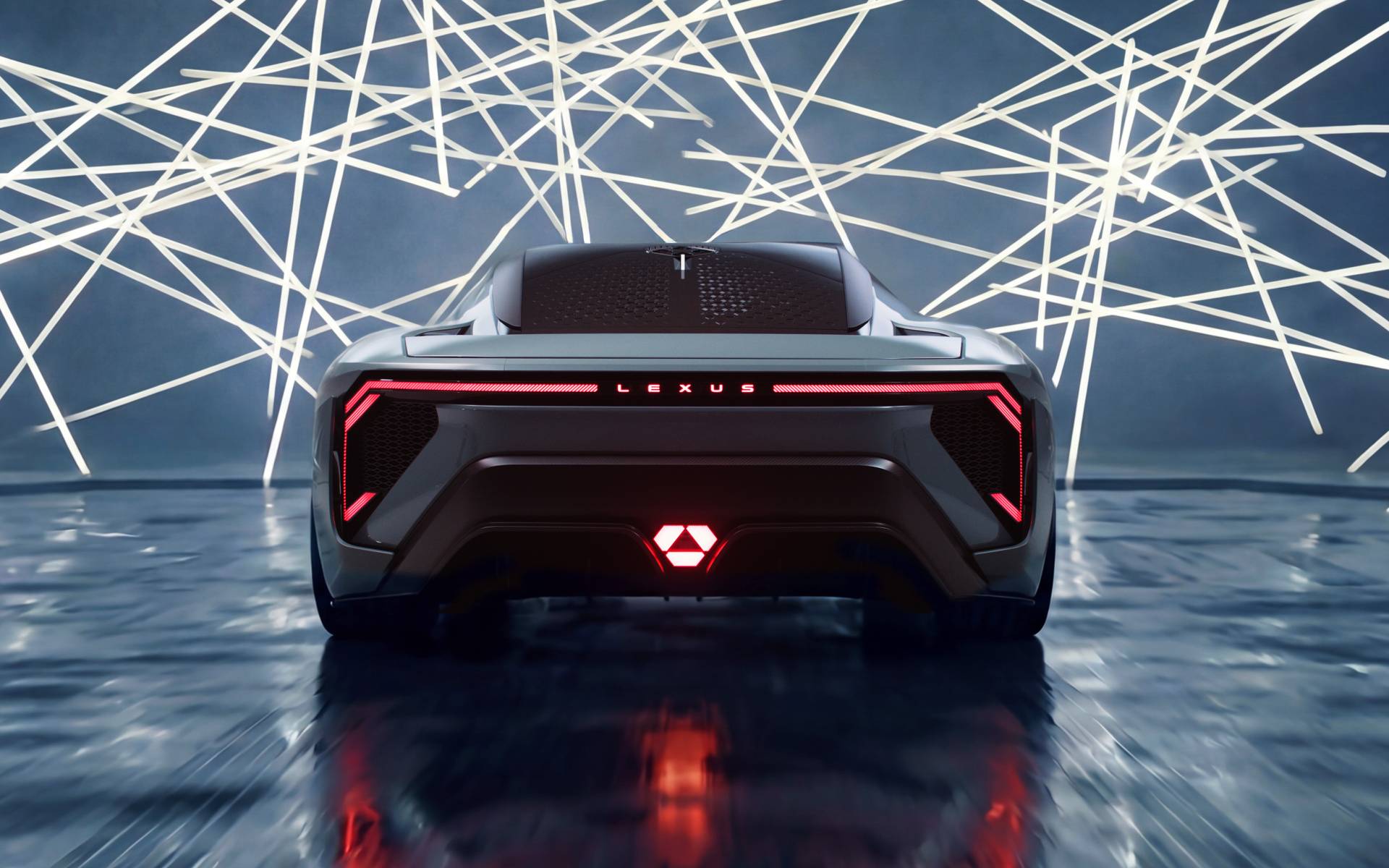
Completing the trio of high-performance cars from the Japanese automaker, the Lexus LFA Concept (the same car that debuted at the Japan Mobility Show at the end of October, but now officially renamed) arrives as a genuine reinterpretation of the LFA for the late 2020s. The hood is even longer but still has those dual scoops, while the triangular shapes in the front corners, which cleverly integrate the lighting elements, directly evoke the original LFA. The whole design is very well done.
Unlike the GR GT and GR GT3, this concept is designed as a fully electric sports car, marking a radical departure from the naturally aspirated V10. Unfortunately, Lexus hasn’t revealed any details about power or the battery, meaning we’re still a long way from seeing a new LFA on our roads. Let’s keep our fingers crossed, though!