Jeep’s Electrification Takes Another Step Back, Three Big Steps Forward

Back in 2019, Jeep’s then-global president, Christian Meunier, announced his intention to make Jeep “the greenest SUV brand in the world.” The plan was initially to electrify all the models in the lineup by the end of 2022, then to offer a fully electric option in every segment by the mid-2020s.
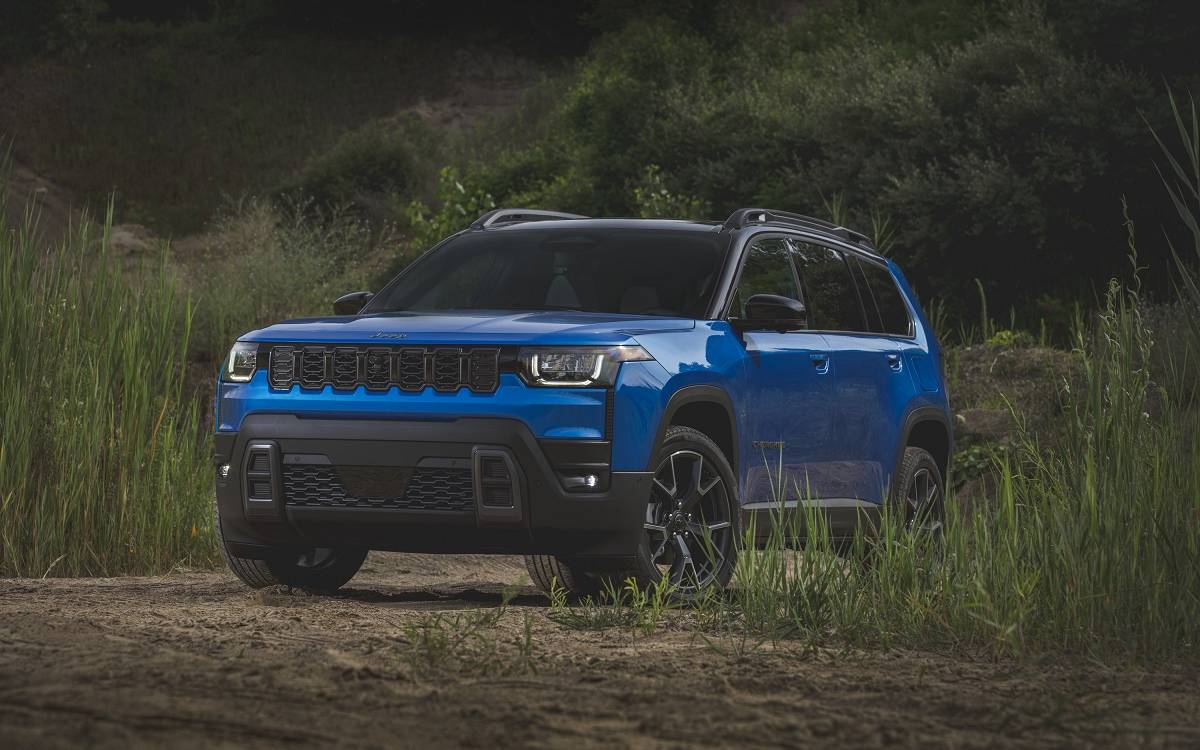
But one pandemic and several other twists and turns later, that’s not what happened at all. The North American electric vehicle market is not growing as fast as anticipated, and Jeep currently offers just two hybrids, namely the Wrangler 4xe and Grand Cherokee 4xe with plug-in hybrid powertrains, and one fully electric SUV, the Wagoneer S.
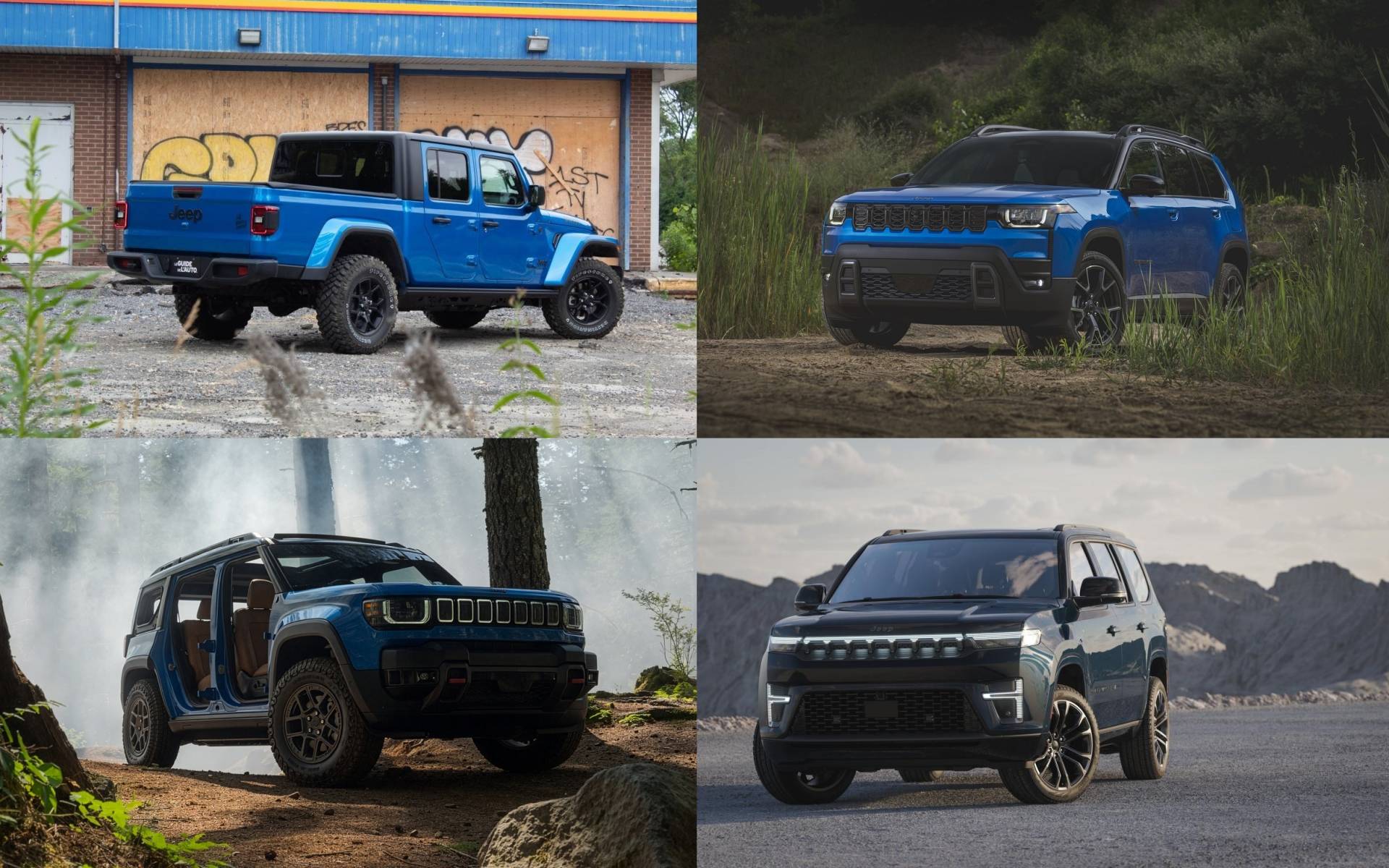
Like many other automakers, Jeep has backtracked on some of its electrification moves. In September, for example, it abandoned the idea of a Gladiator 4xe, initially promised in May 2024 with a launch sometime in 2025. Just like the other 4xe models, this vehicle would have combined a turbocharged four-cylinder engine with an electric motor and a high-voltage battery for an output of 375 horsepower and 470 lb-ft of torque, along with an electric range of about 35 kilometres. Jeep said it will focus on meeting customer demand more directly by offering more of what people actually want, including factory-installed features and customization options.
Three Steps Forward
On the other hand, three new announcements and debuts prove that Jeep continues to move forward on the path to electrification. We’ve already told you about the 2026 Cherokee, which is making a comeback after a three-year hiatus. Unlike its predecessor, which could burn 10 L/100 km of gasoline or more on average, this one will use a hybrid powertrain (210 hp, 230 lb-ft) with a turbocharged 1.6-litre four-cylinder engine for an estimated fuel consumption of just 6.4 L/100 km, enough to travel up to 800 kilometres on a single tank of fuel. This is Jeep’s first non-plug-in hybrid system and a first for Stellantis in North America.
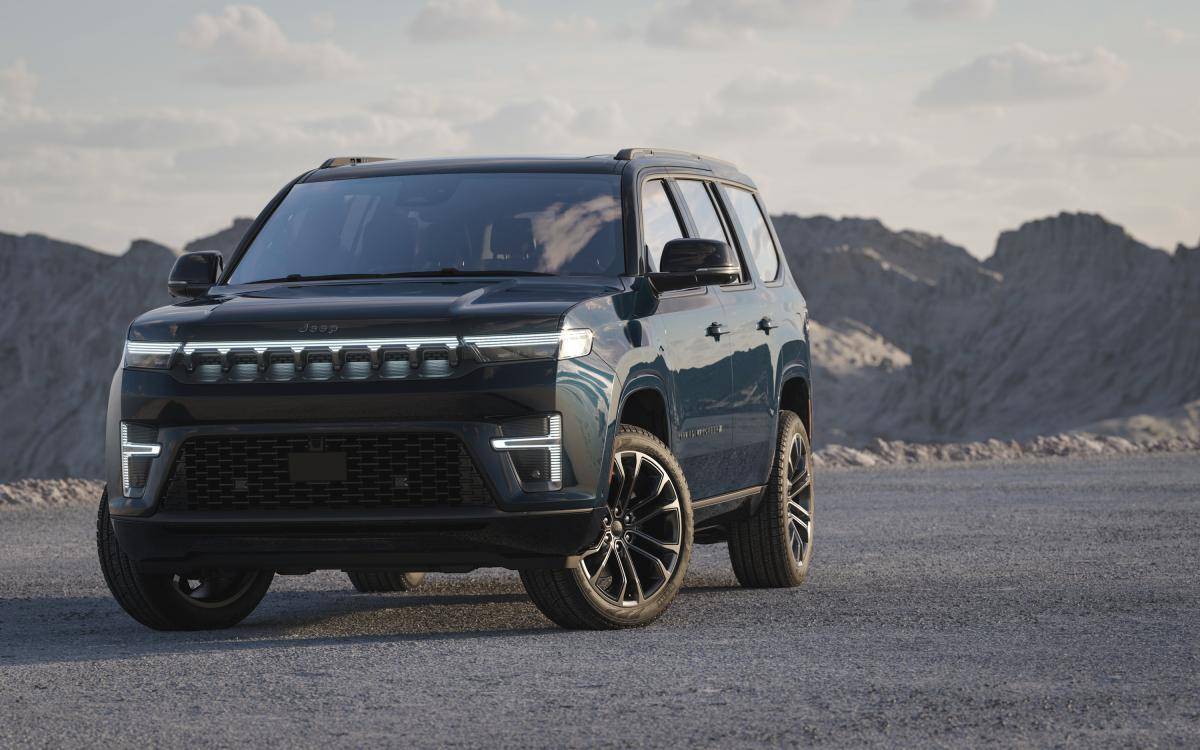
Next up, the luxurious Grand Wagoneer is getting a significant update for 2026, one that will replace the high-output variant of the twin-turbocharged six-cylinder Hurricane engine with—wait for it—a Grand Wagoneer REEV (unofficial name) featuring a range-extending electric powertrain. Similar to the long-awaited Ram 1500 REV (formerly known as Ramcharger), its system uses a 92kWh high-voltage battery that powers the electric motors and can be charged via a 3.6-litre V6 acting as a generator. Immensely potent (647 hp, 620 lb-ft), this Grand Wagoneer will be able to reach 100 km/h in just over five seconds and travel up to 800 kilometres on a full tank of gas and full battery, including approximately 240 kilometres before the combustion engine kicks in, according to Jeep.
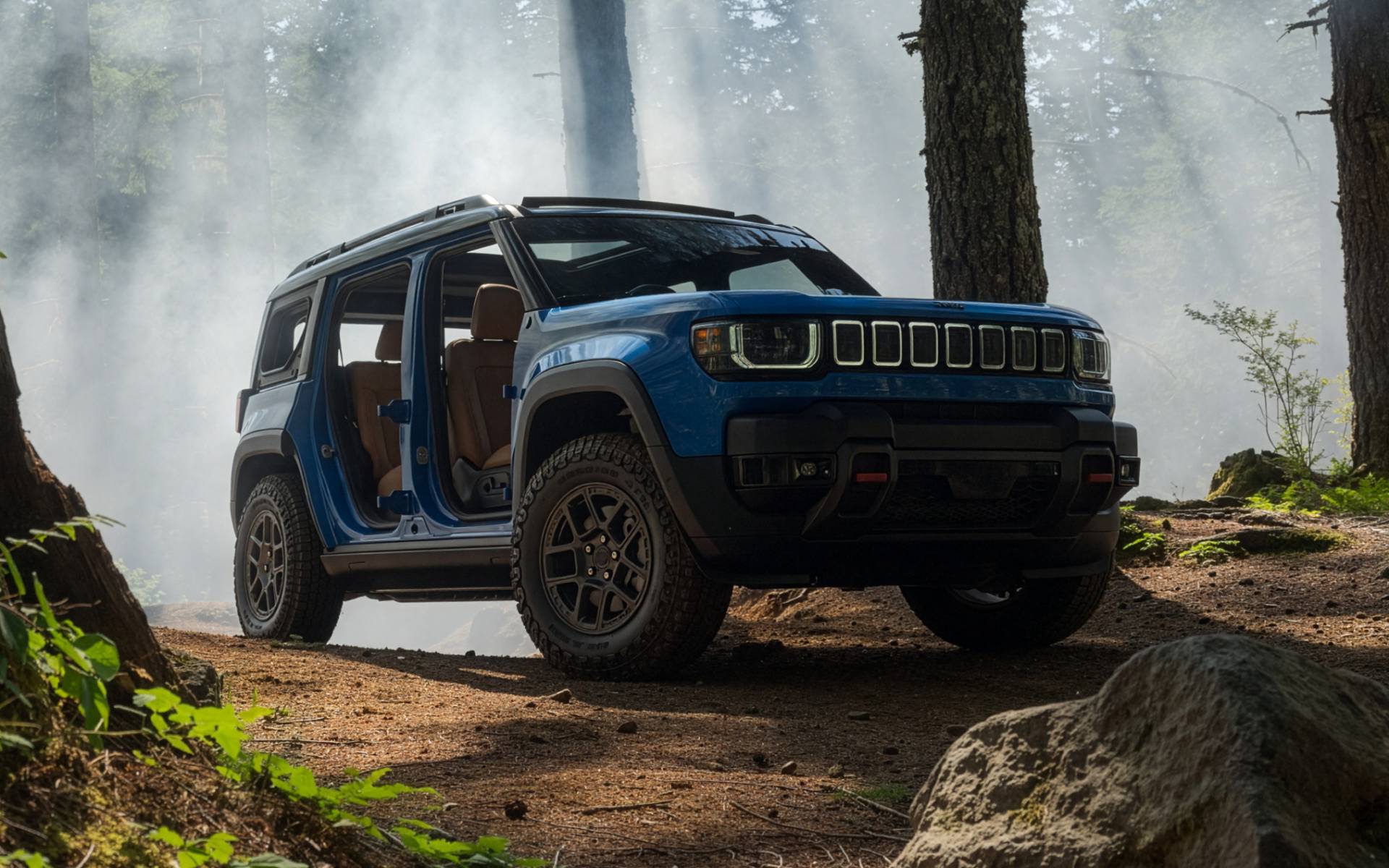
Finally, there’s the all-new 2026 Recon, which was introduced in mid-November. Built on Stellantis’ STLA Large architecture (Wagoneer S, Dodge Charger Daytona), it’s about the same size as the Wrangler and similarly comes with removable doors and rear windows, yet offers an even closer connection with nature thanks to its silent powertrain. Oh, and the Recon is way more explosive, too. The dual electric motors (650 hp, 620 lb-ft combined) allow it to go from 0-100 km/h in just 3.7 seconds. Well protected by a full complement of high-strength steel skid plates, the 100kWh battery under the floor provides a range of up to 402 km. That’s certainly shorter than the 473 km of the Wagoneer S, but given its superior versatility and capabilities, who’s complaining?
Some of these new Jeeps will likely be on display at the Montreal International Auto Show from January 16-25, 2026. It’s a date.