The Little Bolt is Back! Here’s Why It’s a Big Deal

Was it a mistake to discontinue the Chevrolet Bolt EV a couple of years ago? The little electric hatchback enjoyed great success from 2017 to 2023, but it also suffered from battery problems that led to a major recall, which tarnished its image and frustrated many drivers.
Well, you may have seen it or heard about it: a new Bolt is coming. With rising prices across the automotive industry and the loss or reduction of government incentives hurting more and more consumers’ budget, General Motors saw a great opportunity to offer a more affordable model than the popular Chevrolet Equinox. Production is expected to begin by the end of the year, with the first deliveries—in limited numbers—scheduled for the first quarter of 2026.
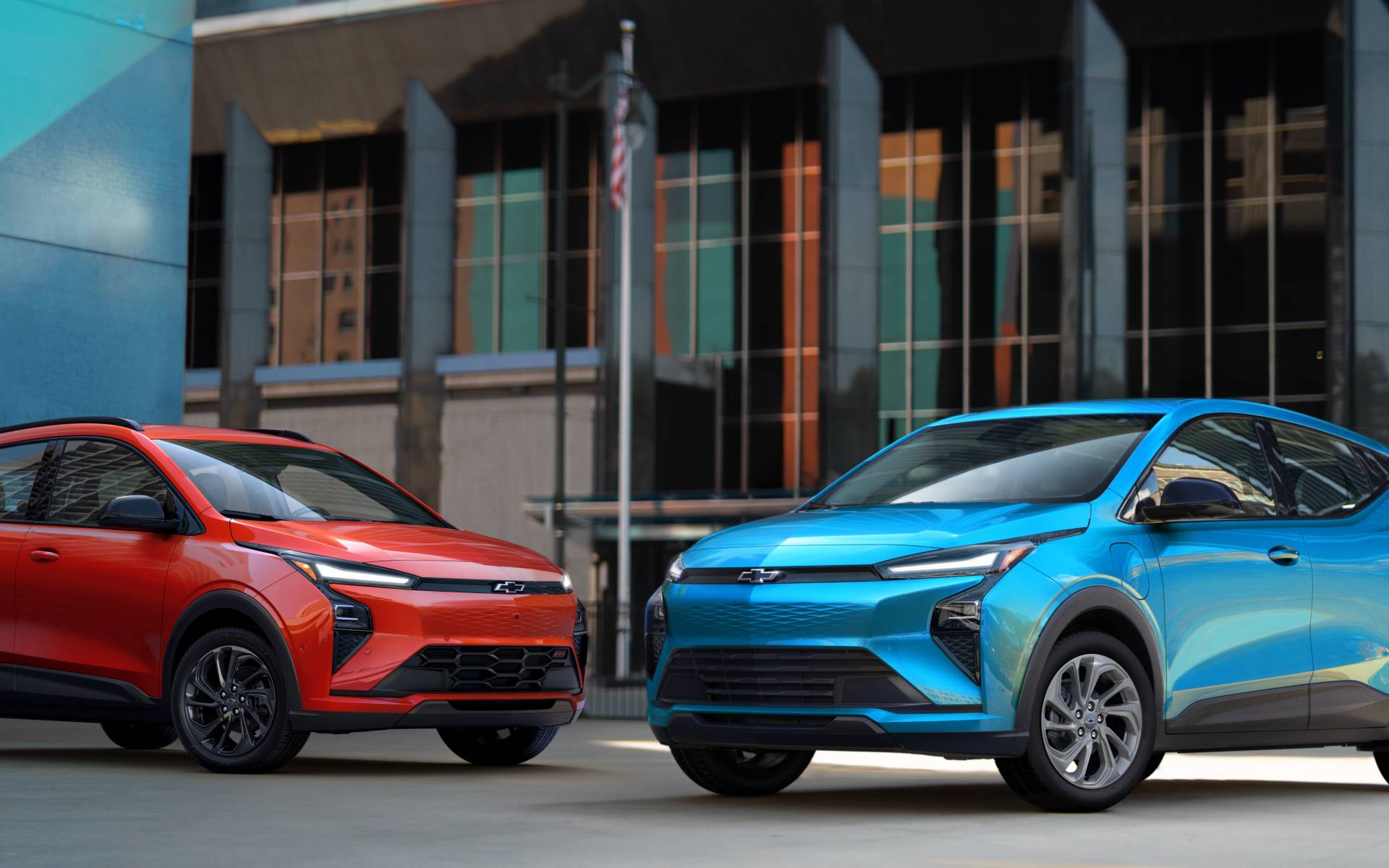
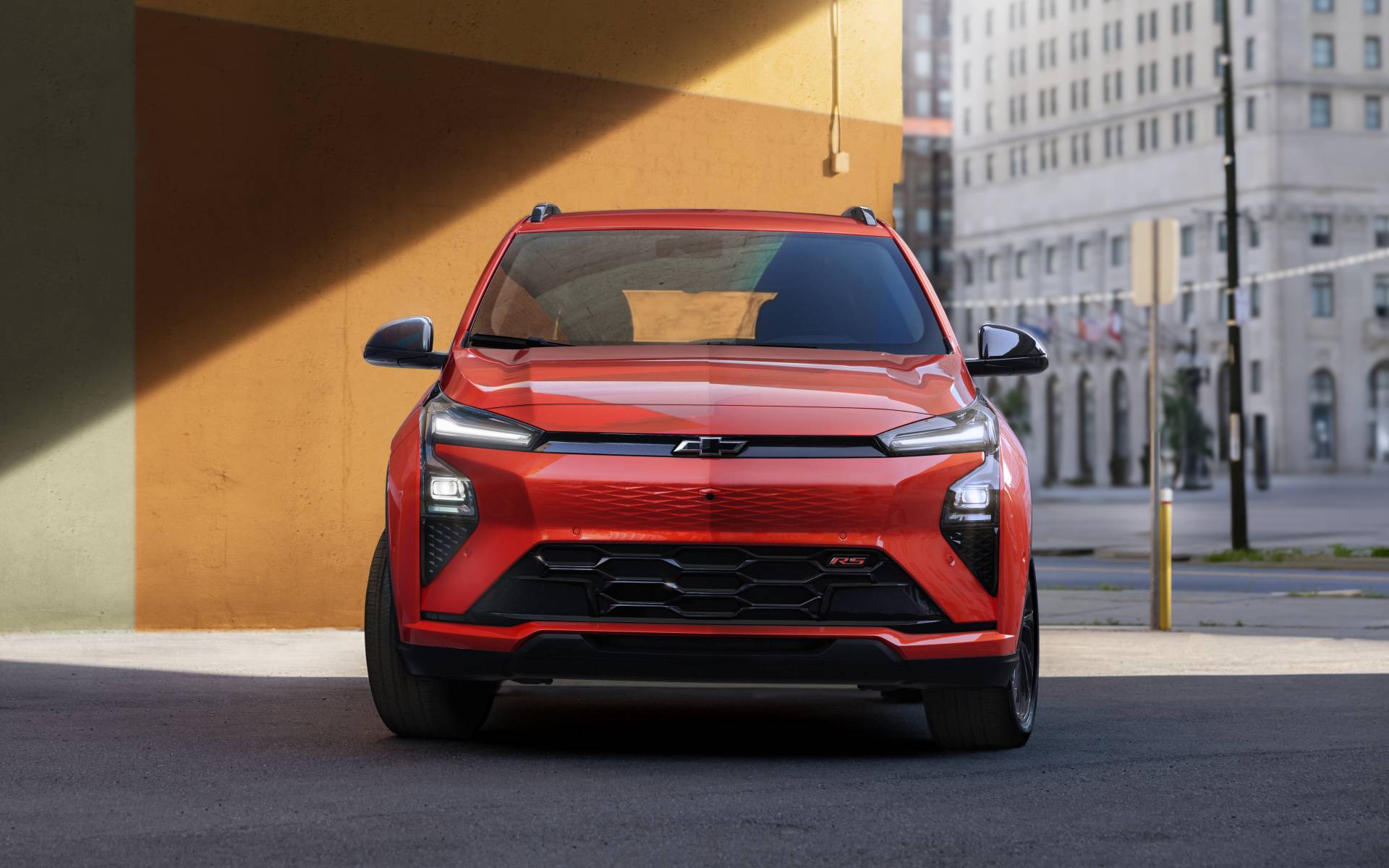
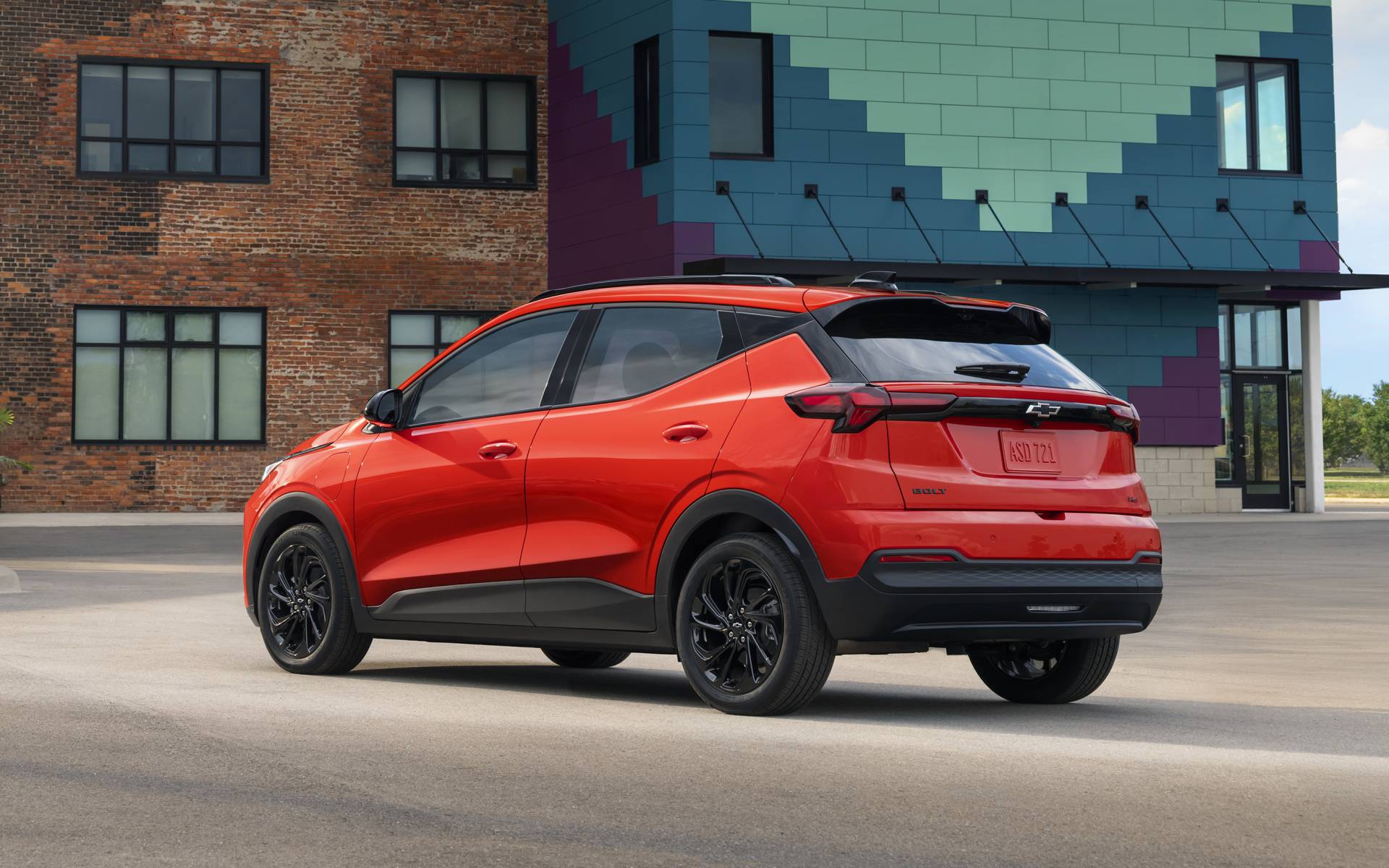
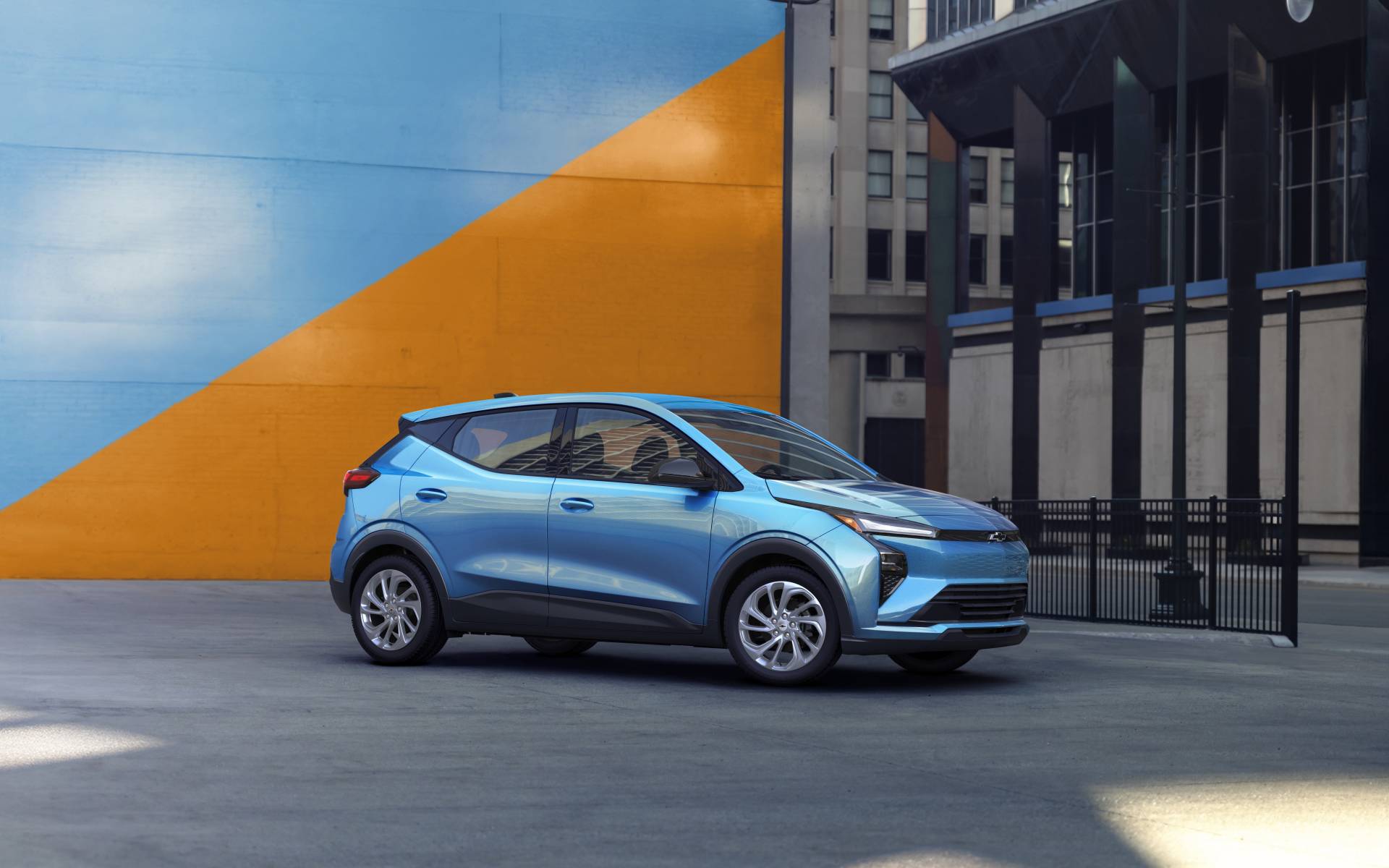
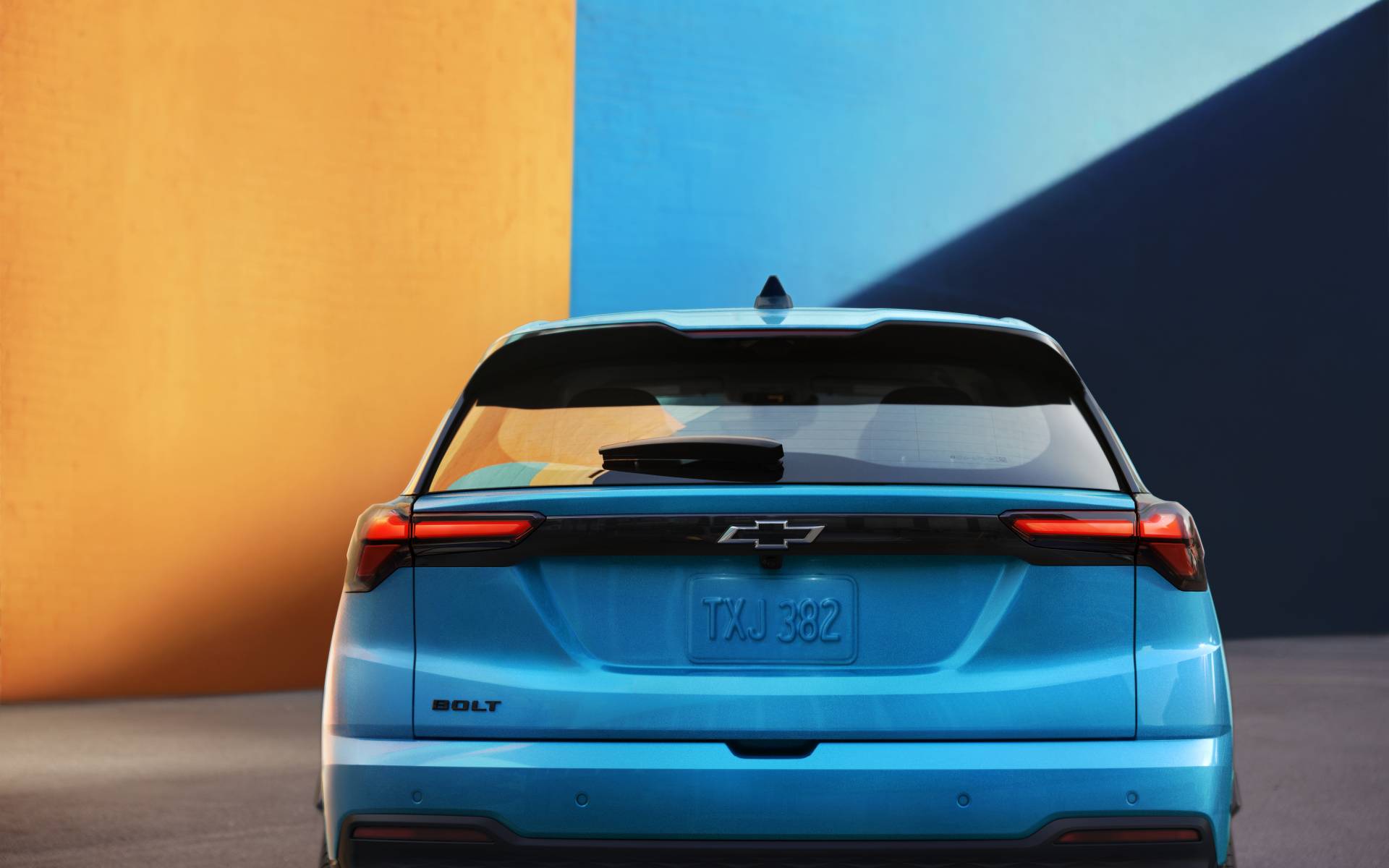
While at first glance the 2027 Chevrolet Bolt may not seem to have changed much due to its familiar design, we can assure you that this evolution represents a significant improvement. And by the way, since there’s no gasoline-powered variant to sell alongside, the company has wisely decided to drop the “EV” from the car’s name.
Starting Over With a More Solid Foundation
The changes we can’t see are the ones that have the most impact here, starting with a new platform and a new heart. The second-generation Bolt becomes GM’s 10th electric vehicle to use the X76 drive unit, which was designed in-house to maximize range and improve fuel efficiency. Disappointingly, the automaker estimates the car will be able to travel up to 410 km, just shy of the late Bolt EV’s 417 km.
However, a key improvement is that the braking system has been optimized for consistent pedal feel during both regen and friction braking. More importantly, engineers have addressed a major shortcoming of the Bolt: the maximum charging speed when using a DC fast charging station is up to 2.5 times faster thanks to a capacity of up to 150 kW. This means the battery can now go from 10-80% in just 26 minutes. Amen. Plus, the 2027 Bolt is the first Chevrolet electric vehicle to offer a native NACS charging port, which provides direct access to Tesla Superchargers.
Enhanced Driving Experience With Google and Super Cruise
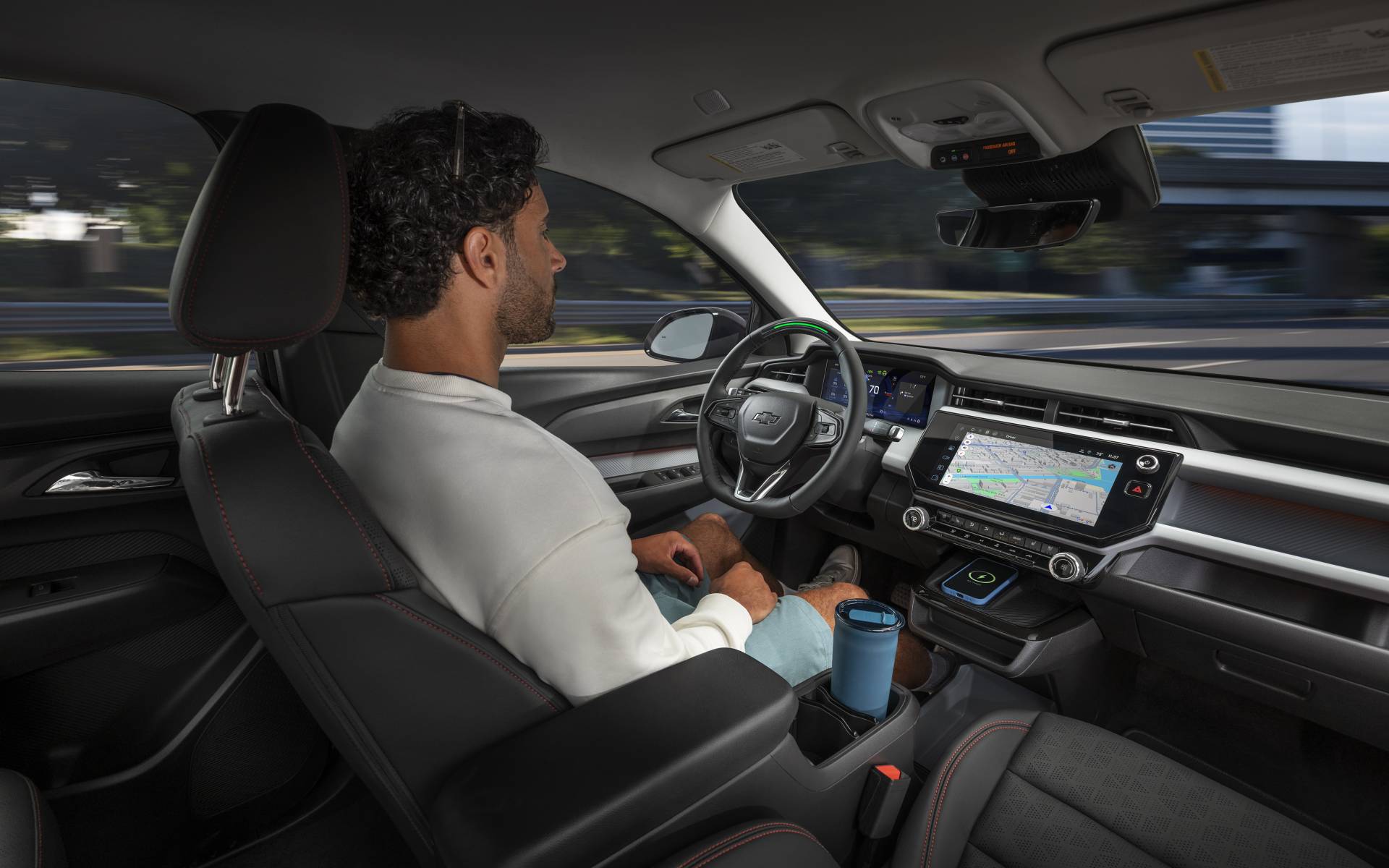
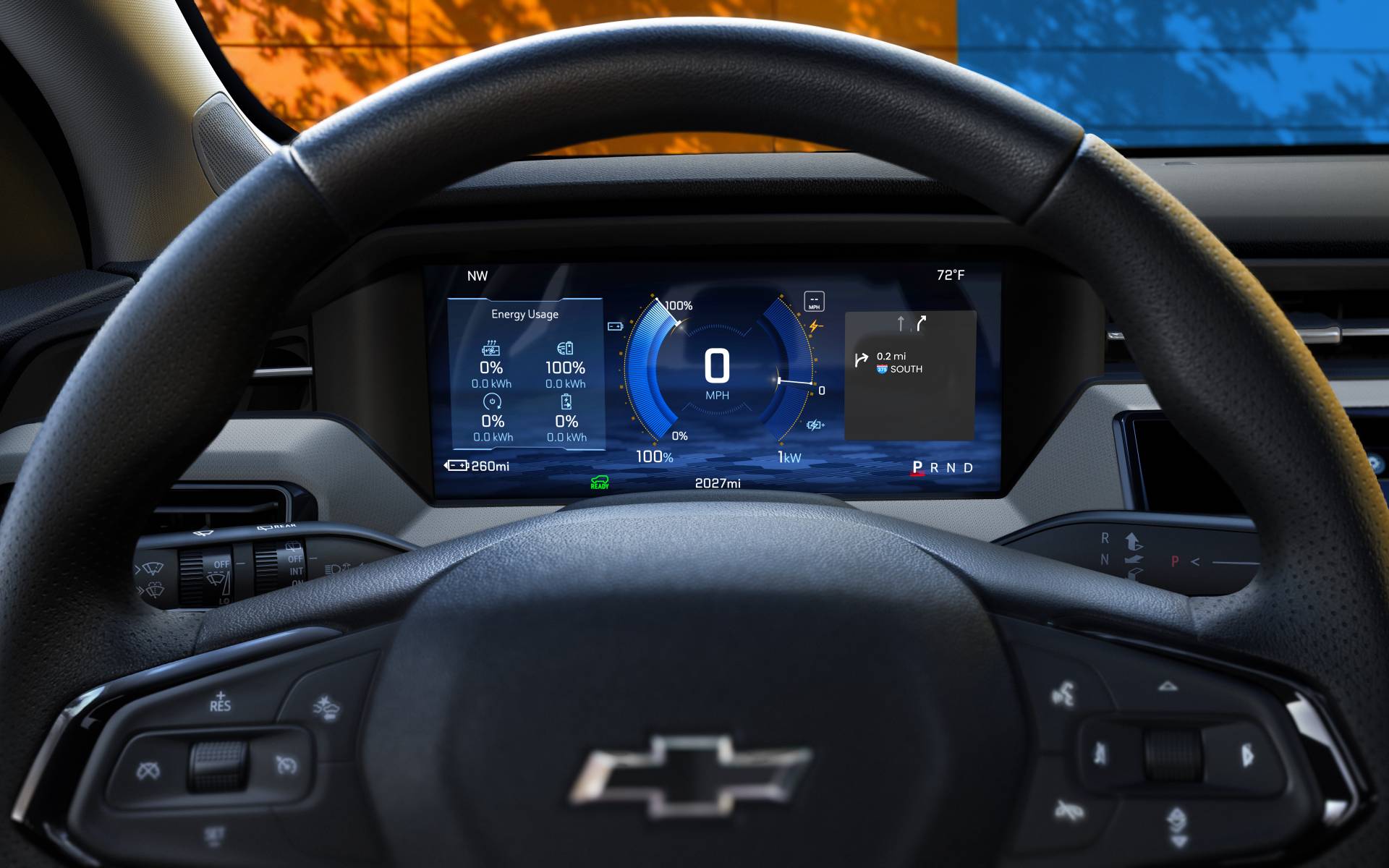
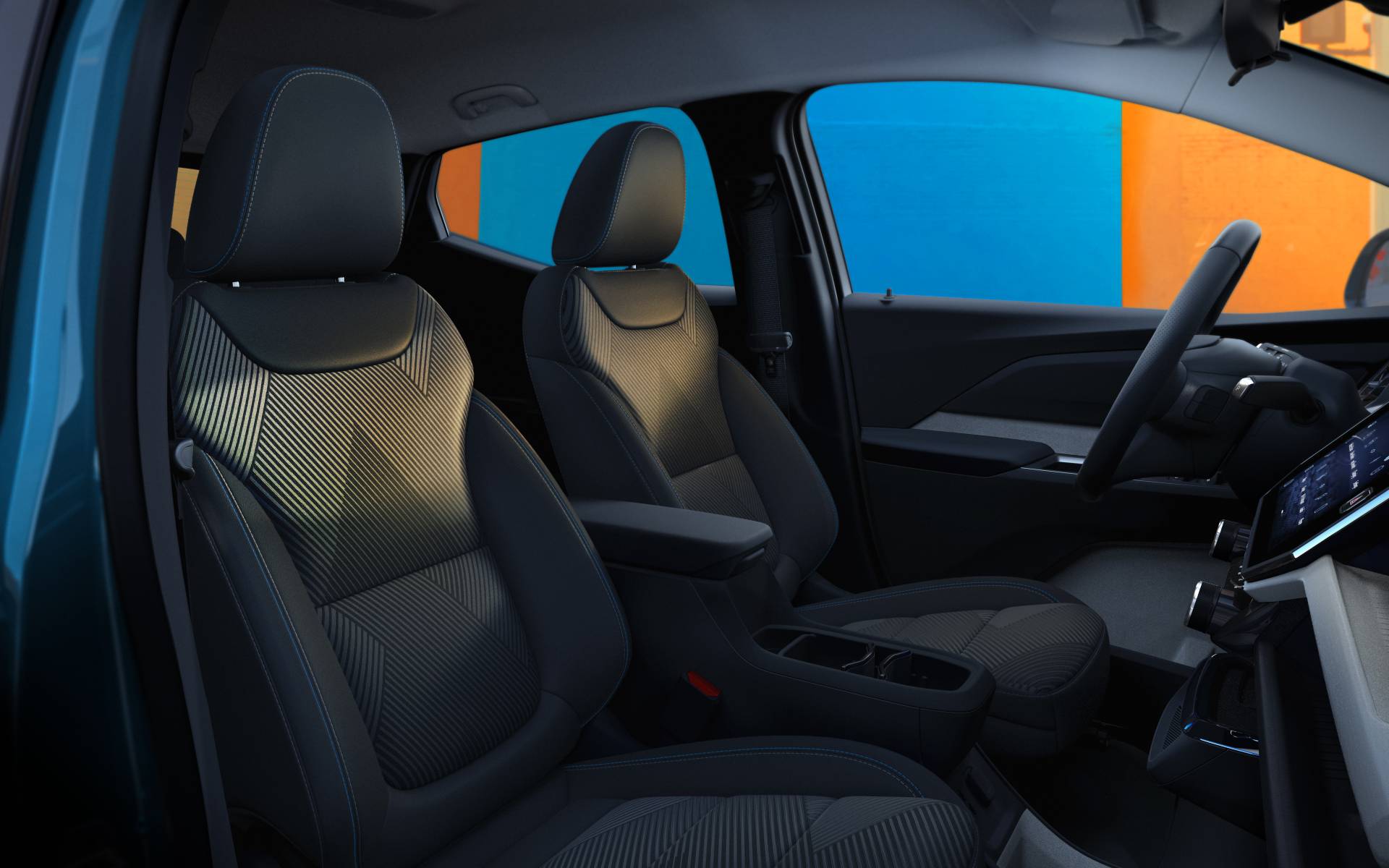
Inside, under a panoramic sunroof (available as an option), the new Bolt is packed with the latest technology. Don’t miss the 11.3-inch touchscreen paired with a new, customizable 11-inch digital instrument cluster. The infotainment system features Google built-in, so with “Hey Google” voice assistance, occupants can control cabin temperature, seat warmers, voice-to-text, hands-free phone calls and more. Meanwhile, with Google Maps, the drive route automatically includes information on battery range. On longer drives, it gives smarter routes and charging recommendations.
In addition, when the car is parked or charging, occupants will be able to play games like Angry Birds, browse the internet via Chrome or watch content on Tubi or Prime Video. How cool. With regard to safety and driver assistance, Super Cruise hands-free driving technology is available for the first time. In fact, Google Maps syncs with Super Cruise to show compatible routes and indicate how many minutes of your trip can be driven hands-free.
Prices Go Up, Incentives Go Down
The 2027 Chevrolet Bolt will launch with the entry-level LT model at an all-inclusive price of $43,470. That’s about $1,500 more expensive than the original, but comparable to the Bolt EUV that was sold alongside it. Crucially, government incentives are nowhere near what they used to be. The federal iZEV rebate of up to $5,000 has long been suspended and likely won’t return, while Quebec’s own incentive went from $7,000 in 2023 to $2,000 starting in 2026.
There’s a new, sporty-looking RS model at the top of the lineup, too, retailing from $46,025. This one features a unique grille emblem, high-gloss black wheels and roof rails, as well as an exclusive available colour combination of Atomic Yellow on the outside with red contrast stitching on the inside.