Auto Shows Still Having Major Impact on Car Sales, Study Reveals

All around the world, auto shows no longer have the same draw or prestige as in the past, a situation that the COVID-19 pandemic has undoubtedly accelerated. Economic challenges and the fast-growing influence of online marketing—social media in particular—also play a role.
However, the new-vehicle buying journey is far from going fully digital. A new study by Toronto-based firm Clarify Group demonstrates once again the importance of in-person events like auto shows and their significant impact on the market.
It is based on responses from nearly 9,000 attendees of the latest edition of the Los Angeles Auto Show, New York Auto Show and Toronto’s Canadian International AutoShow. The main finding? These people are almost three times more likely to purchase a new vehicle within 12 months than the average consumer.
In other words, auto shows accelerate purchase decisions. They amplify online efforts and drive the behaviours that both automakers and their dealers care about, Clarify Group said.
The study found that visitors spend more than four hours at auto shows and experience about nine vehicles up close on average, something that no dealership showroom can brag about.
Gen Z attendees, typically aged 20 to 29, are among the most enthusiastic promoters of auto shows, recognizing the value of comparing and even test driving increasingly expensive vehicles. The popularity of EV test drives every year, among other things, confirms this.
Here’s another key finding: participating brands have seen 2.5 times the increase in purchase consideration, while brands that opted to skip the shows have suffered a threefold decline. What’s more, around 20 percent of visitors said they were less likely to buy a vehicle from a brand that didn’t show up.
What About Montreal?
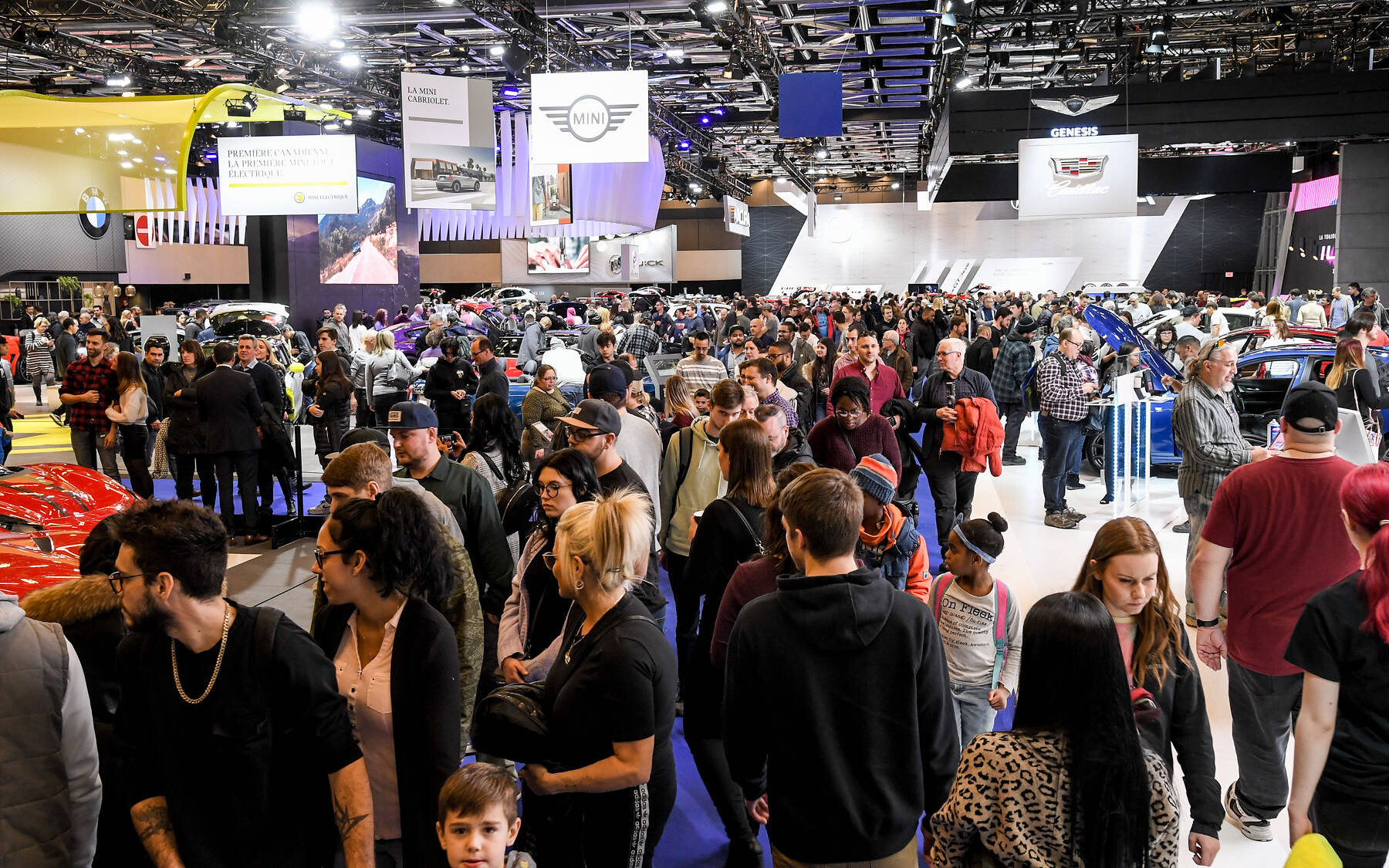
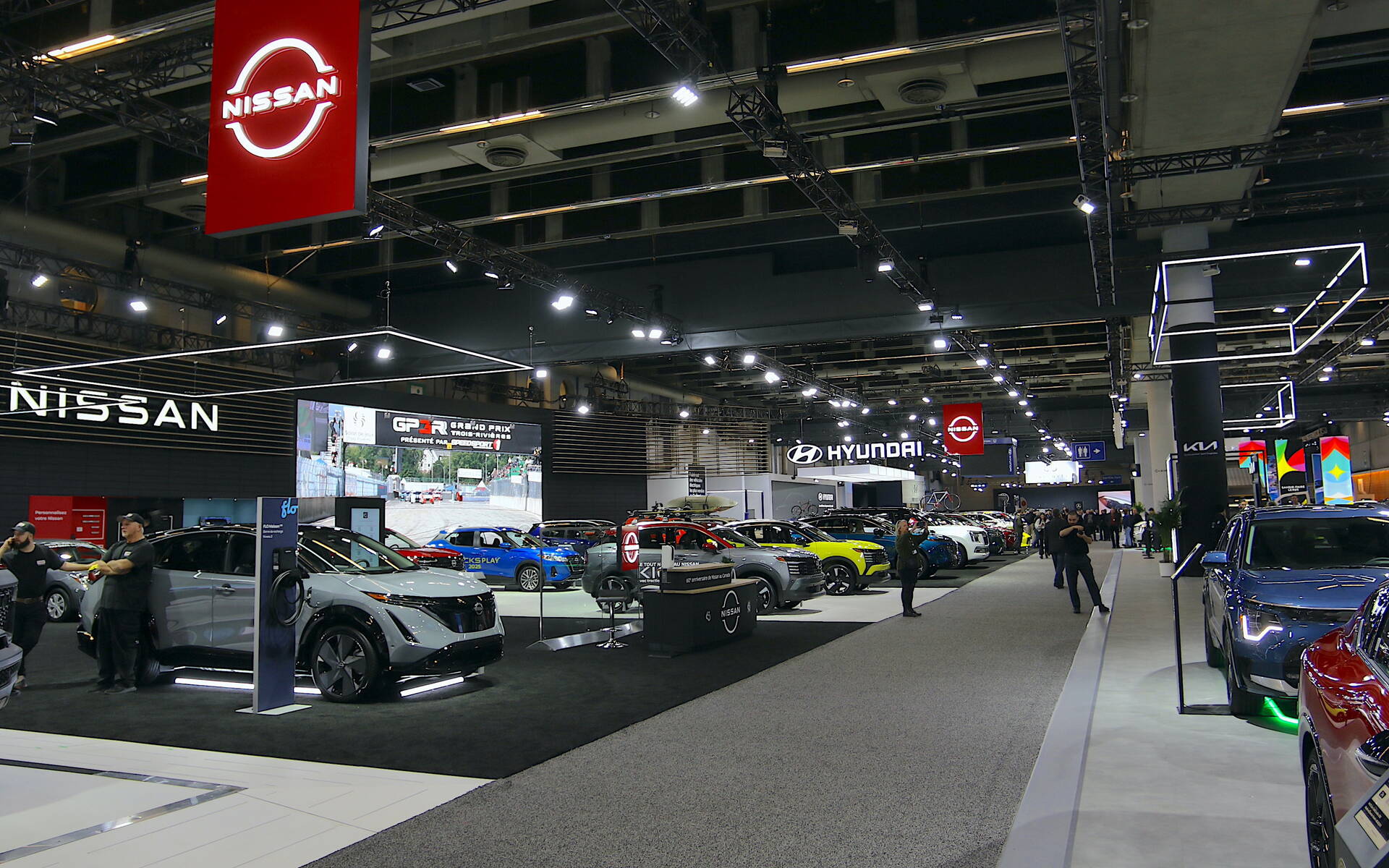
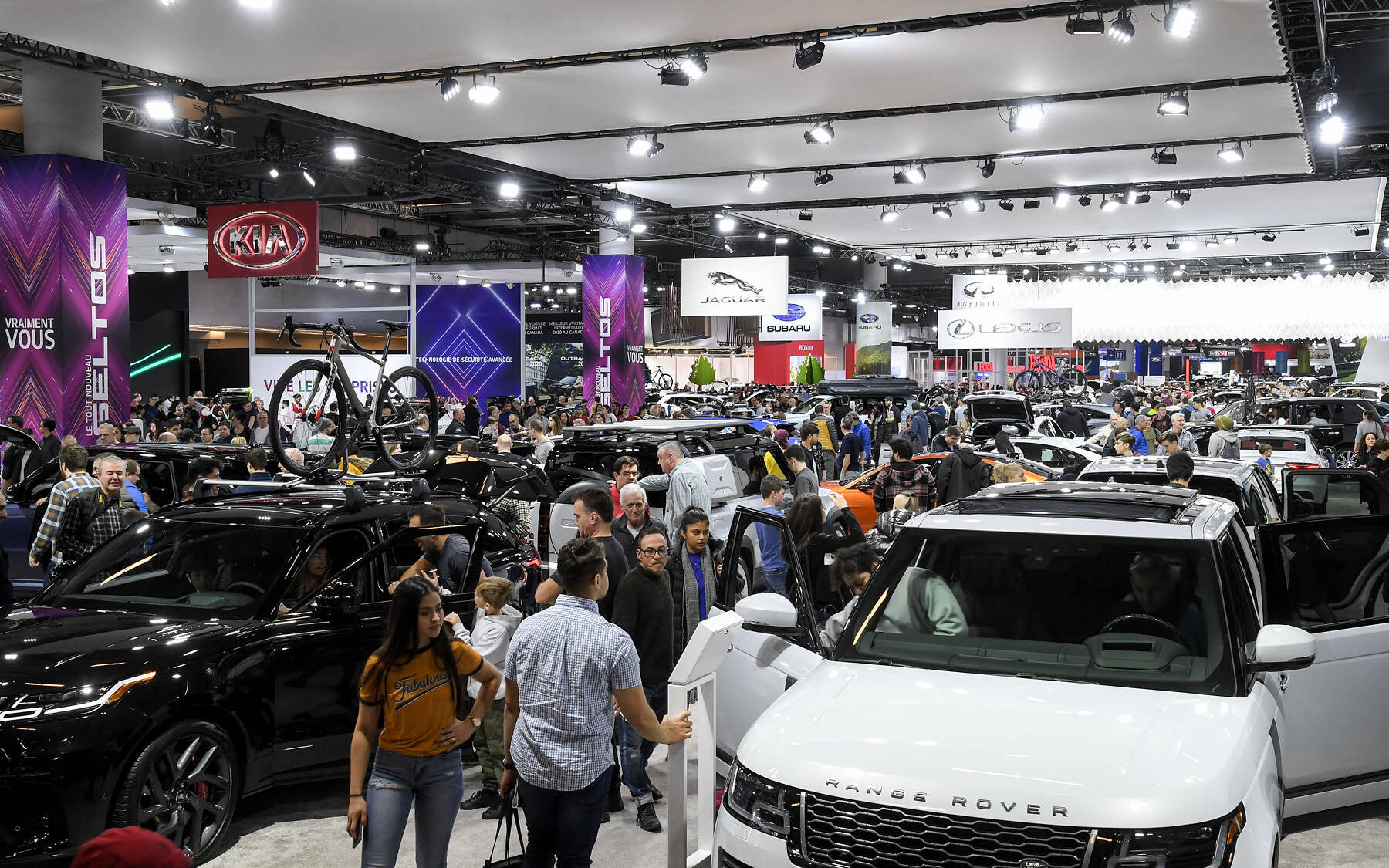
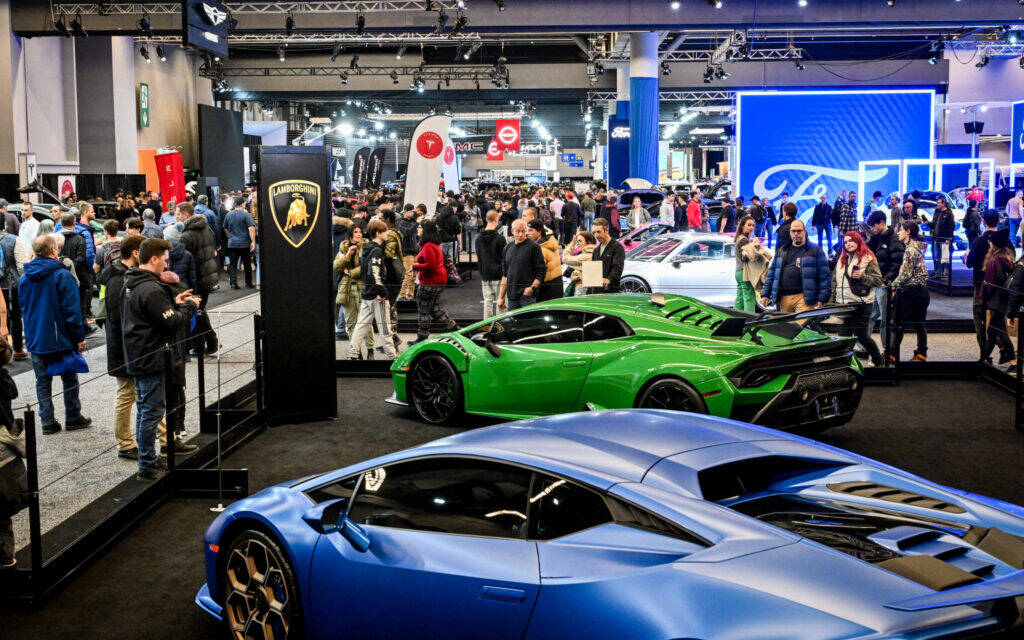
The 80th edition of the Montreal International Auto Show at the Palais des congrès last January attracted nearly 163,000 unique visitors over ten days. The show featured over 30 brands, including some returning exhibitors (Mercedes-Benz, Subaru, Volvo, Chrysler, Dodge, Jeep, Ram, Fiat and Alfa Romeo) and others making their debut (Lucid and Polestar).
“The Montreal Auto Show follows the major global trends in our industry. The absence of certain brands in recent years has had an impact on the event, but we are seeing a return of major players who are rediscovering the importance of auto shows and human interaction,” explained the event’s executive VP, Denis Dessureault.
Spokesperson and race car driver Bertrand Godin added: “Many visitors came with a genuine intent to purchase, which highlights the quality of interactions between exhibitors and consumers. These direct interactions emphasize the importance and added value of an event like the Auto Show, which can meet the expectations of a truly engaged and passionate audience.”
For 2026, some brands will continue to be absent. Mazda, for one, has already announced that it will not take part in any Canadian auto shows next year. Honda/Acura will do the same. The full schedule will be revealed in the coming weeks. Stay in touch.