Wild and Futuristic Concepts Turned Heads at 2025 Japan Mobility Show

The Japan Mobility Show, formerly known as the Tokyo Motor Show, remains one of the major international events for car enthusiasts. The 2025 edition kicked off last Thursday and will close on November 9.
Once again, the team at The Car Guide was on hand to cover the many vehicle debuts. As is often the case in Tokyo, concepts are stealing the show this year. Here’s a recap:
Toyota and Lexus
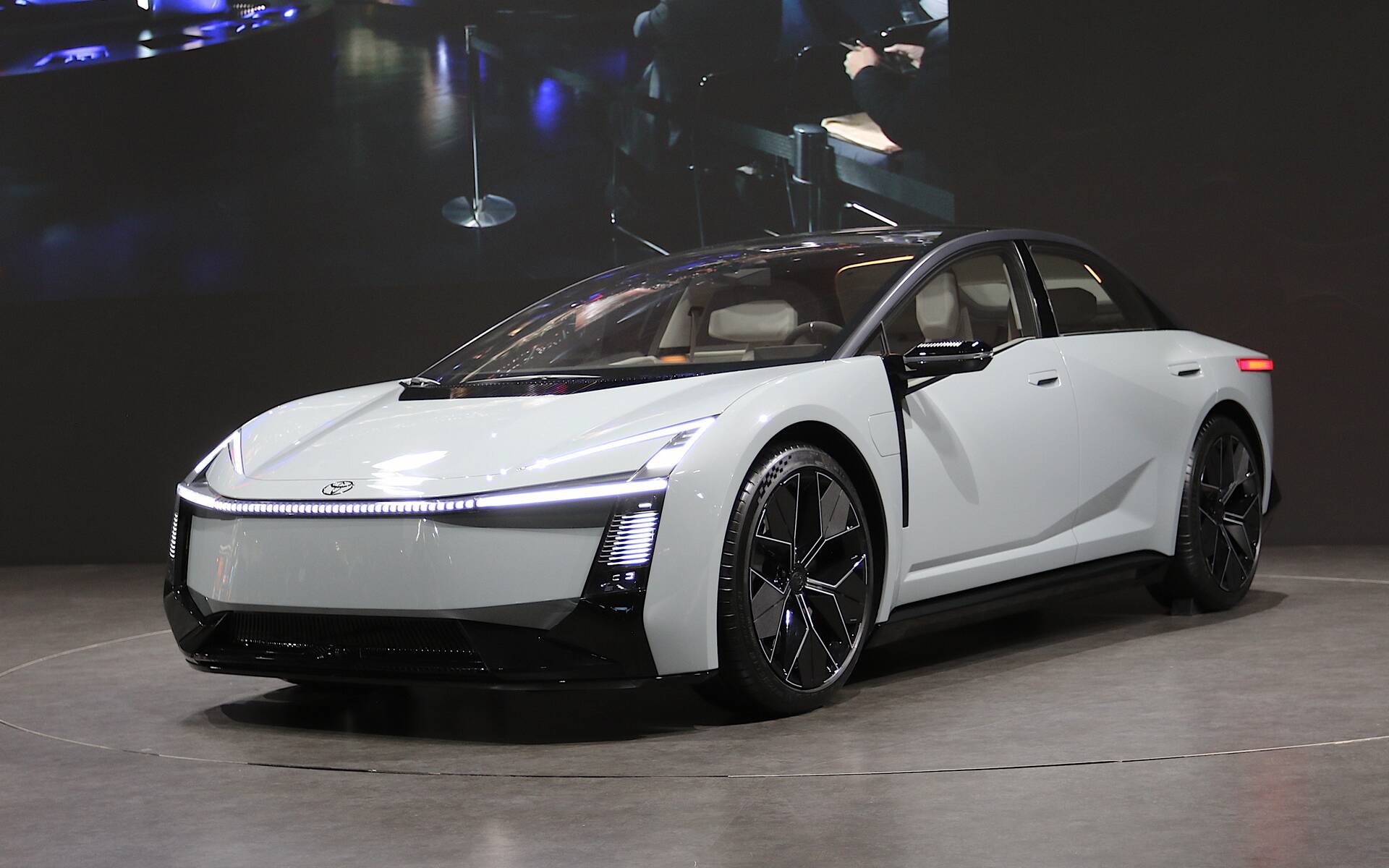
One of the cars that garnered the most attention was undoubtedly the Corolla Concept, a much more dynamic and more aggressive take on the existing compact sedan. Toyota was careful not to explicitly state that the vehicle previews the next generation (likely to arrive for the 2027 model year), but admitted that the platform could accommodate a wide range of powertrains including electric, hybrid, plug-in hybrid and gasoline. That sounds promising, for sure.
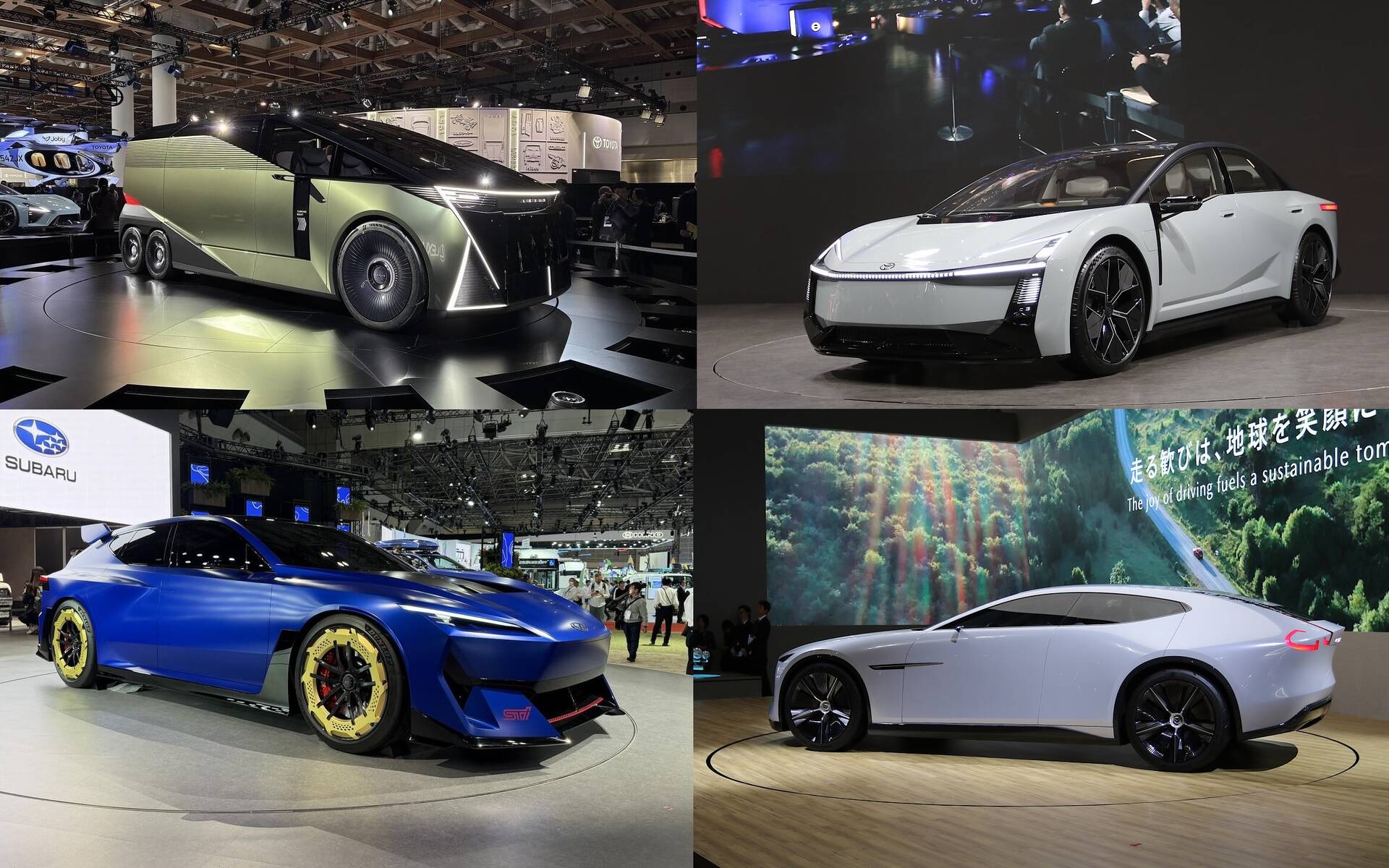
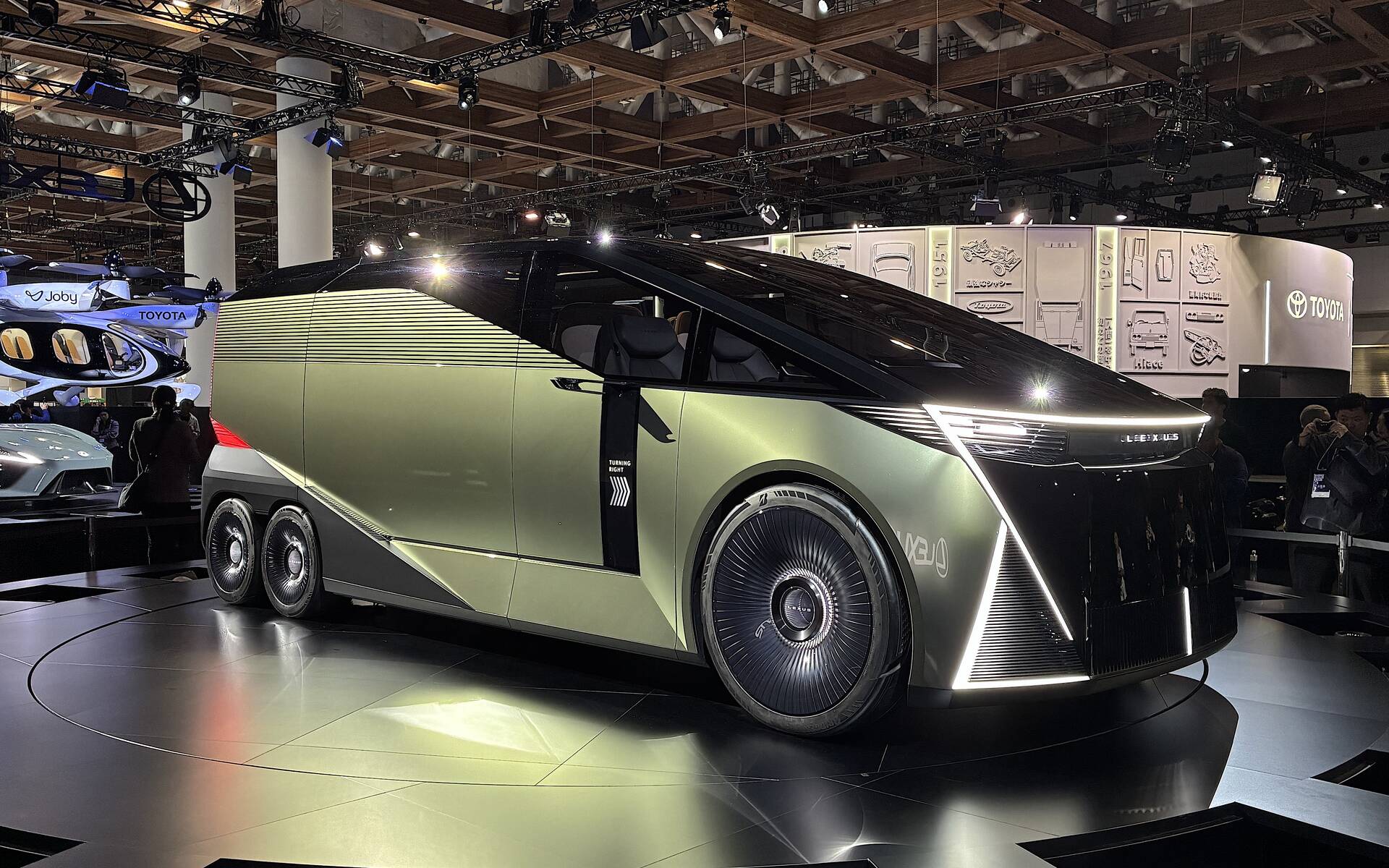
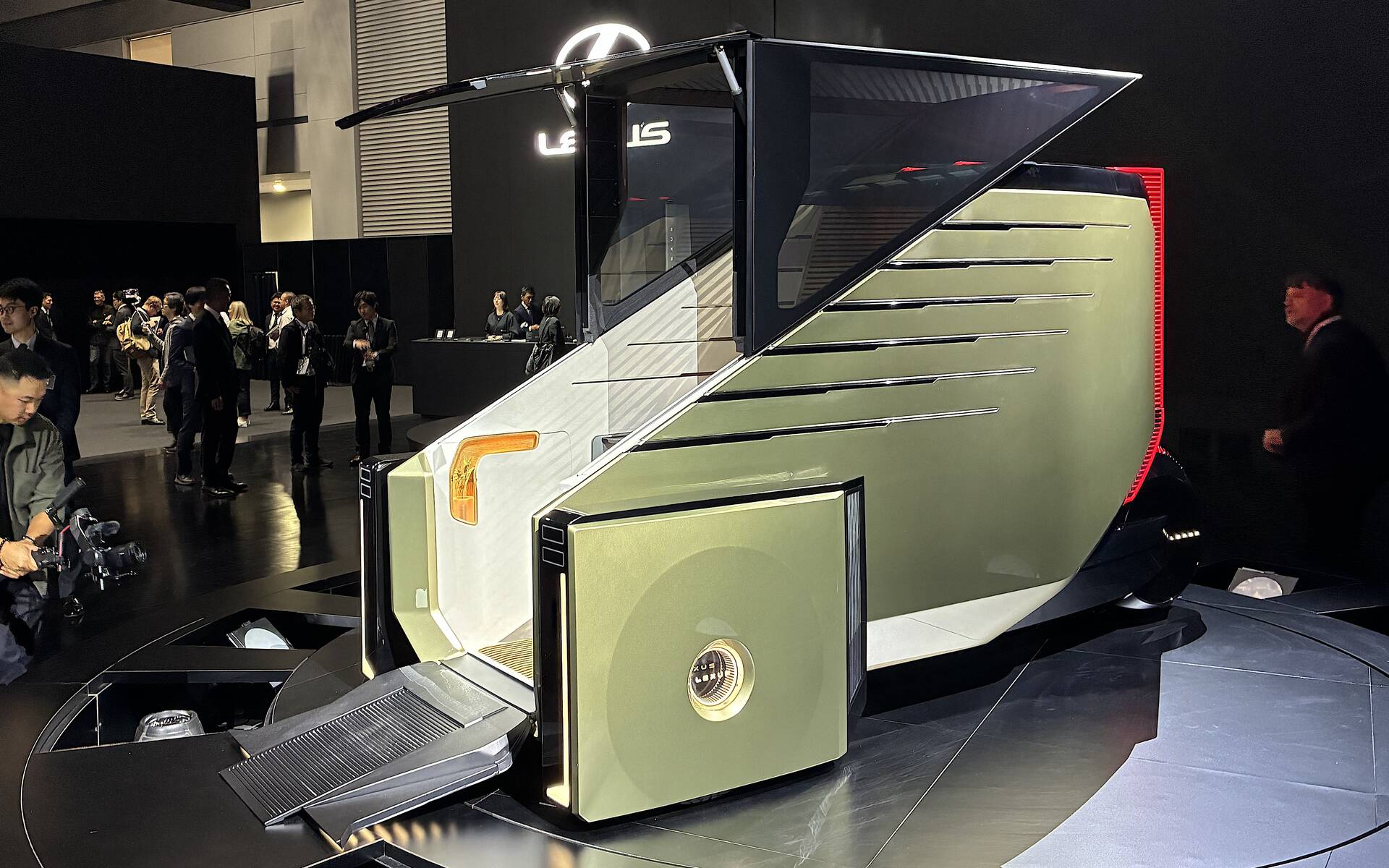
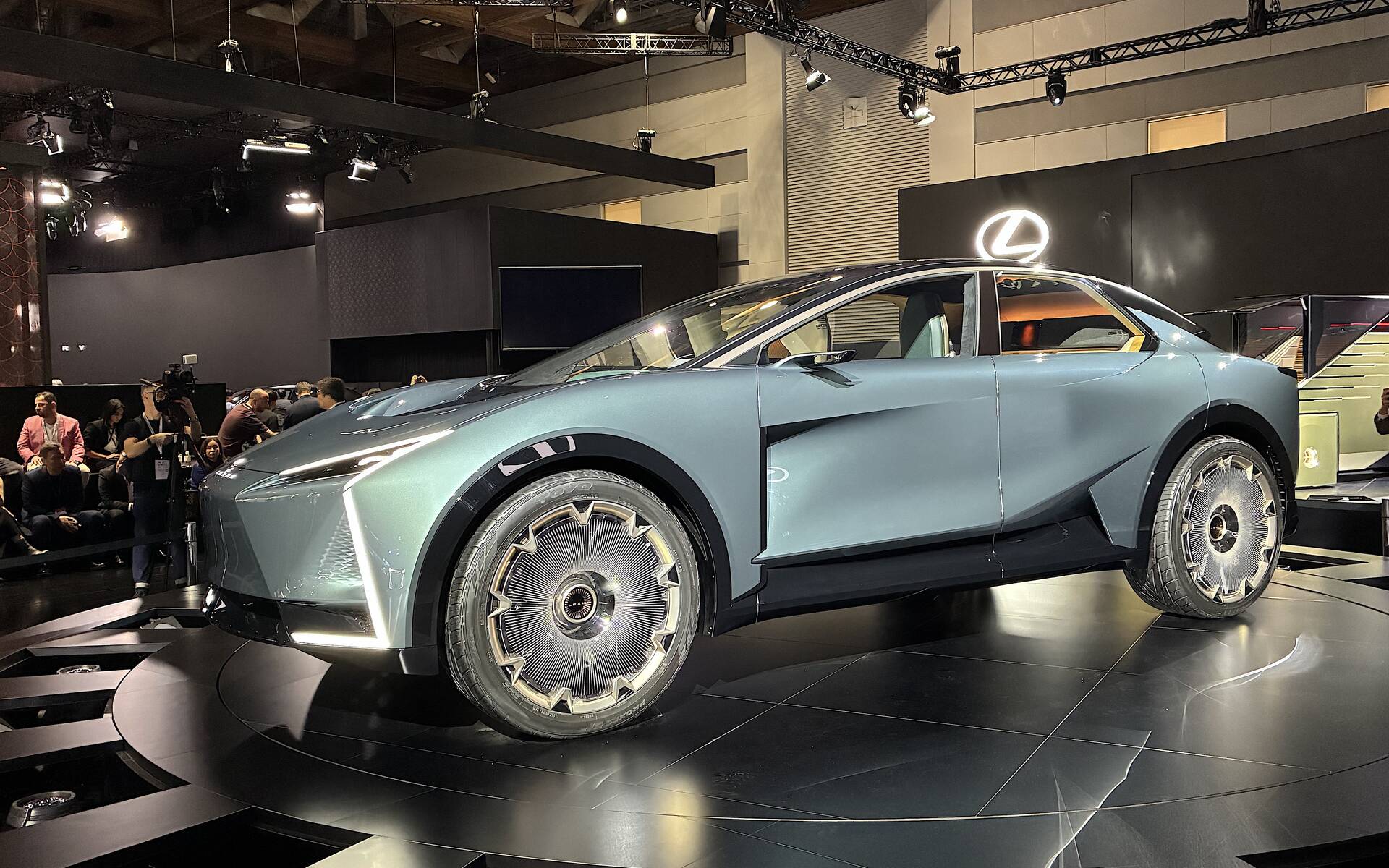
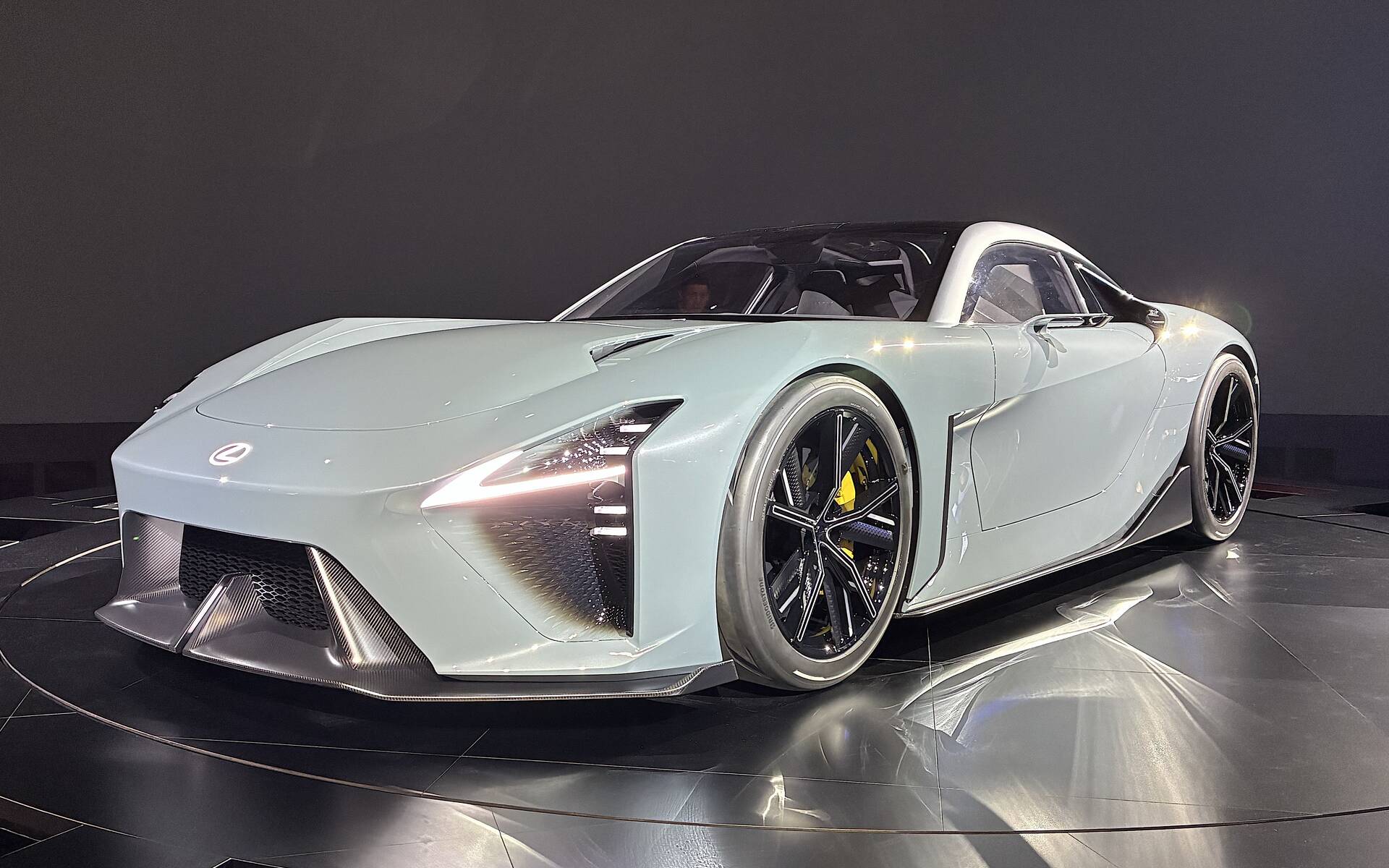
Meanwhile, Toyota’s luxury brand showcased four radical and very different concepts. These include a six-wheeled van (no kidding) featuring an imposing front fascia shaped by LED lights; an urban mobility vehicle with a glass roof that opens like a jewelry box but can only accommodate one occupant; a coupe-style SUV with opposing doors and a drawer system instead of a rear liftgate; and finally a sports car that could herald a replacement for the legendary Lexus LFA, in which the cockpit boasts a different colour from the rest of the interior.
Honda
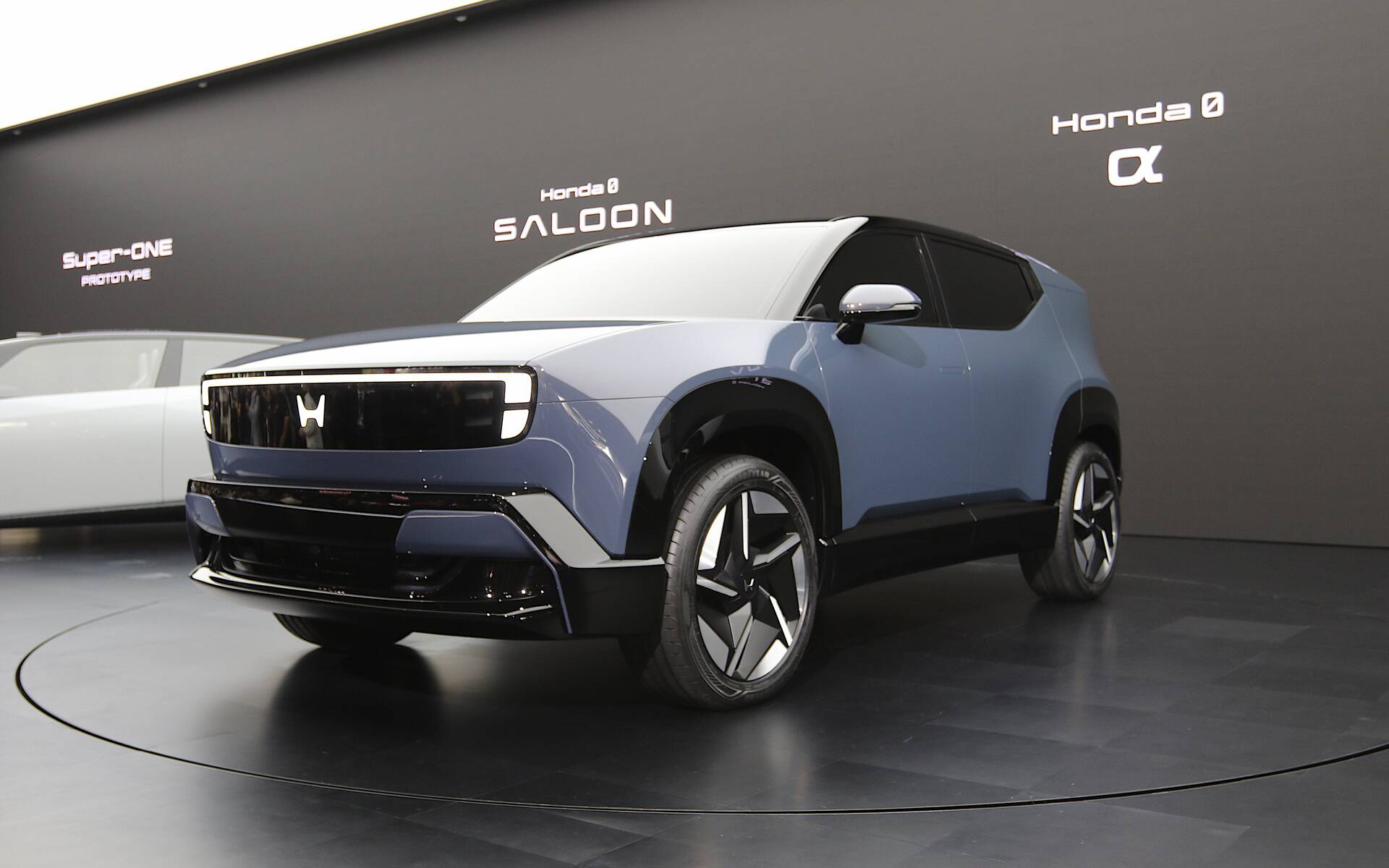
Over at Honda, the 0 α (Alpha) Concept complements the 0 Series by offering a lower stance and adopting a more urban character. It stands out with an integrated screen area at the front and a U-shaped lighting signature at the rear—familiar features that we’ve previously seen on the 0 Saloon and 0 SUV concepts at CES in Las Vegas last January. The production version of the Honda 0 α will be launched globally starting in 2027, but likely not in North America.
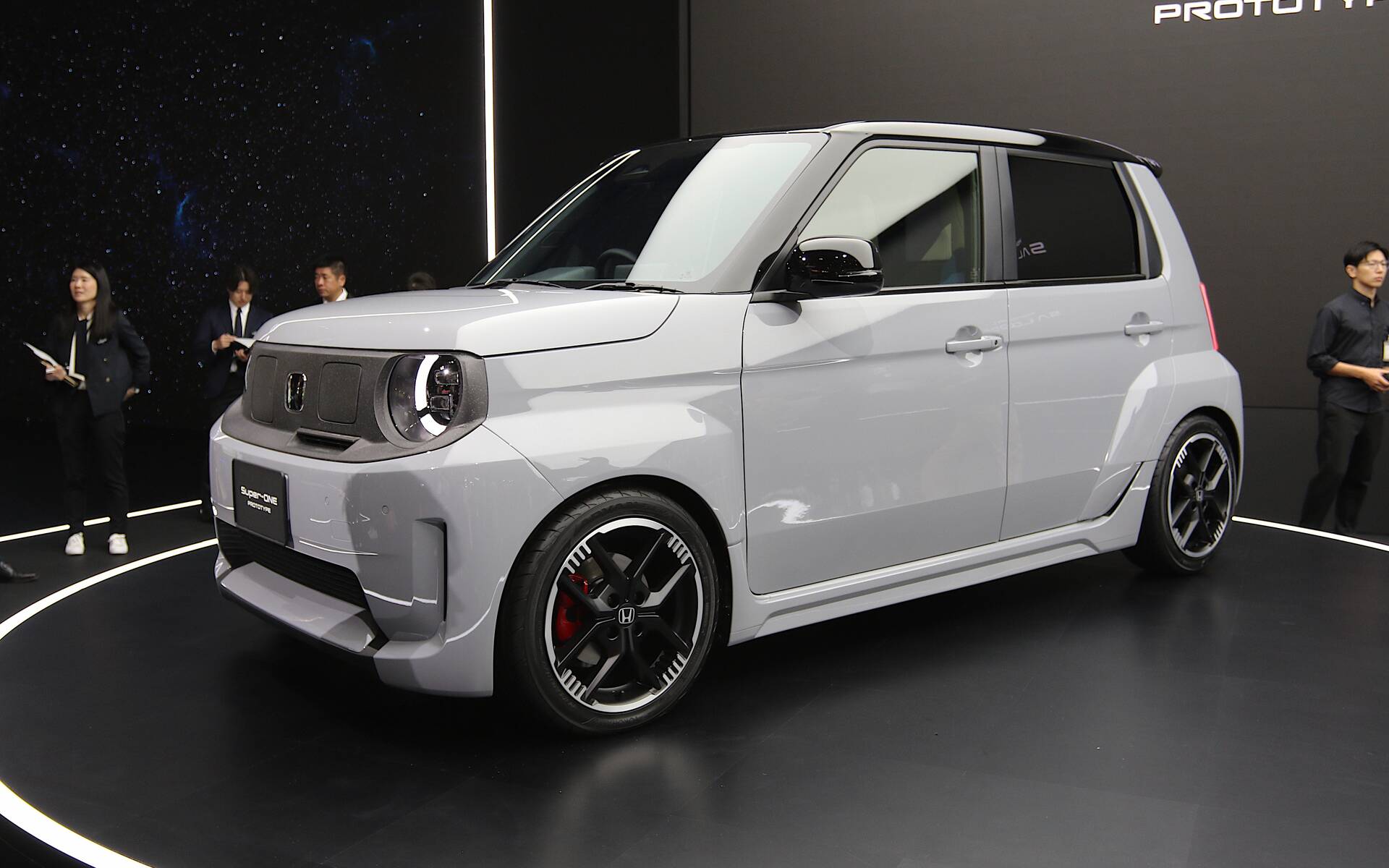
The same goes for the Super-ONE prototype, an electric city car that promises agile and sporty handling thanks in particular to a “Boost” mode increasing the available power while synchronizing two technologies: a simulated seven-speed gearbox and a system that reproduces the sound of a combustion engine.
Mazda
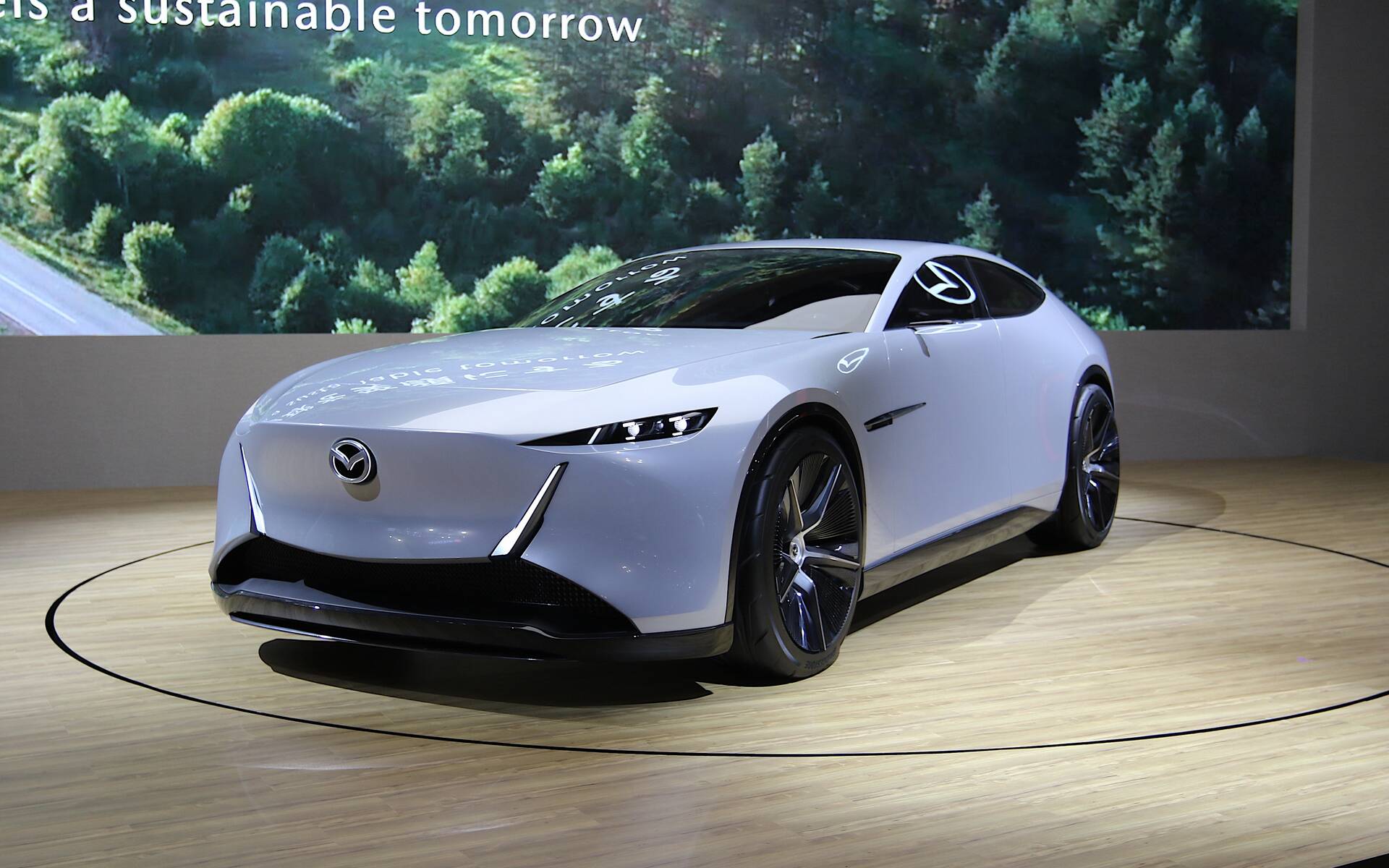
Just as the Mazda Kai Concept unveiled in Tokyo in 2018 foreshadowed the current Mazda3, the Vision X-Coupe Concept presented at the Japan Mobility Show this year could signal the next generation of Mazda’s compact car. The low-slung silhouette is breathtaking, giving the impression of speed even when stopped. The car uses plug-in hybrid technology, more specifically a turbocharged twin-rotor engine paired with an electric motor and battery, delivering 510 horsepower and a pure electric range of approximately 160 km. Another intriguing detail: the rotary engine can run on fuel extracted from microalgae while also harnessing and recycling the carbon dioxide produced in their emission. Can you imagine?
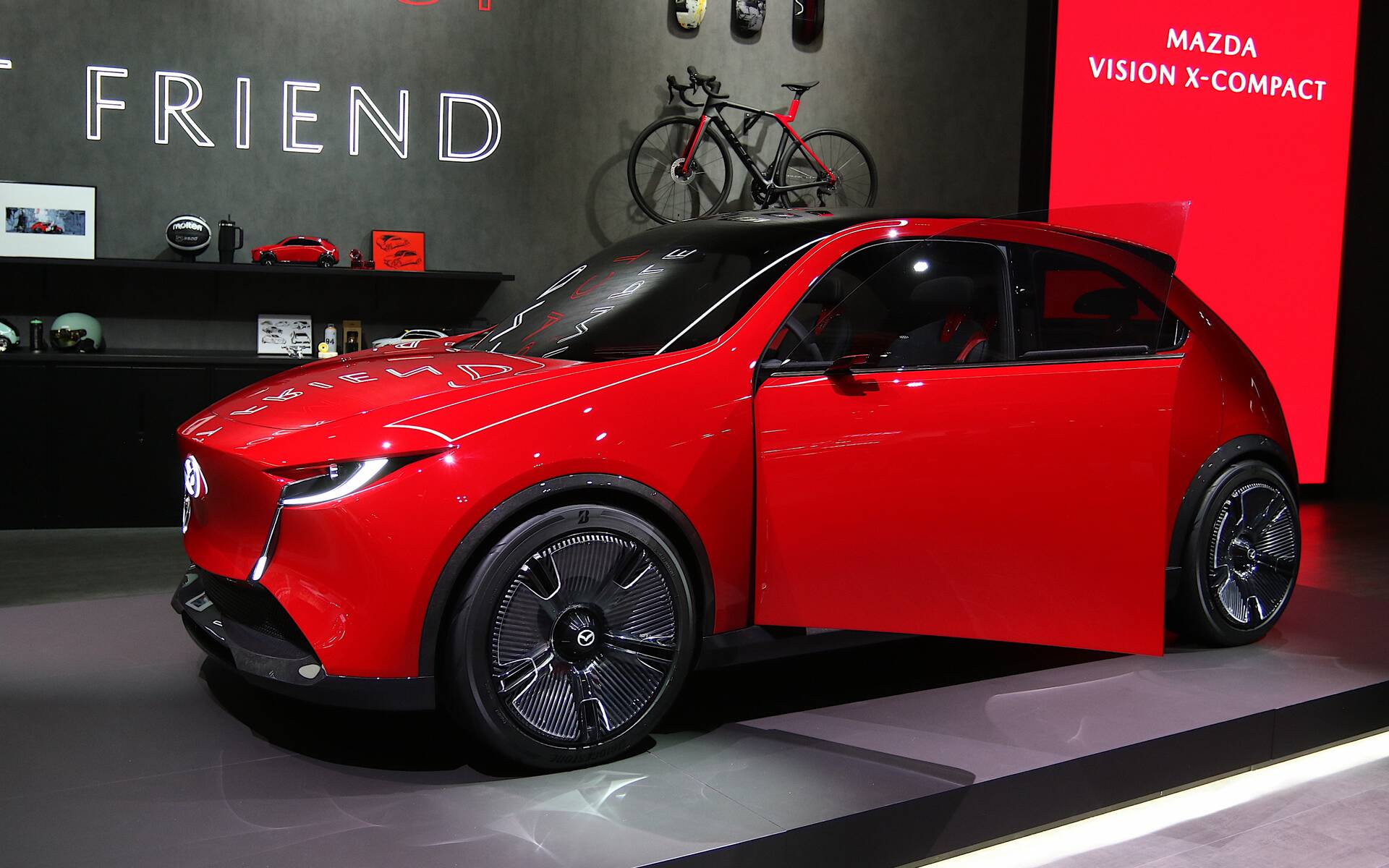
In Tokyo, Mazda also introduced the Vision X-Compact Concept, a cute-looking hatchback incorporating artificial intelligence. Since driving pleasure remains central to the Mazda experience, it can learn the driver’s habits and then suggest the most fun routes to their destination. Sadly, there’s little to no chance this concept will ever become a reality.
Subaru
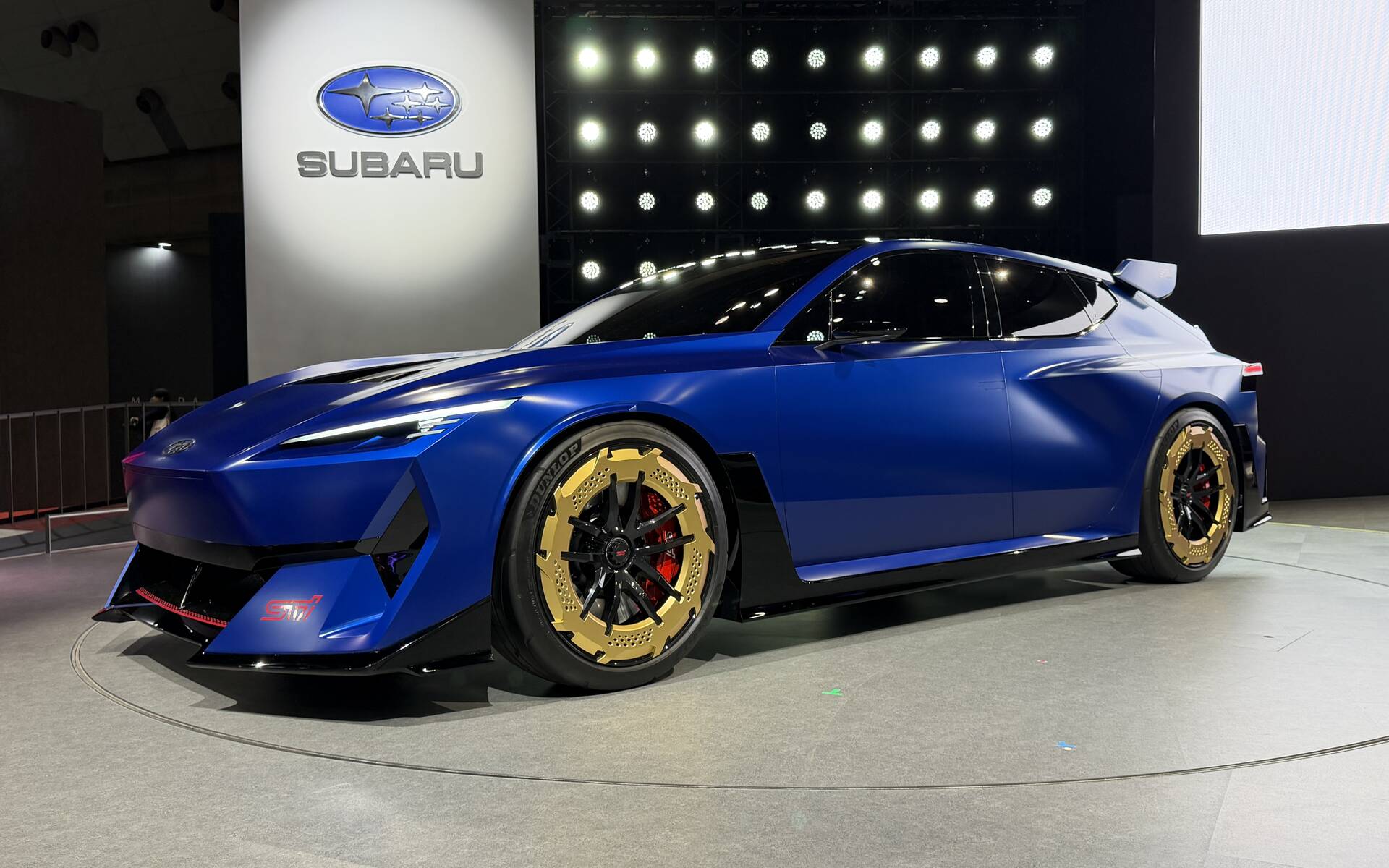
Two stunning cars at the Subaru booth have rekindled fans’ hopes for the return of a WRX STI. First, the Performance-E STI Concept showcases Subaru’s vision of performance for future electrified vehicles, emphasizing driving pleasure and handling. The aggressively styled body, iconic blue paint, gold-accented wheels and fresh interpretation of the STI’s signature large rear wing combine to make a powerful statement.
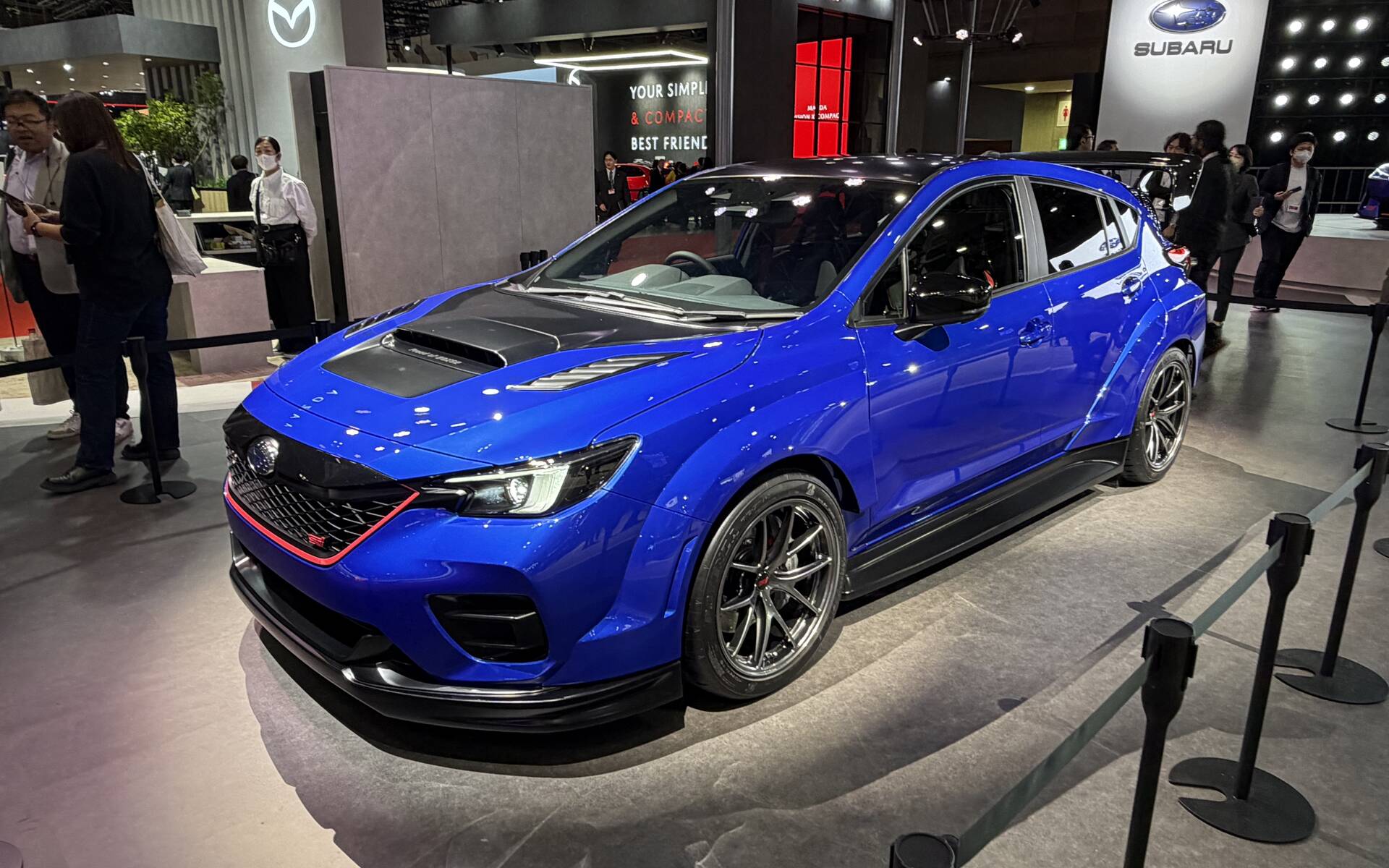
As for the Performance-B STI Concept, which is based on the current Impreza but with flared fenders, lowered ground clearance and a huge spoiler at the top of the liftgate, it pairs a turbocharged Boxer engine with a manual transmission. That wouldn’t be so hard to put on the road, would it?
Mitsubishi
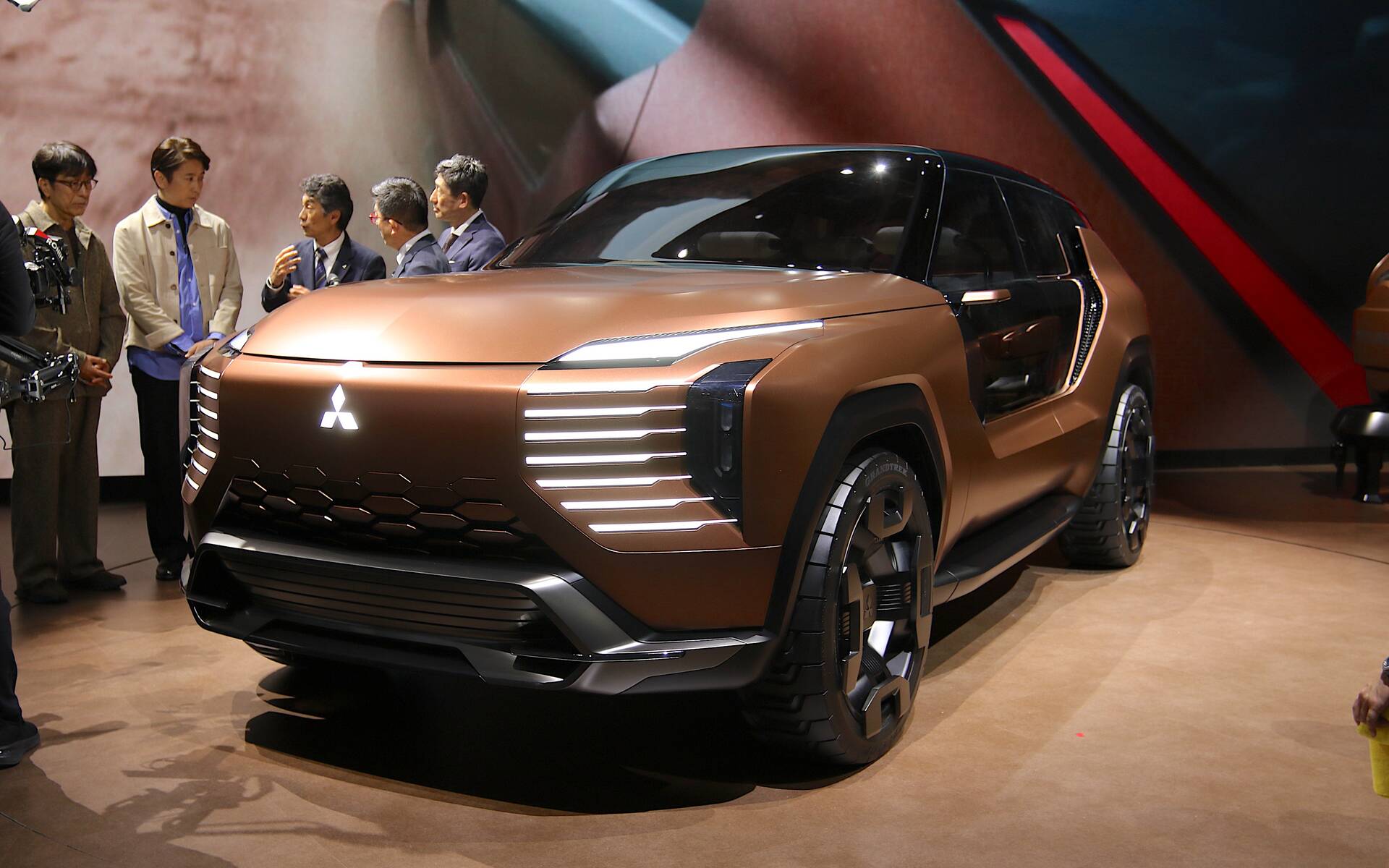
Finally, Mitsubishi dazzled the crowd in Tokyo with its Elevance Concept. Some familiar features are reminiscent of the current-generation Outlander, and the powertrain is a PHEV system not unlike the one already available in the compact SUV. However, this vehicle pushes the envelope when it comes to styling and adventure. Four electric motors drive the wheels, and a combustion engine that can run on carbon-neutral fuel charges the battery on the go. This battery also has the capacity to power a campsite or trailer. As a reminder, Mitsubishi will launch its first electric model since the late i-MiEV by mid-2026, and it will be a clone of the new Nissan LEAF.