10 Vehicles That Disappeared in the Last 10 Years We’d Like to Have Back

Every year, new vehicles arrive and others bow out. Among the latter, some are dearly missed, while the rest are easier to forget.
But, as the automotive industry has proven time and time again, the dead are never completely gone. A few make a comeback, sometimes in a different form, or maybe just a name.
Filled with a mix of nostalgia and hope, we’ve decided to make a list of 10 vehicles that were discontinued in the last 10 years and that we would like to see again. Feel free to tell us what you think of our choices.
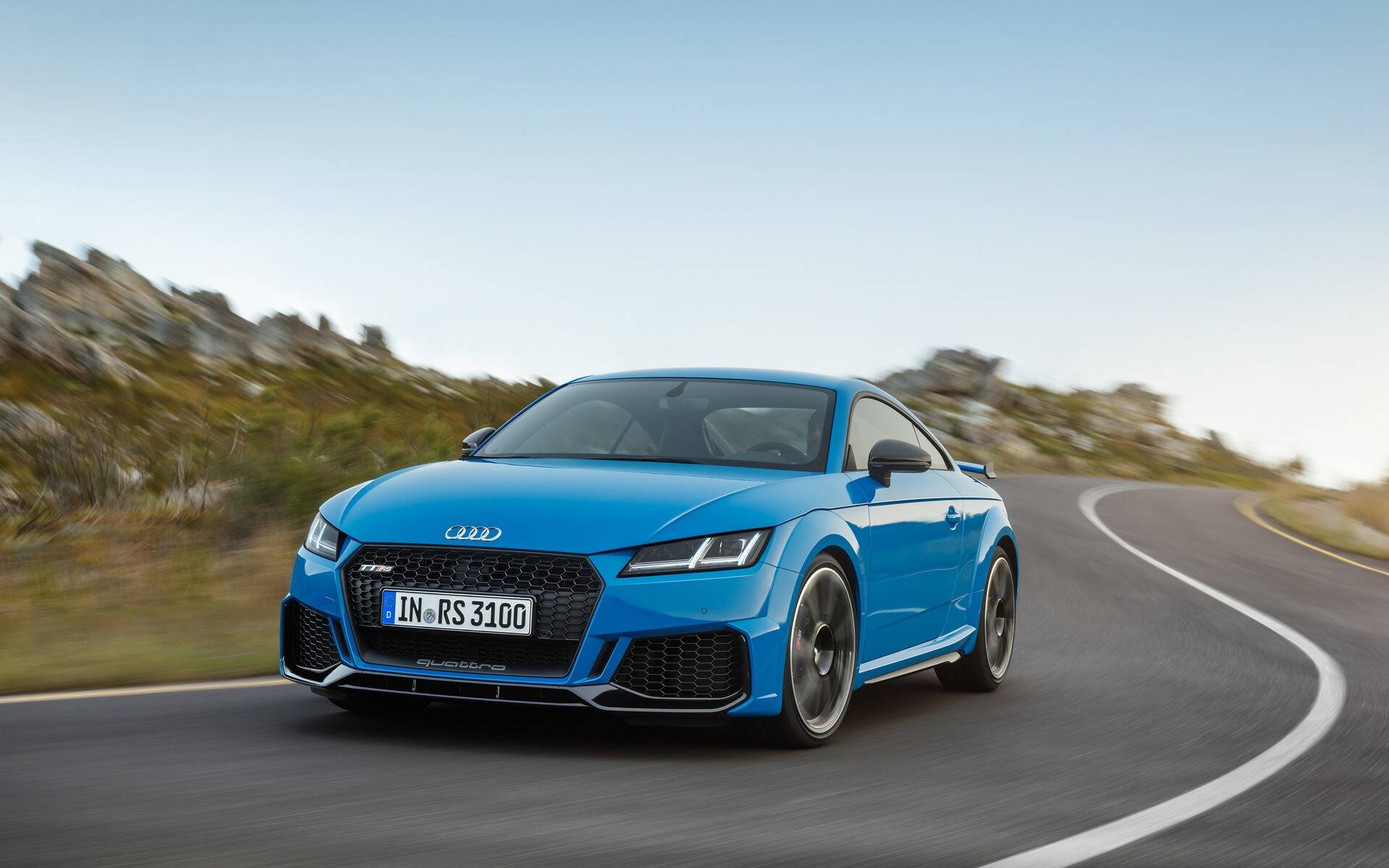
Audi TT
Audi no longer has a true sports car in its lineup since the R8 and TT were discontinued after the 2023 model year. For a long time, rumours had it that the former would get an electric replacement. However, it seems the TT will get that treatment instead. The company is set to unveil a new electric sports car in Munich in September, already referred to as the “TT Moment 2.0,” suggesting the model will be as important and emotional as the small coupe that was originally launched in the late 1990s. Excited yet?
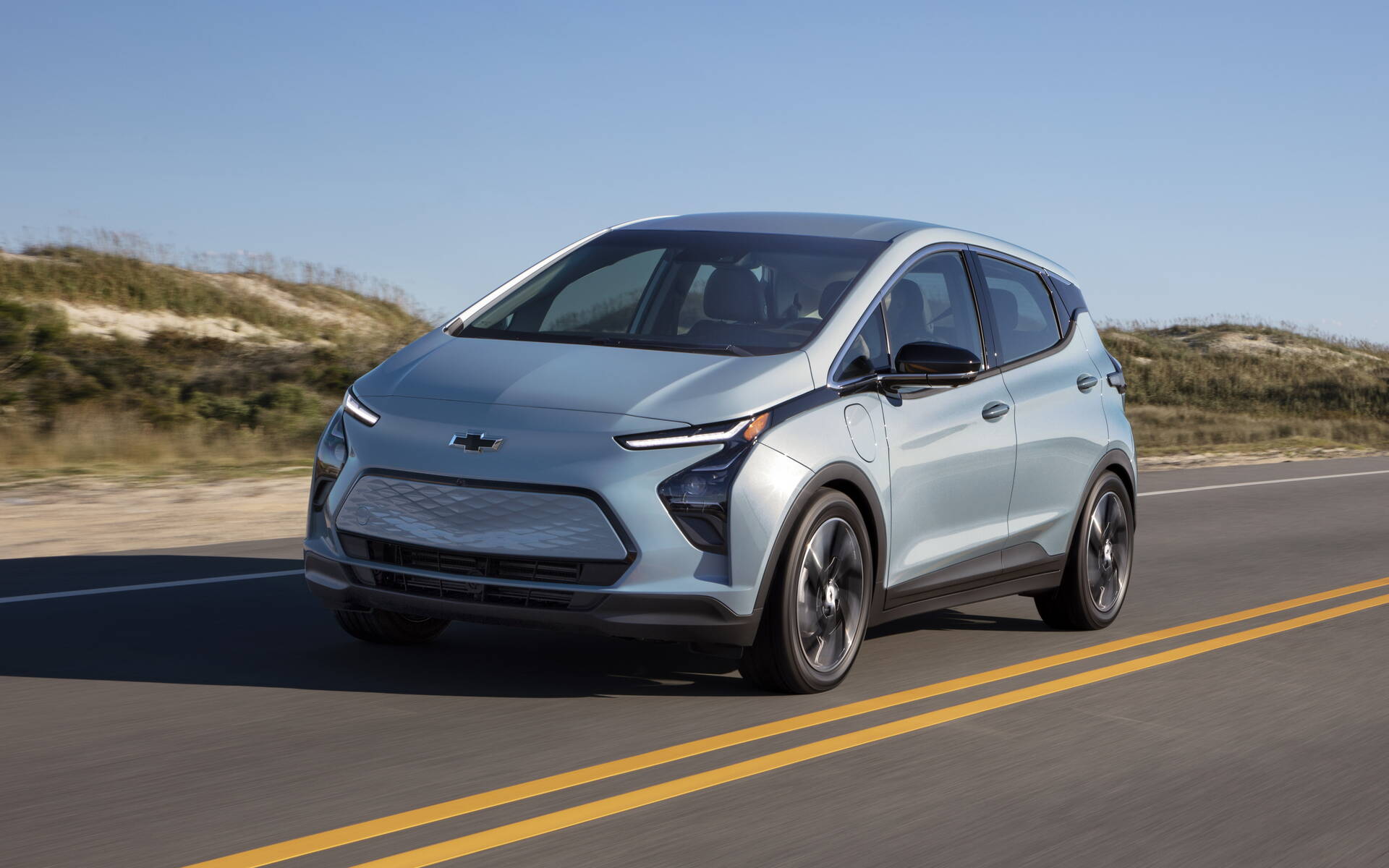
Chevrolet Bolt EV
Sold from 2017 to 2023, the Chevrolet Bolt EV helped tens of thousands of consumers make the transition to long-range electric vehicles without paying a high price. Unfortunately, battery problems and a massive recall tarnished its reputation and hastened its retirement. But in a market where vehicles are becoming increasingly expensive and government incentives are decreasing or even disappearing, we can’t wait for its return. Chevrolet will launch a new generation in 2026 as the 2027 model and it will be, they say, “better than ever.”
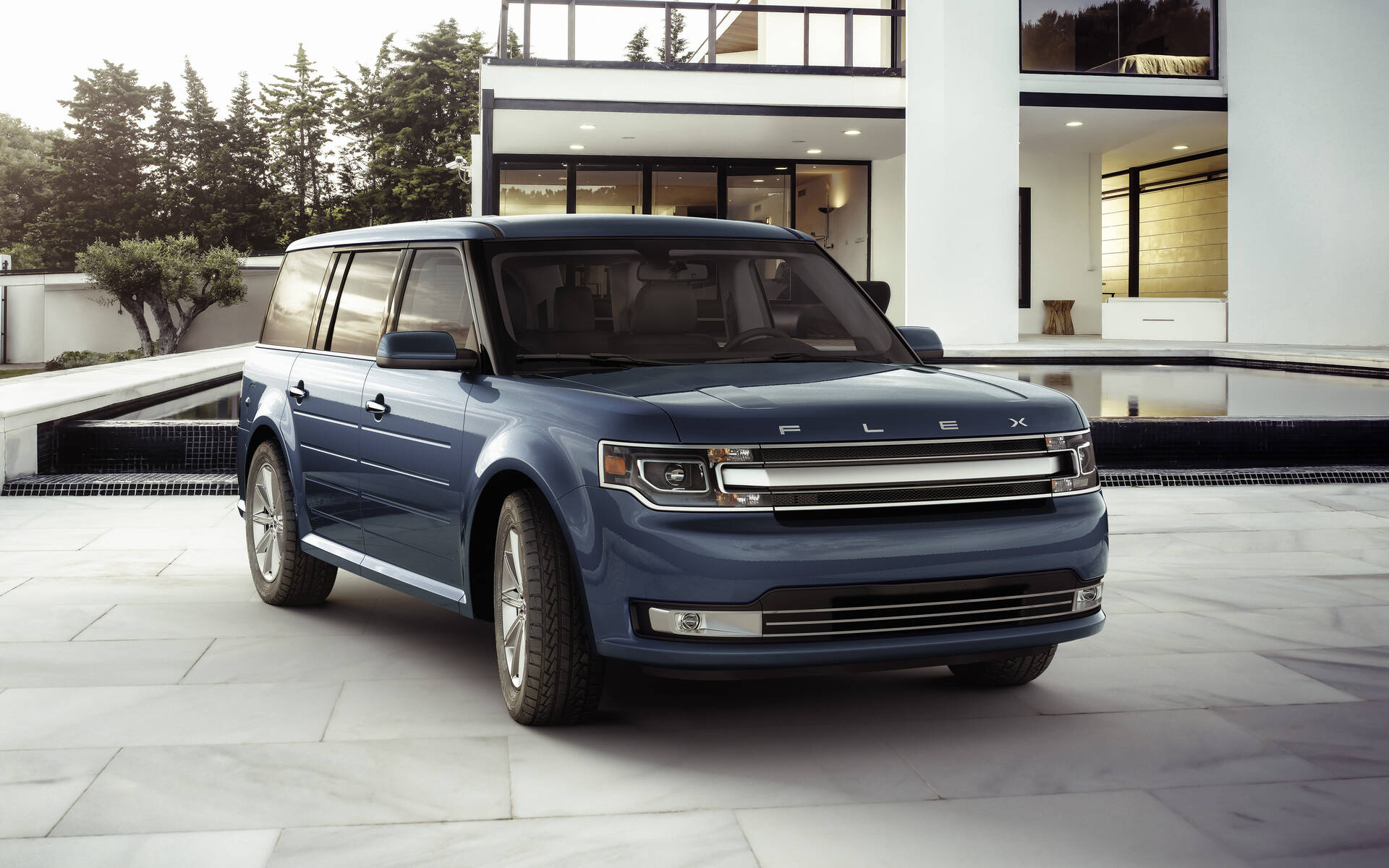
Ford Flex
Minivans are not going extinct, as evidenced by their rising Canadian sales so far in 2025. The Flex was the closest thing to a minivan Ford had in recent years, but it was eliminated in 2019. However, with the recent departure of the Edge midsize SUV and the success of the new Hyundai Santa Fe that seems to replicate its design, we can easily imagine a return of the Flex. Again with a V6 and a towing capacity of up to 4,500 lbs? Why not?
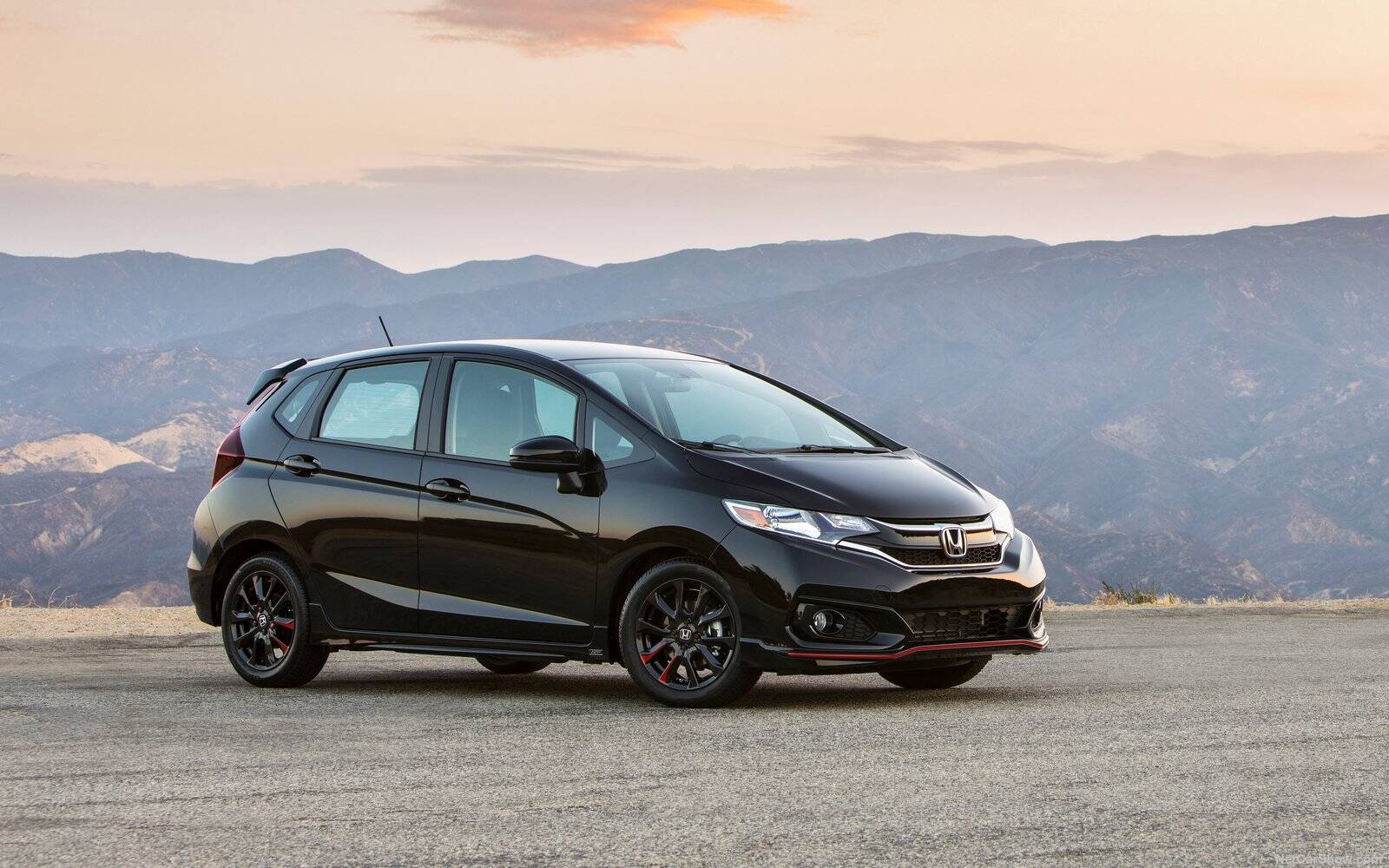
Honda Fit
Subcompact cars have given way to subcompact crossovers, which are a bit more profitable for manufacturers. It’s a shame, because we really miss the Fit. The Civic’s smaller sibling was one of the most spacious and most versatile cars in its class thanks to a clever rear seat system called Magic Seat. And let’s not forget the 130-horsepower engine, which was one of the most powerful and most fuel-efficient in the segment, as well.
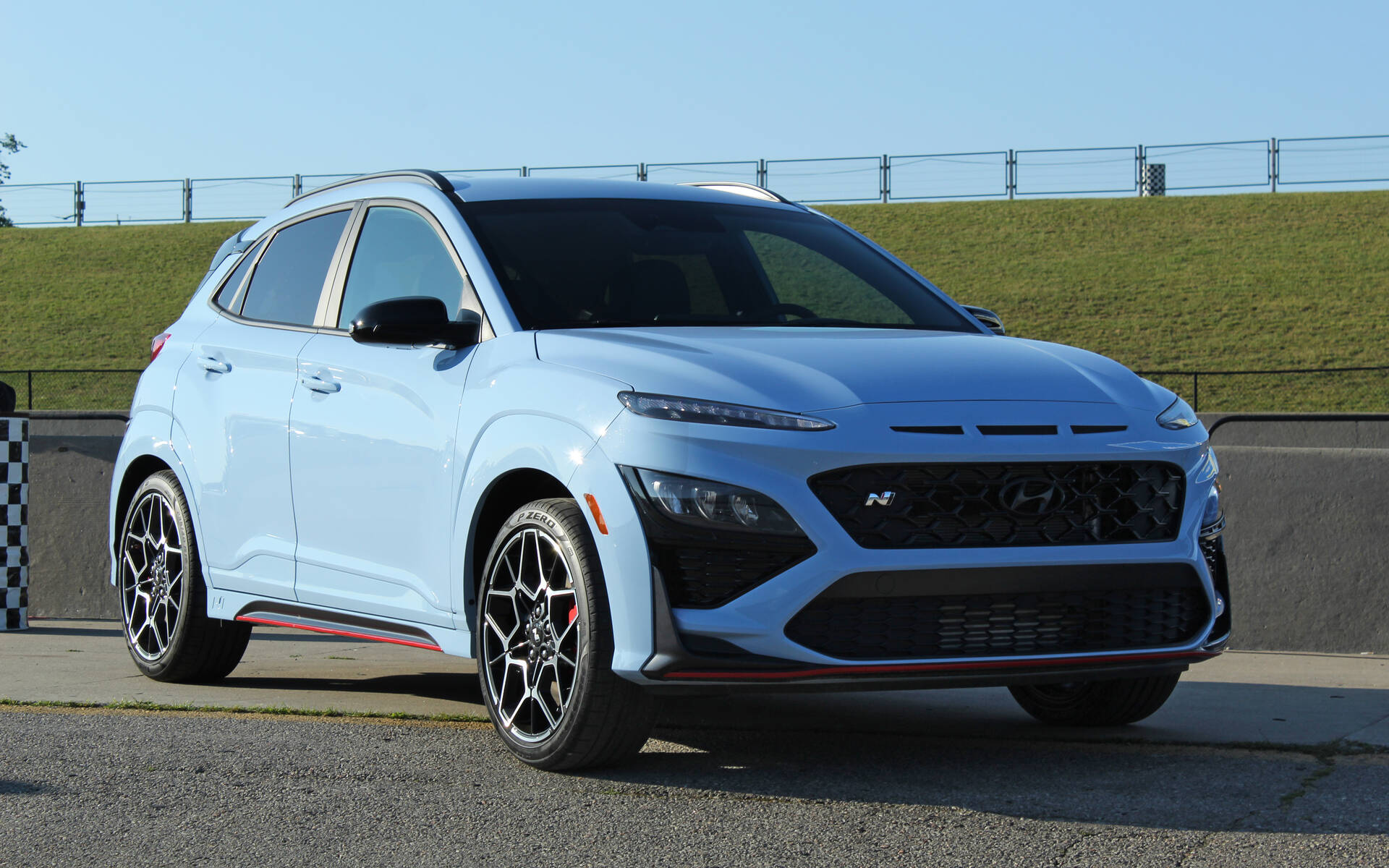
Hyundai Kona N
The latest Kona impresses with its eye-catching design and roomier cabin and trunk. Unfortunately, Hyundai hasn’t brought back the high-performance Kona N, which could accelerate from 0-100 km/h in just 5.5 seconds thanks to a 276-horsepower turbo engine, but ultimately lasted only two years (2022-2023). The automaker prefers to keep the N sauce for electric models (IONIQ 5 and IONIQ 6) and even a compact sedan (Elantra). We don’t understand why.
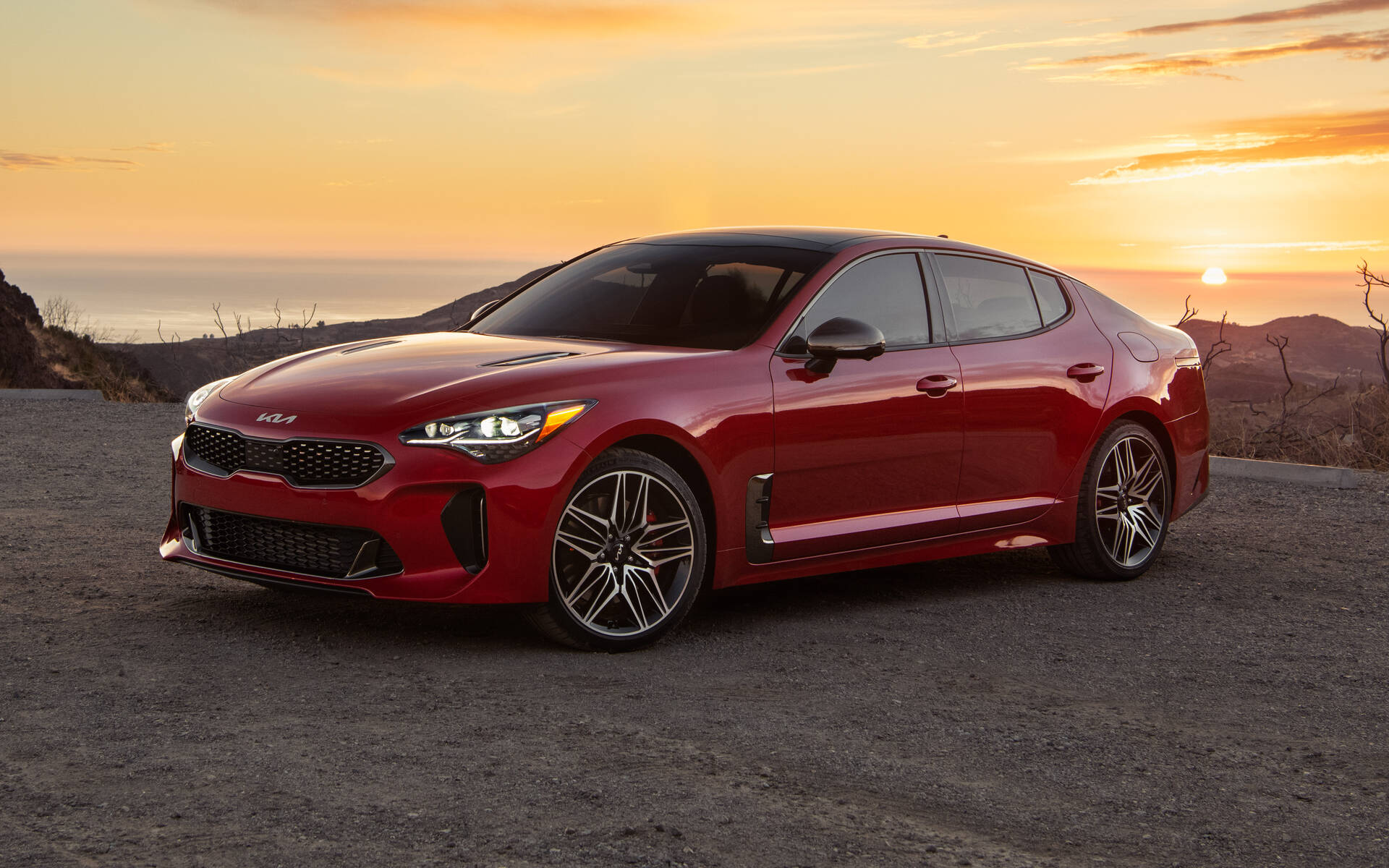
Kia Stinger
Large sedans from mainstream brands are a thing of the past, which kind of makes sense. But with its sporty design, practical rear hatch and twin-turbo 3.3-litre V6 producing 368 horsepower, the Stinger is the one we’d most like to see revived. Rumours of an electric replacement have largely faded since the end of the EV6 GT’s short-lived run.
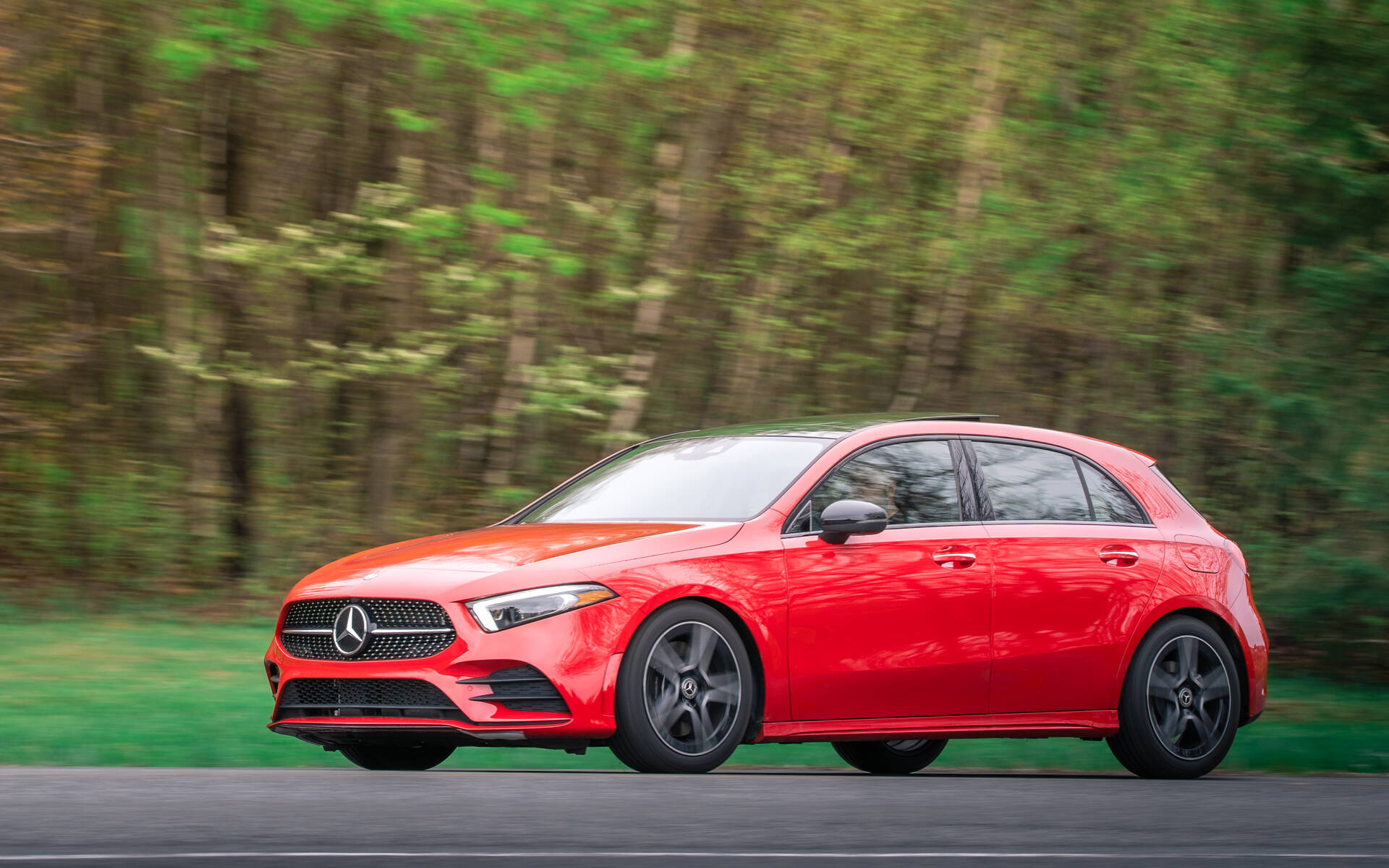
Mercedes-Benz A-Class
Mercedes-Benz got rid of its entry-level cars a few years ago, specifically the A-Class and B-Class. Some might say it was a mistake, especially considering the former was voted as a “Best Buy” in its class by The Car Guide three years in a row from 2020 to 2022. It was sold in Canada for four years only. We still miss its sexy hatchback variant. The completely redesigned 2026 CLA will be the first in a long line of models using the new MMA modular platform. What if the A-Class came along?
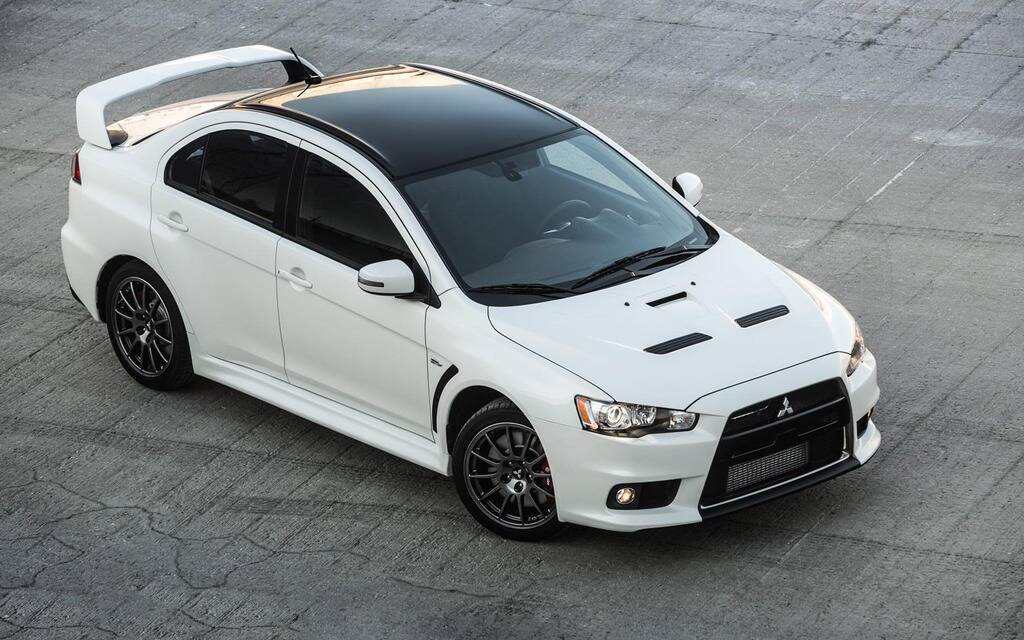
Mitsubishi Lancer Evolution
Renowned for its durability and unbeatable warranty, the Lancer bowed out in 2017. A year earlier, Mitsubishi discontinued its Evolution and Ralliart models. Since then, the Japanese brand has been focusing on SUVs, and its current lineup is sorely lacking in excitement. A reincarnation of the Lancer Evo could rival the Hyundai Elantra N, Subaru WRX, Volkswagen Golf R and Toyota GR Corolla. At the very least, the name should be revived.
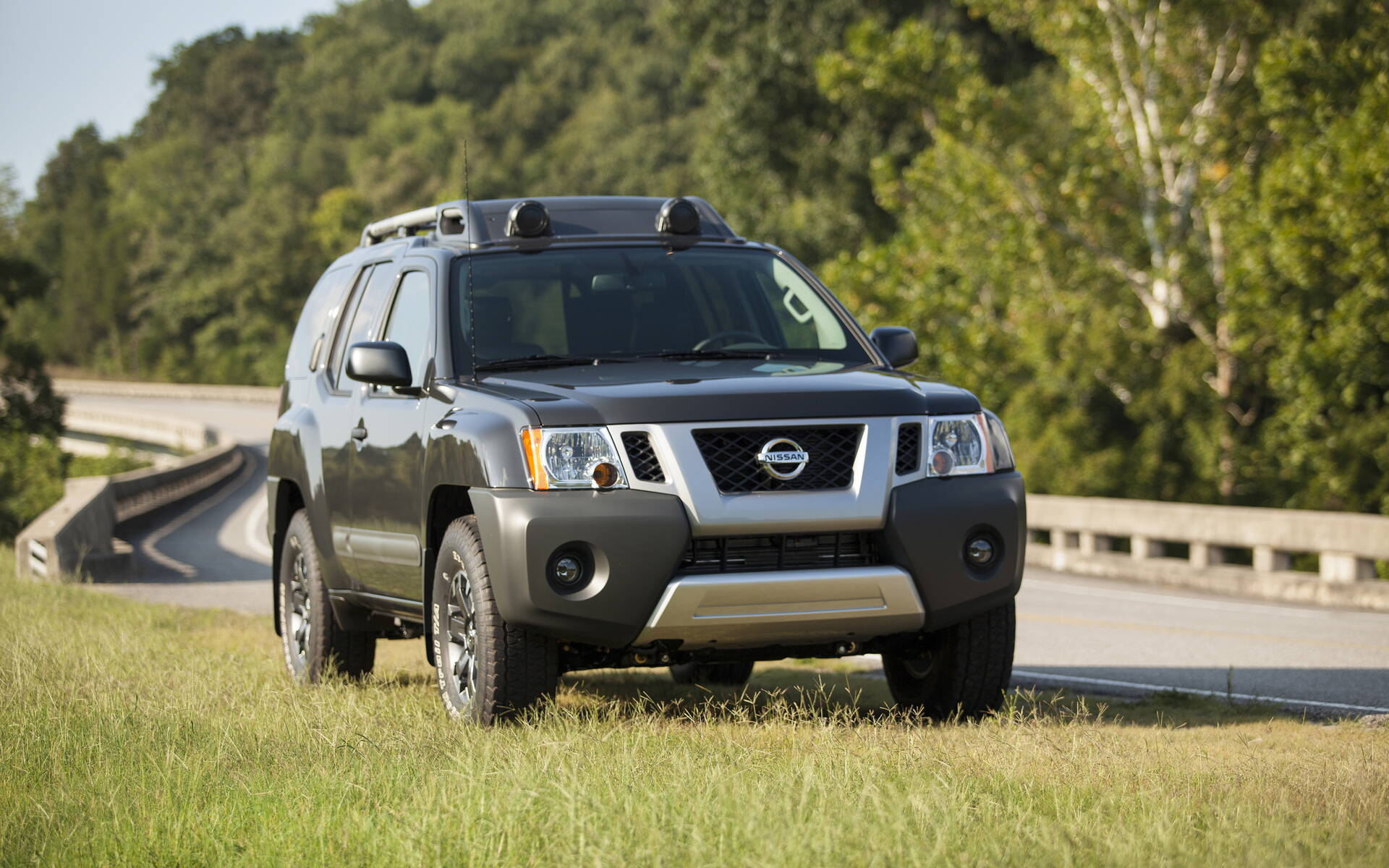
Nissan Xterra
This one will most certainly return in the near future. New Nissan Americas CEO Christian Meunier has made it one of his priorities. With rugged and adventurous SUVs becoming increasingly popular among Canadian and American drivers, the next-generation Xterra should be a hit. We don’t know all the details surrounding the return of the Japanese 4×4, but it’s clear that the first two generations will serve as inspiration for this future rival to the Jeep Wrangler, Ford Bronco and Toyota 4Runner.
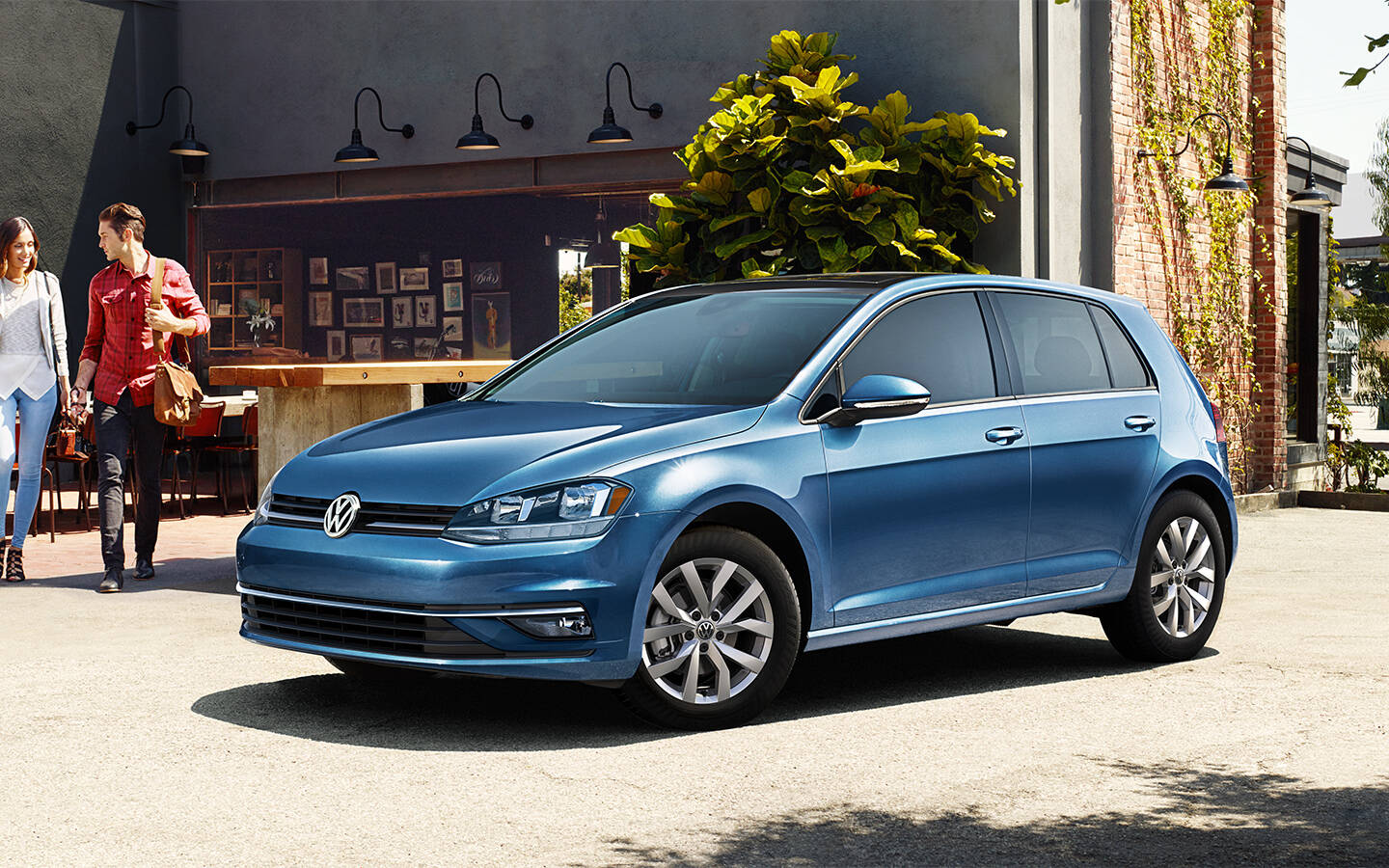
Volkswagen Golf
A few years ago, Volkswagen bid farewell to the iconic Beetle, then the venerable Passat. The company also decided to stop selling the standard Golf in North America, keeping only the sporty GTI and R models. The only other car left now is the Jetta, because Americans prefer sedans. In Quebec, many people miss having an affordable Golf. That one remains available in Europe, but get this: production will move from Germany to Mexico in 2027. A return to Canada could be possible at that time.