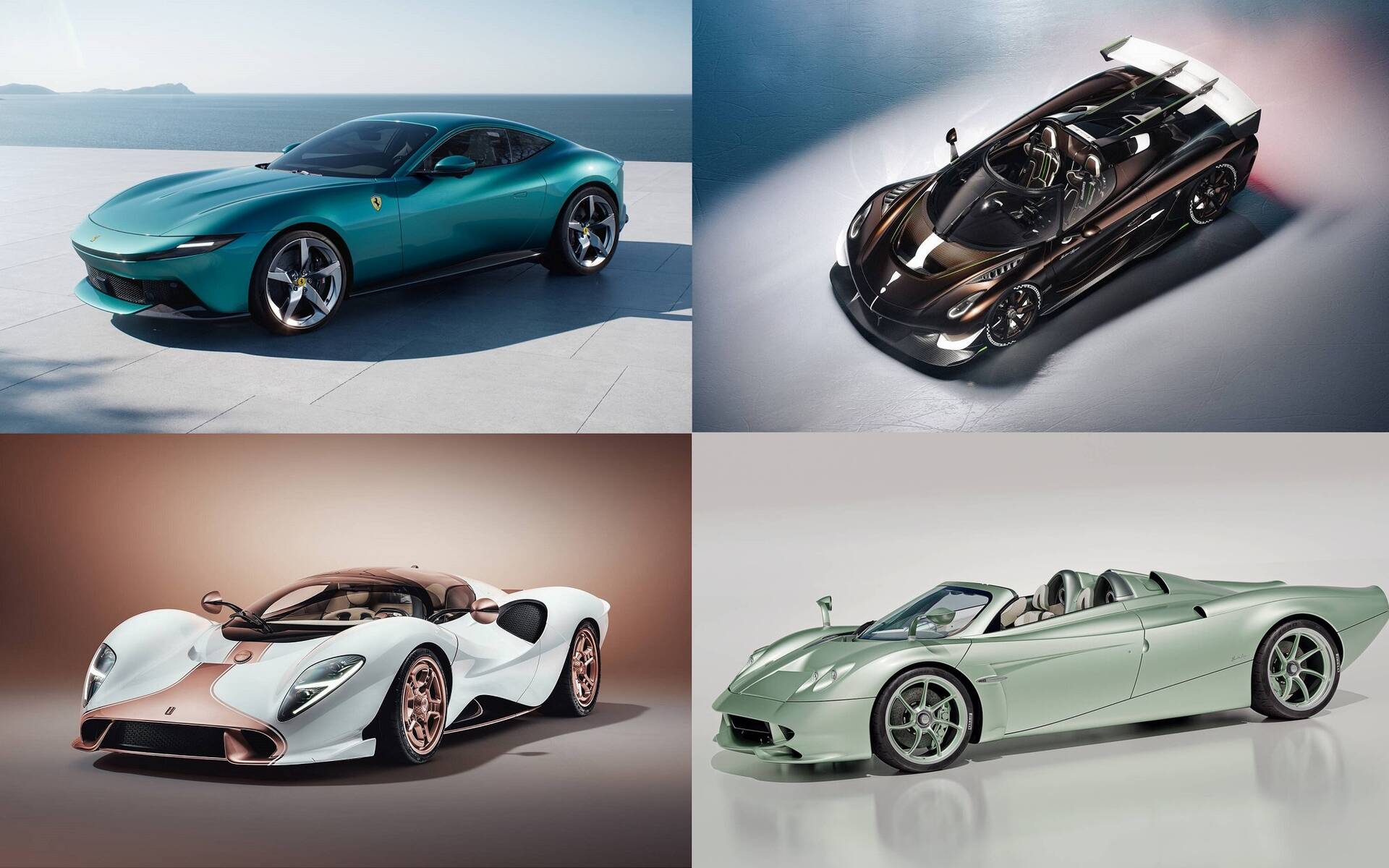
Four New World-Class Sports Cars You Need to See

Many vehicles out there are designed for the common buyer, others not so much, while a few are completely out of reach… unless you win the lottery, of course!
In recent weeks, we’ve seen automakers introduce yet more exceptional new sports cars and supercars—you know, the type that dreams are made of. Some either debuted or starred at the prestigious Goodwood Festival of Speed in the U.K. in early July. Four of them are presented below. Which one is your favorite?
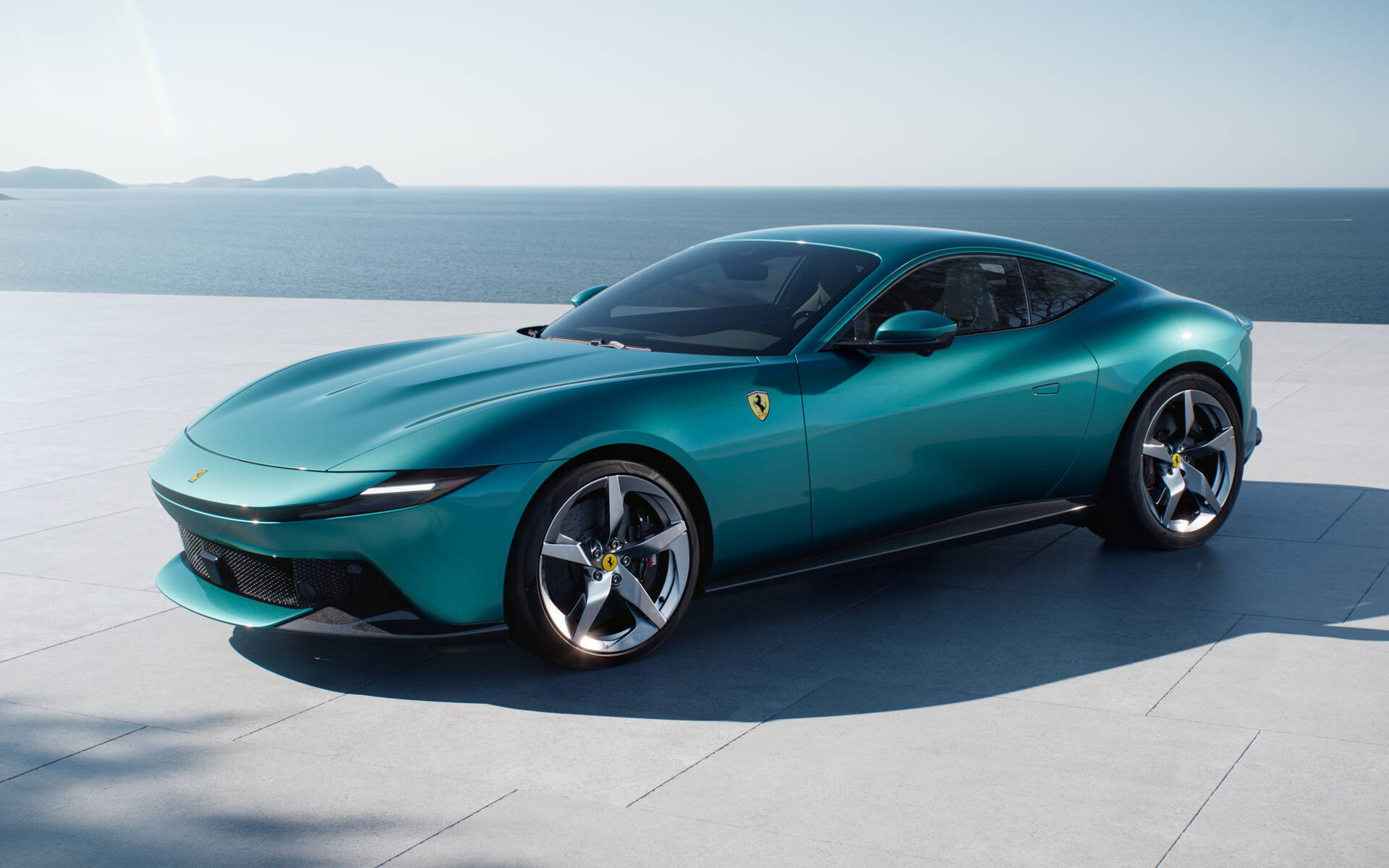
Ferrari Amalfi
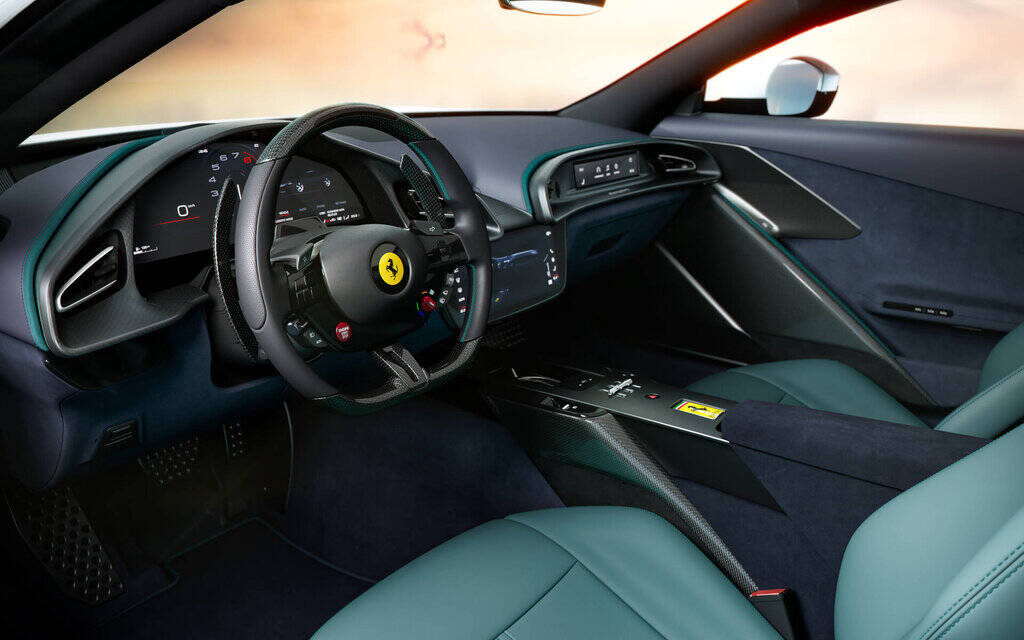
The successor to the Roma boasts a very similar design and proportions from one end to the other, but a notable change is the shark-nose front fascia with a black bar connecting the slim headlamps, reminiscent of the 12Cilindri. Inside, the dashboard has been redesigned and the new layout is both more modern and simpler. There are four seats, although the rear ones should only be used in a pinch.
The Amalfi carries over Ferrari’s twin-turbocharged 3.9-litre V8, except that it now produces 631 hp instead of 612 hp and sprints from 0-100 km/h in 3.3 seconds—one tenth of a second quicker than the Roma. The new brake-by-wire system is borrowed from the 12Cilindri and 296, and an active rear spoiler deploys at high speed to enhance the car’s stability.
Deliveries of the Amalfi may not begin until 2027, as Ferrari already has its hands full with orders for its other models. Incidentally, only the coupe has been unveiled, but expect an Amalfi Spider convertible to follow soon.
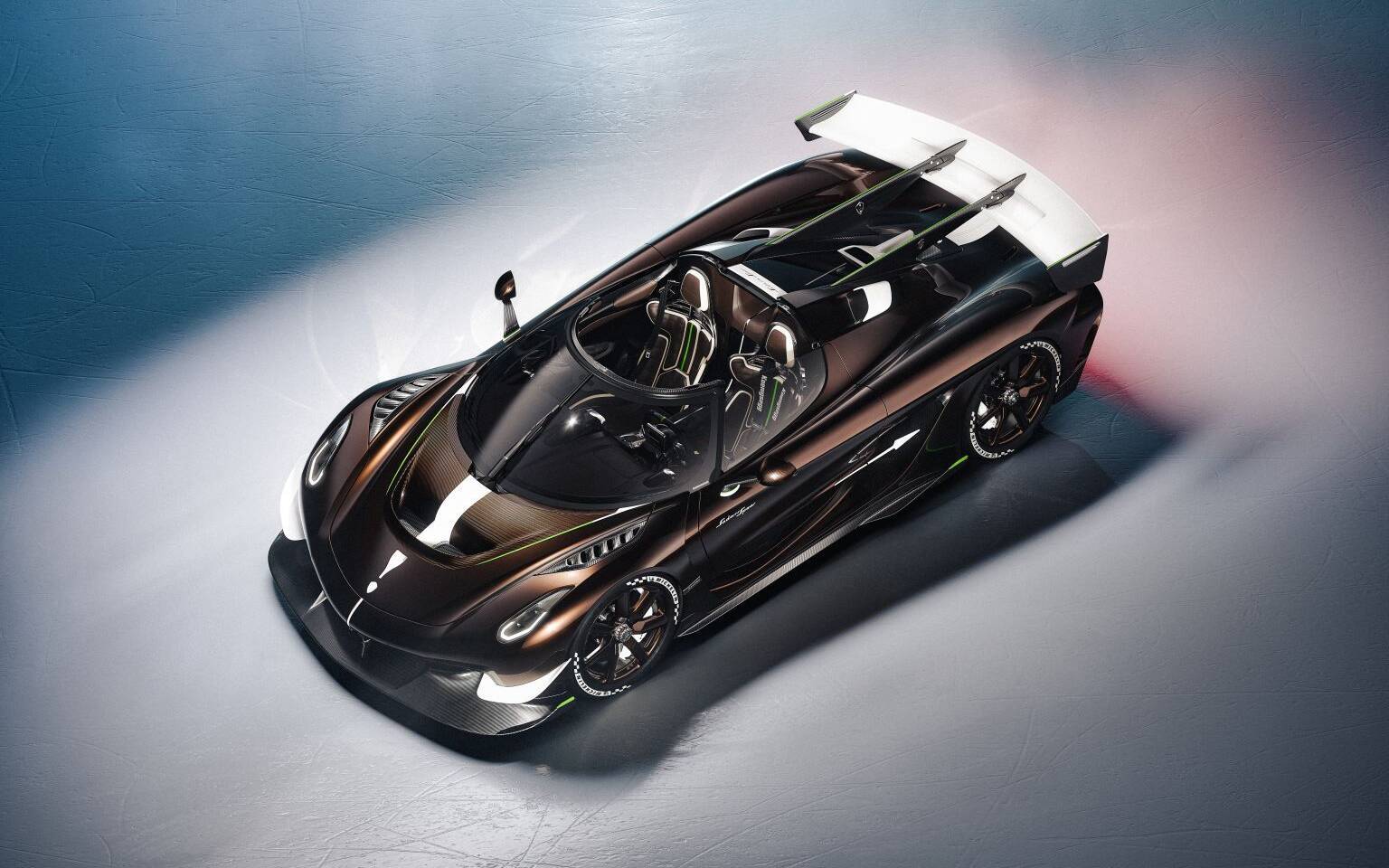
Koenigsegg Sadair’s Spear
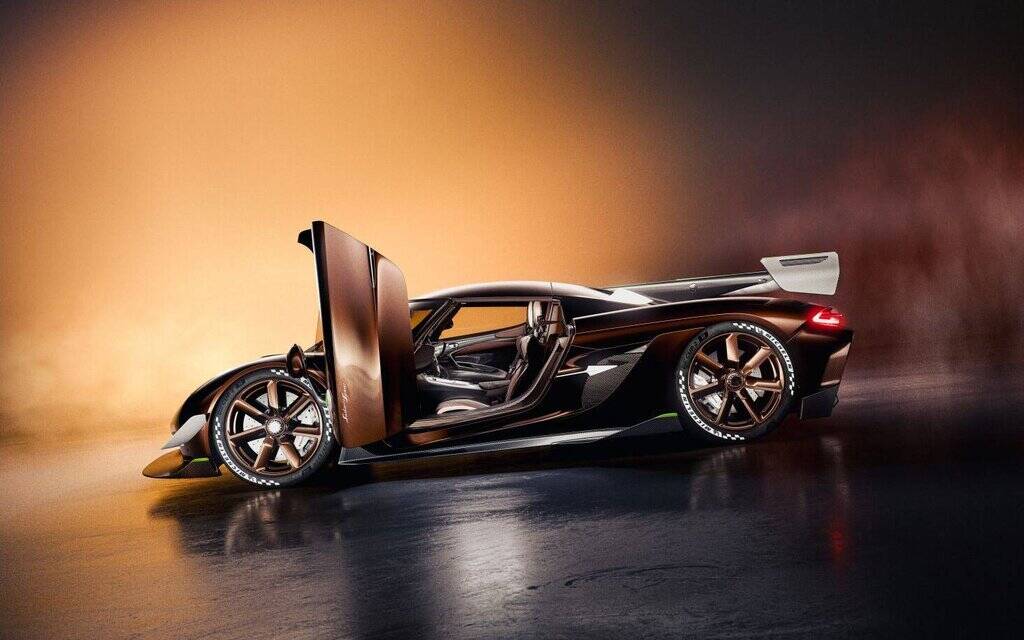
Taking over from the Jesko Attack, the latest hypercar from Swedish manufacturer is an impeccable balance of raw power, refined aerodynamics and extraordinary road presence. Destined to set new speed records, the Sadair’s Spear is track-focused yet road-legal, with only 30 units planned and already spoken for.
The twin-turbo 5.0-litre V8 boosts power to 1,300 hp on regular gasoline and 1,625 hp on ethanol-based E85 fuel. Meanwhile, the car’s weight has been reduced by 35 kg. Alas, acceleration times remain a mystery at this stage, but top speed is said to be 360 km/h.
The suspension employs lighter springs and new Triplex shock absorbers developed in-house, while the carbon-ceramic brakes rely on thicker and stronger pads. When it comes to aerodynamics, the main upgrade here comes in the form of a new dual-blade active rear spoiler which increases downforce together with the underbody strakes and wheel arch louvers. Fun fact: each of the four carbon-fibre wheels has a unique design.
De Tomaso P72
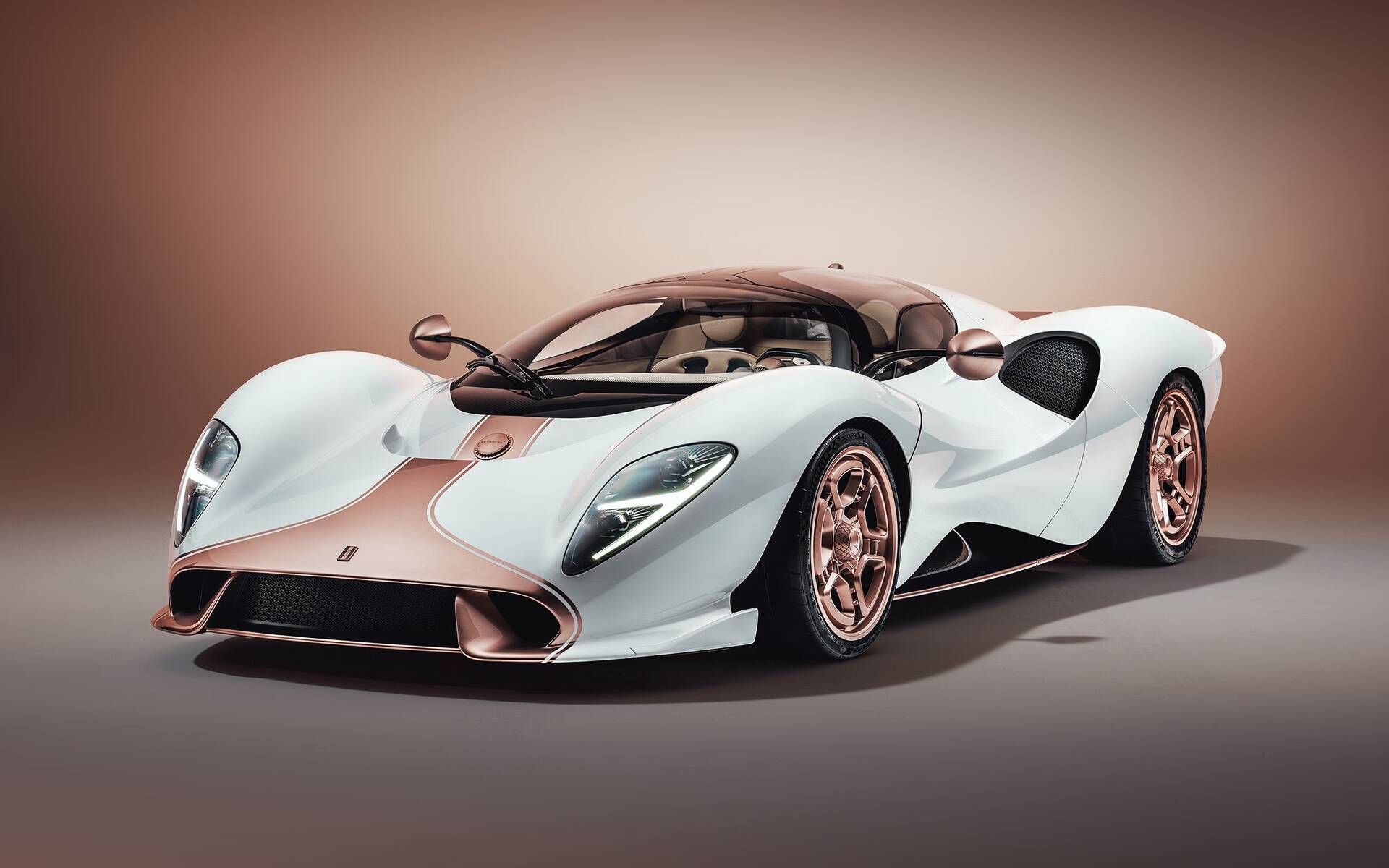
Six years after debuting as a concept, the production version of the P72 from Italian manufacturer De Tomaso has finally been unveiled. A true masterpiece, it is a tribute to the P70 prototype that founder Alejandro deTomaso developed in the early 1960s with the help of Caroll Shelby. As the name suggests, production will be limited to just 72 units worldwide, the first ones due to leave the factory of German partner HWA towards the end of 2025.
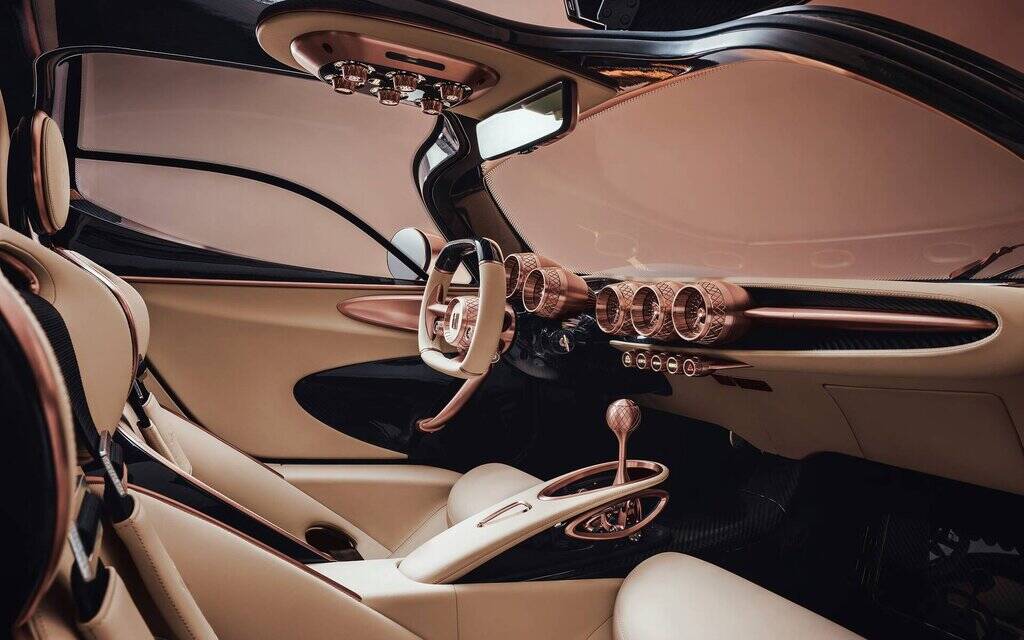
The curvaceous and copper-accented carbon-fibre body rivals cars like the Pagani Huayra in elegance. Naturally, it serves as a blank canvas for the lucky few customers who will be able to choose from a large selection of colours, finishes, trims and options. The interior, meanwhile, is equally spectacular with a plethora of copper-style elements including the glorious shifter with exposed internals. Oh, and there is not a single screen in there.
The P72’s carbon fibre unibody structure houses a pushrod suspension and a supercharged 5.0-litre V8 engine derived from Ford but tuned by Roush. It cranks out 700 hp and 605 lb-ft pf torque, which doesn’t seem like much for a modern supercar and is actually less than the late Mustang Shelby GT500. Again, acceleration times are not specified.
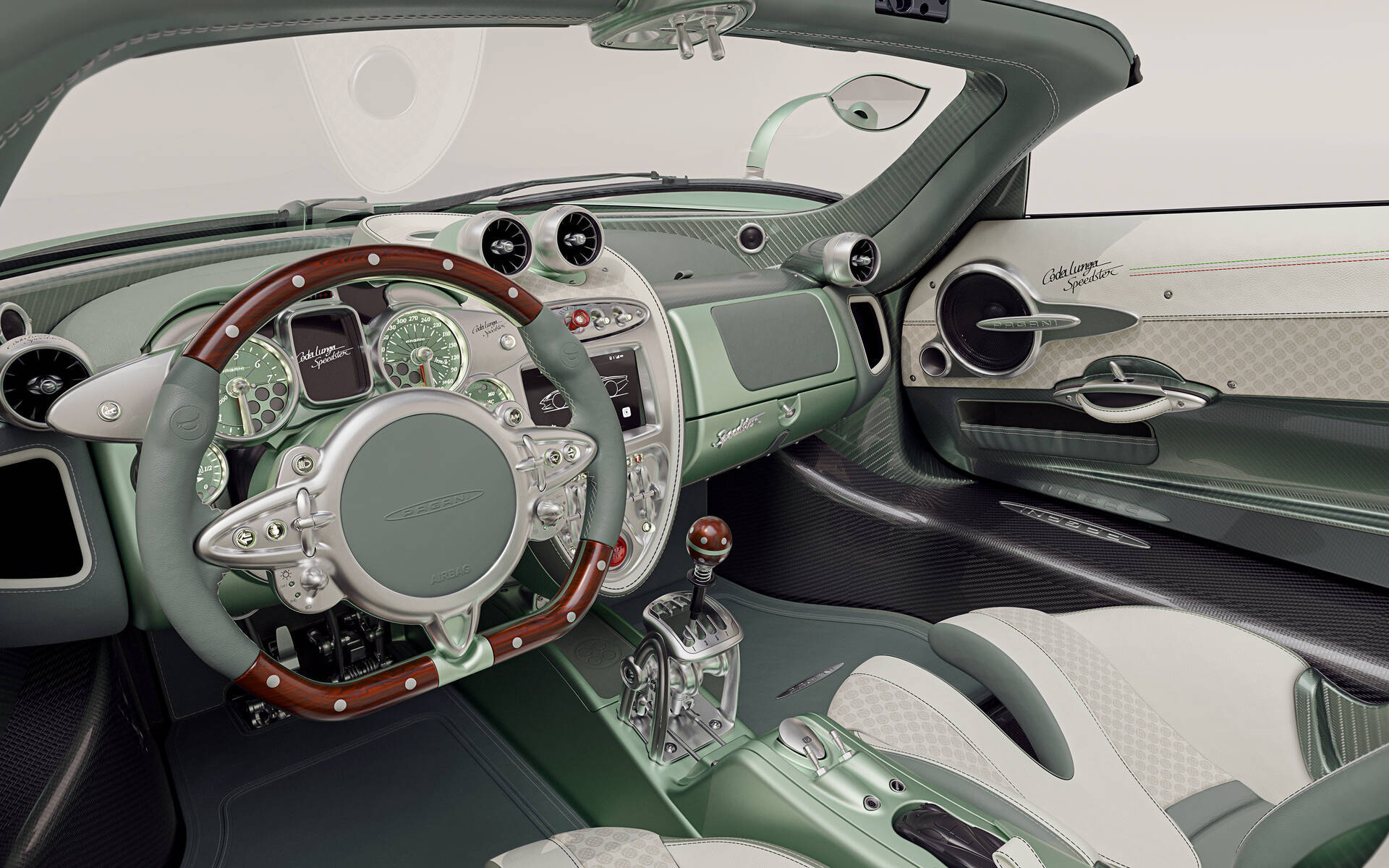
Pagani Huayra Codalunga Speedster
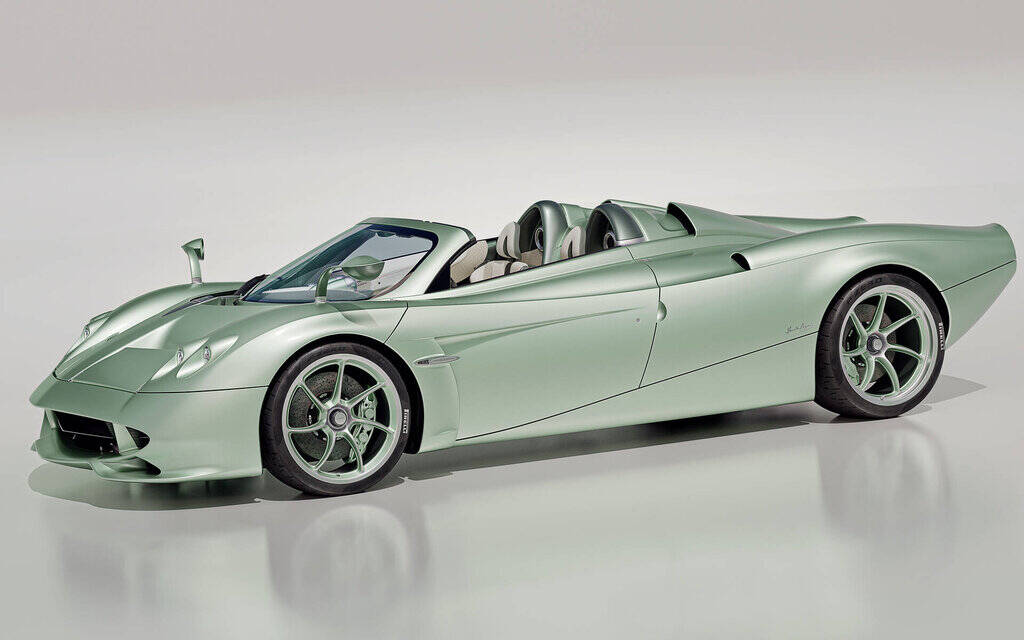
The Huayra Codalunga Speedster is an open-air interpretation of the coupe that won the Design Award at the 2023 Concorso d’Eleganza Villa d’Este. Created by the Pagani Grandi Complicazioni division, the project was sketched by Horacio Pagani as a tribute to clients seeking the perfect balance between elegant forms and powerful performance.
This car will be even more exclusive than the ones above: the company has planned a mere 10 units, all fully homologated for road use worldwide, with deliveries scheduled to begin in 2026. Using Pagani’s signature V12, they will generate 852 hp and 811 lb-ft of torque while achieving a top speed of 350 km/h (electronically limited).