2026 Subaru Outback: 3 Things We Like and 3 Things We Dislike

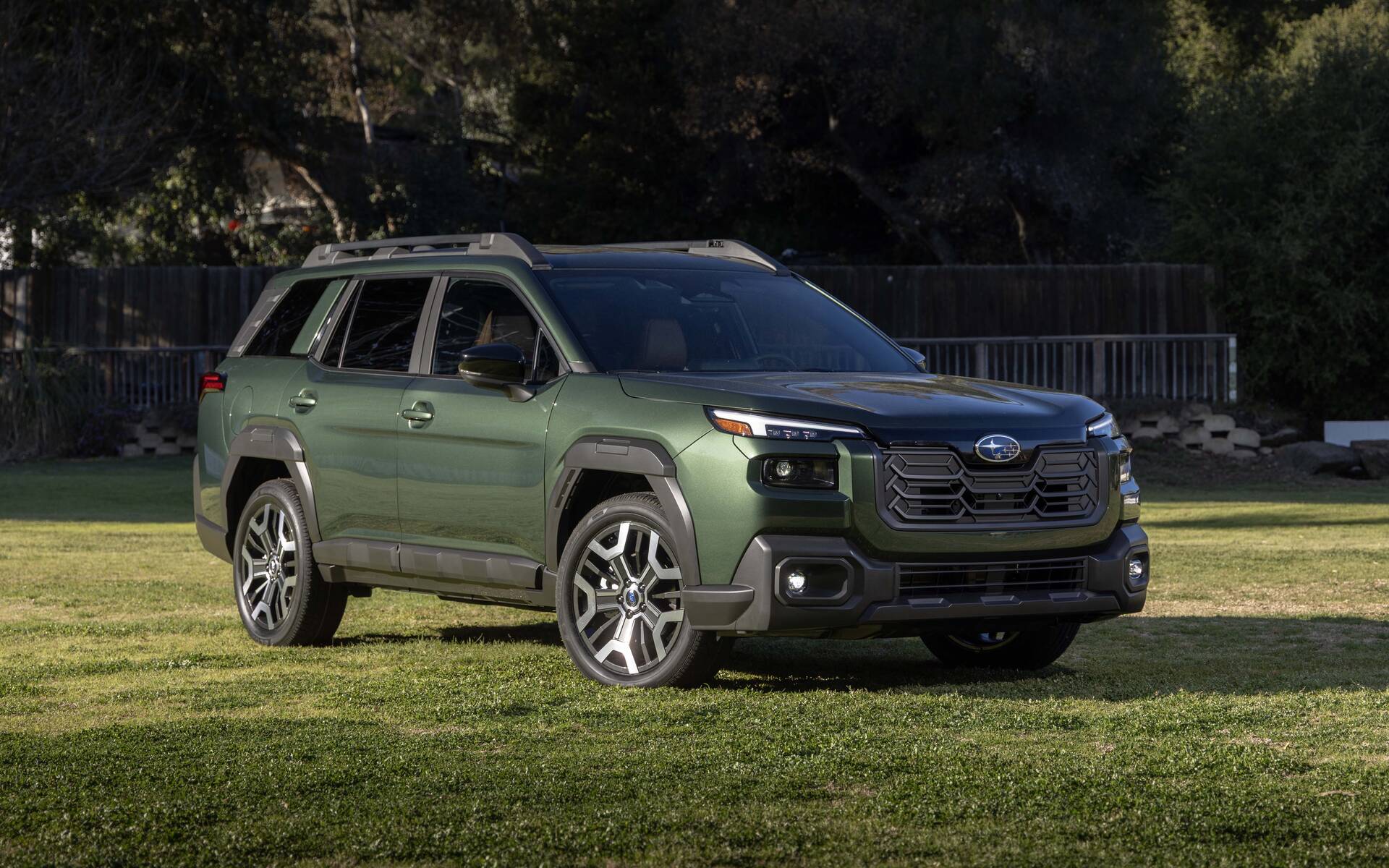
As we wrote in a previous blog post on April 23, the next-generation 2026 Subaru Outback was one of the highlights of the New York Auto Show this year. It will go on sale towards the end of 2025.
Interestingly, Canadian-bound units will be imported from Japan instead of Indiana to avoid the countertariffs on U.S.-built vehicles that came in retaliation for similar tariffs announced by the Trump administration on foreign-made automobiles earlier this spring.
Today, we thought we’d take a different look at the new Outback by highlighting three things we like and three things we don’t like about it. See if you agree!
We Like…
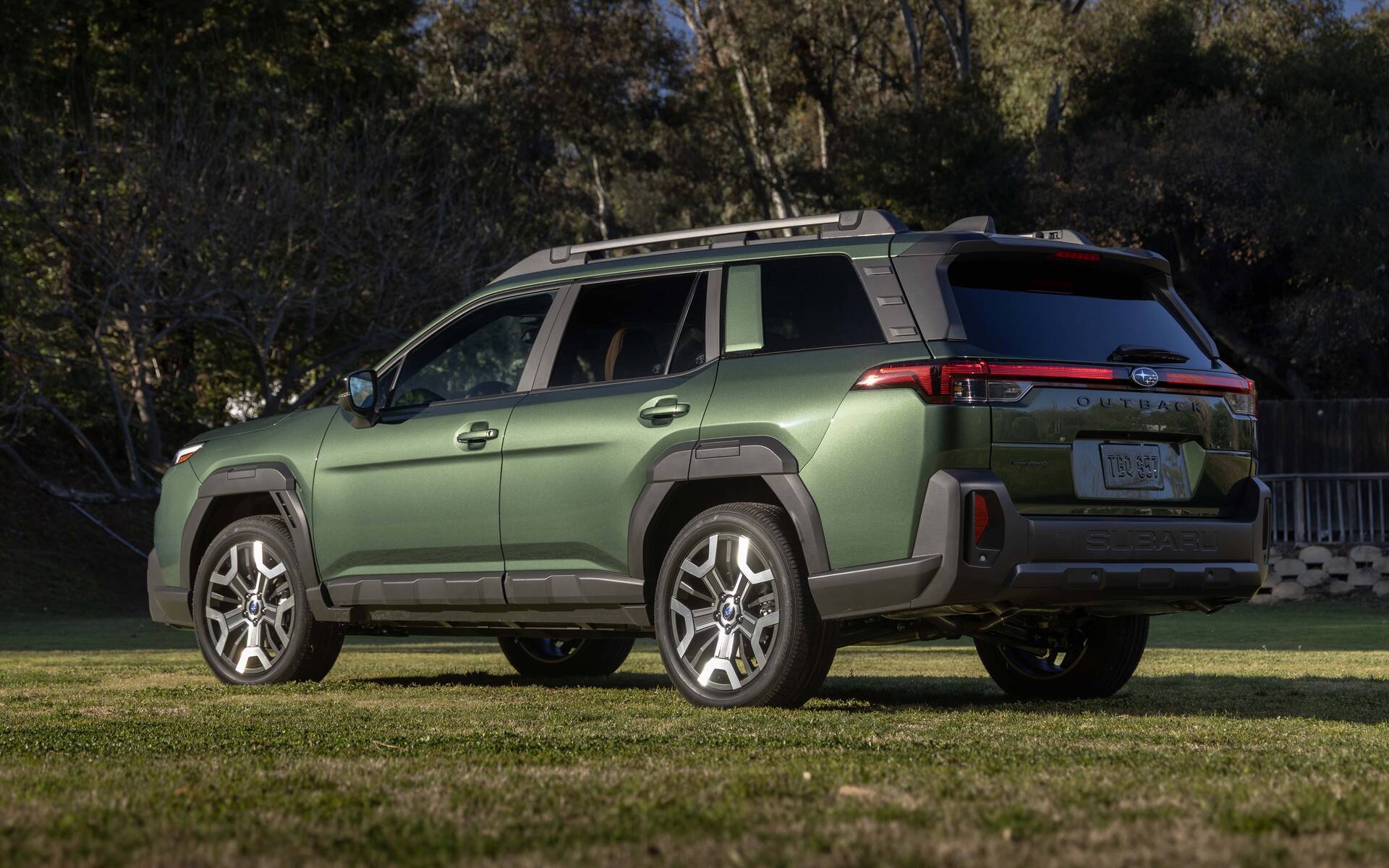
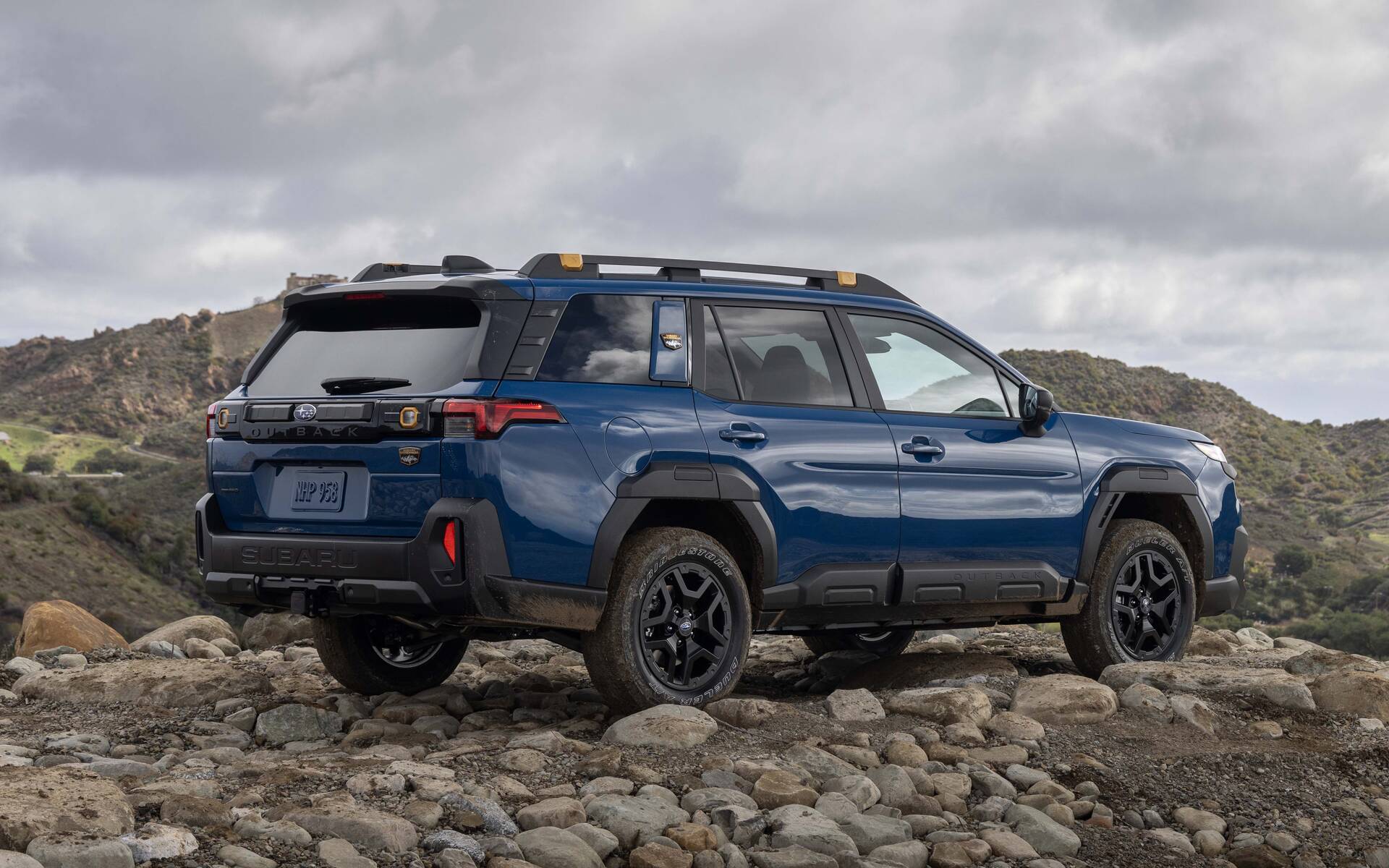
1. Increased versatility: The Outback offers more passenger room (especially headroom) and cargo space than ever before, thanks in particular to a 50mm higher roofline and a more upright rear window. Trunk capacity has increased from 923 to 980 litres, with a floor now 1,100 mm wide. A configurable and washable cargo cover is included as standard. What’s more, for the first time on a Subaru, a lateral load capacity rating of up to 100 kg from the sides of the crossbars allows for hanging a hammock or clothesline.
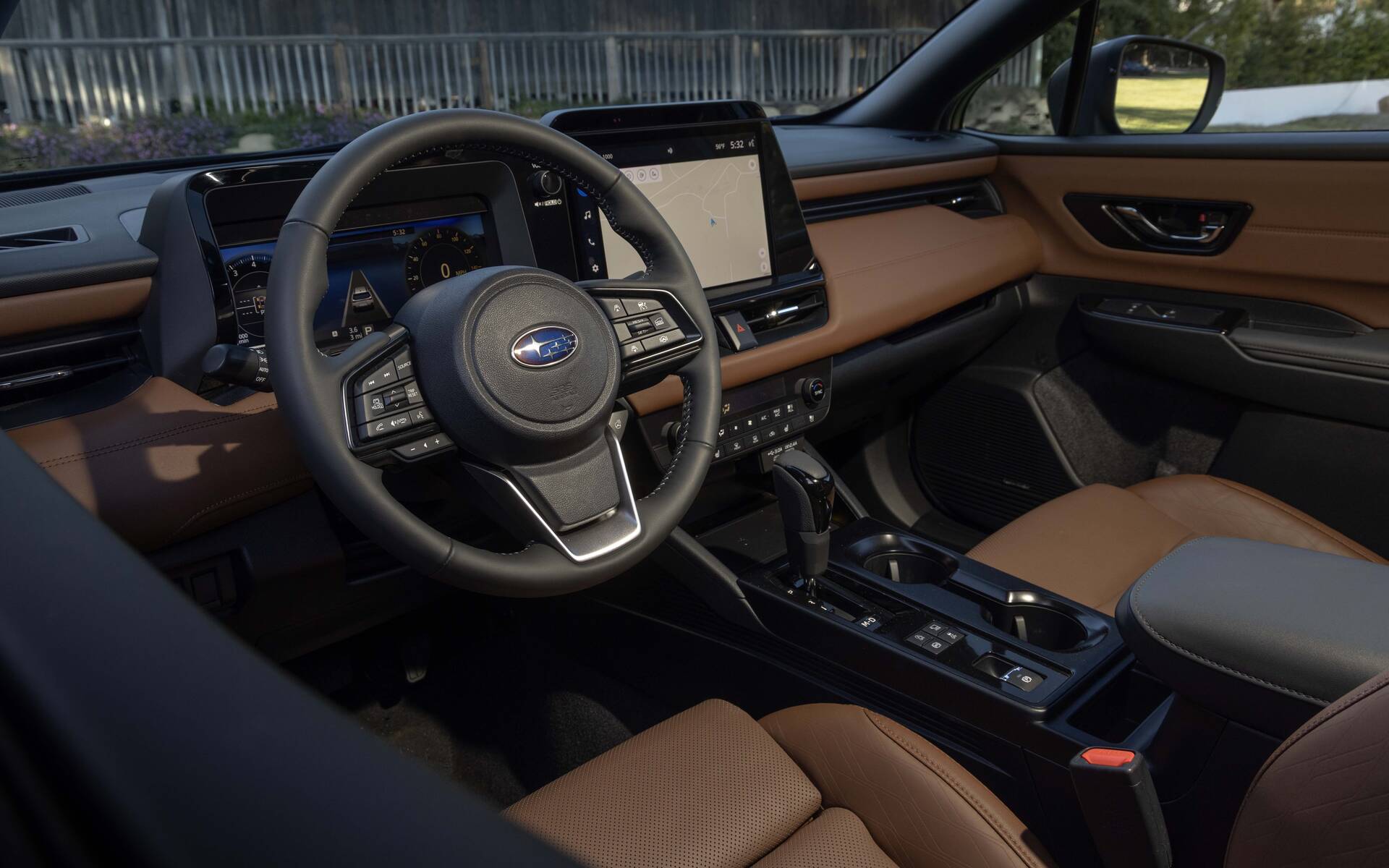
2. More comfort: The new 12-inch displays are nice, for sure, but maybe not as much as the new low-fatigue seats mounted directly onto the chassis that improve comfort and reduce head movement. Lateral sway has been reduced by 42 percent compared to the previous Outback, and an adjustable driver’s seat cushion helps to support legs for longer trips. Furthermore, engineers have reduced wind noise and made the cabin quieter, while the latest version of EyeSight technology provides extra peace of mind.
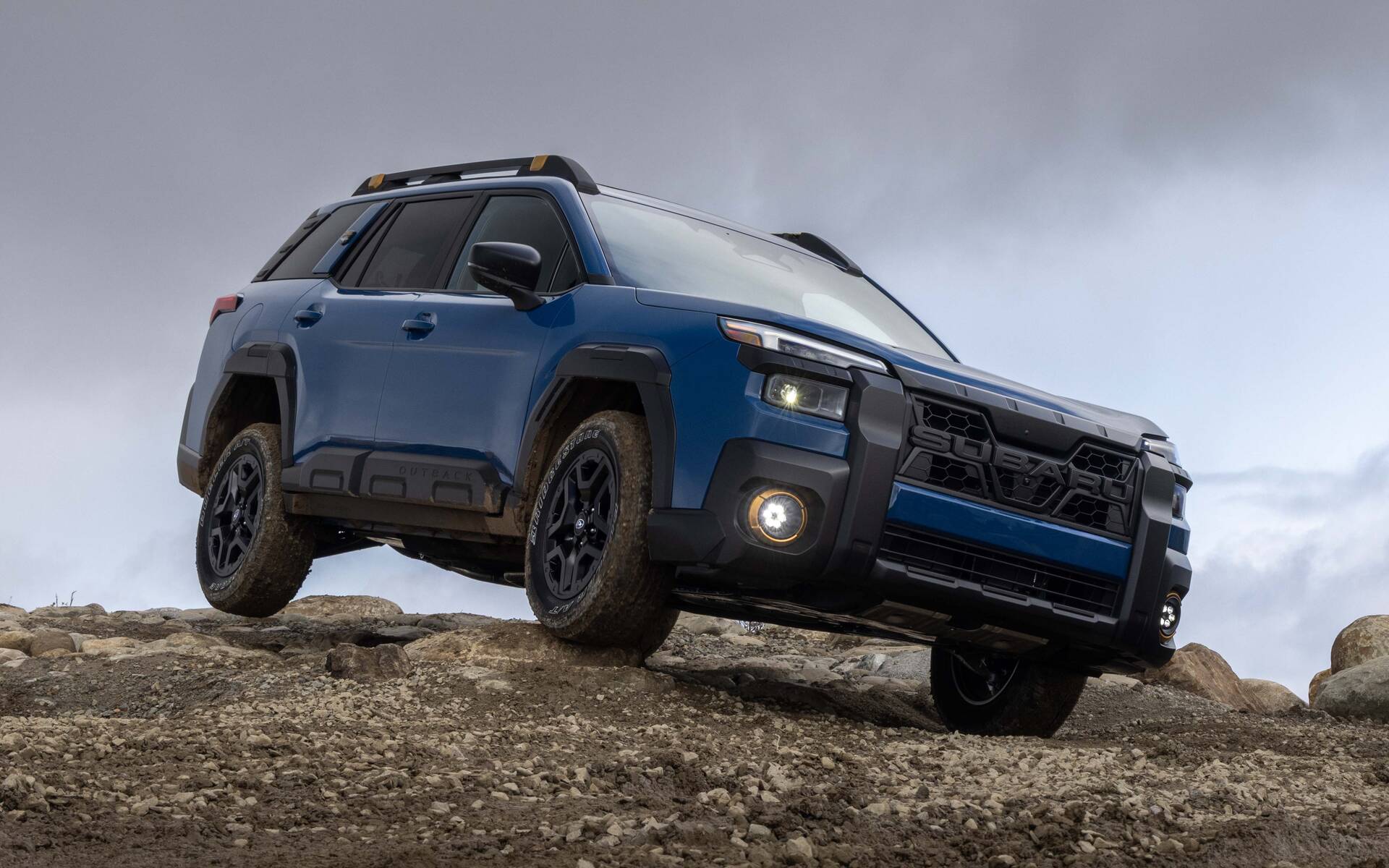
3. Better off-road capability: Subaru’s symmetrical full-time all-wheel drive system offers faster centre differential lockup for reduced wheelspin, while the revised X-MODE system enabling better off-road performance in a variety of conditions can now be toggled via a steering wheel-mounted switch. That’s great. As for the more capable Outback Wilderness, the suspension gets new electronically controlled dampers for improved stability on rough terrain while preserving a smooth ride and decent handling performance on the open road.
We Dislike…
1. Not a wagon anymore: The high-riding Japanese wagon we’ve come to love over the years as a unique alternative to SUVs is now basically just another SUV. That’s a shame. The silhouette is taller, boxier and more rugged than before, significantly distancing the seventh-generation Outback from its predecessors. It certainly won’t appeal to everyone, and we have to say we’re not big fans. Also, what’s up with the Outback Wilderness? That one’s not going to win any beauty contests.
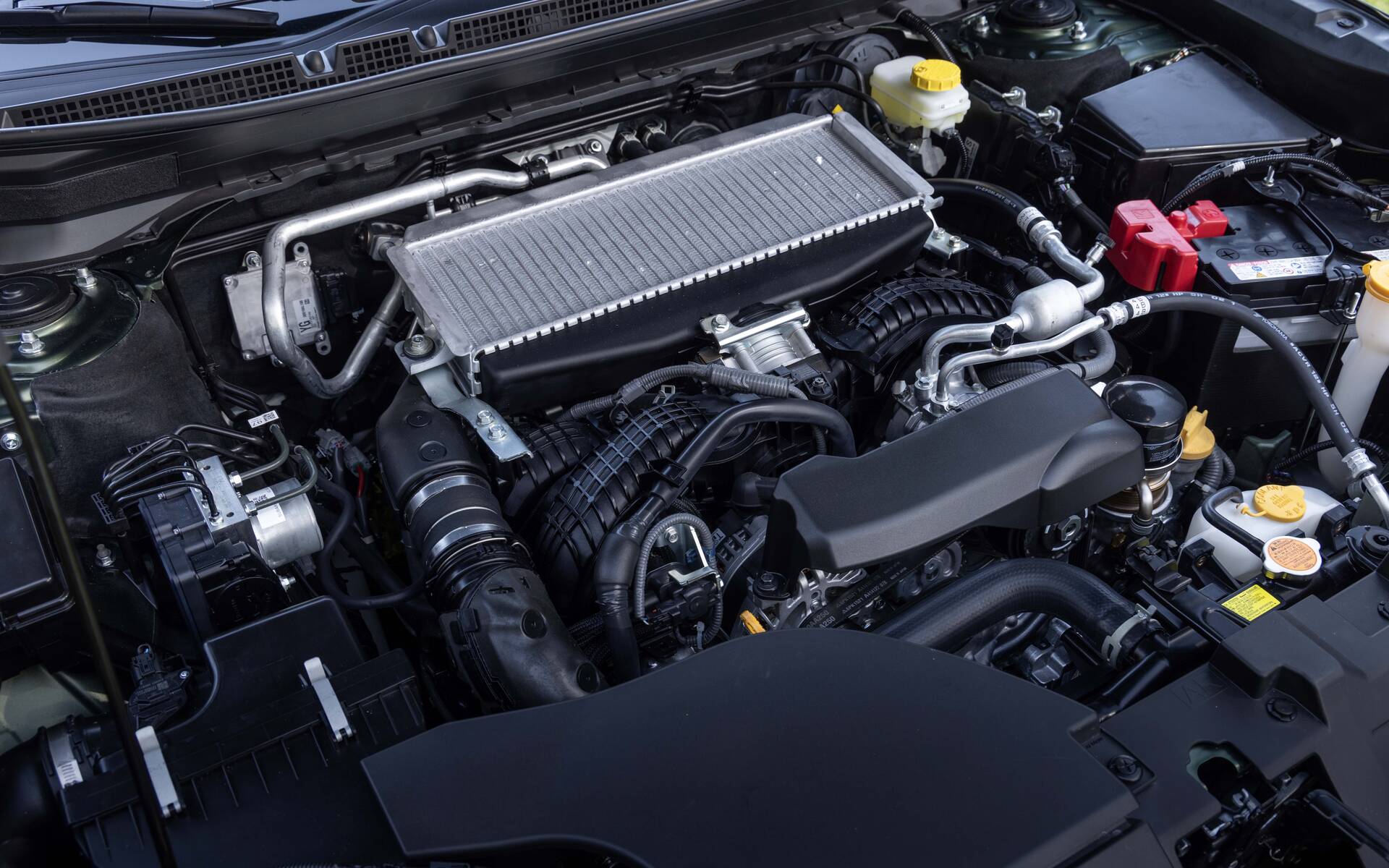
2. Under-powered base engine: Adequate for a lighter vehicle like the Impreza or Crosstrek, or even the Forester, the naturally aspirated 2.5-litre engine lacks a bit of power when it comes to the Outback, in our opinion. Even worse, output drops from 182 to 180 hp for 2026, while torque only increases from 176 to 178 lb-ft. For truly satisfying performance, you’ll have to turn to the turbocharged 2.4-litre engine, which continues to generate 260 hp and 277 lb-ft of torque (Outback XT and Wilderness models).
3. No hybrid variant announced… yet: We already know that the Outback will follow in the footsteps of the Forester and Crosstrek by adding a hybrid option at some point. However, nothing was said about this model at the unveiling in New York. Perhaps Subaru is saving an announcement for the Los Angeles Auto Show (November), an event where electrification is more at the forefront. We’ll have to wait and see. For the moment, it’s impossible to say whether the Outback Hybrid will arrive as a 2026 or 2027 model.