From 1 to 7: Polestar’s Past, Present and Future

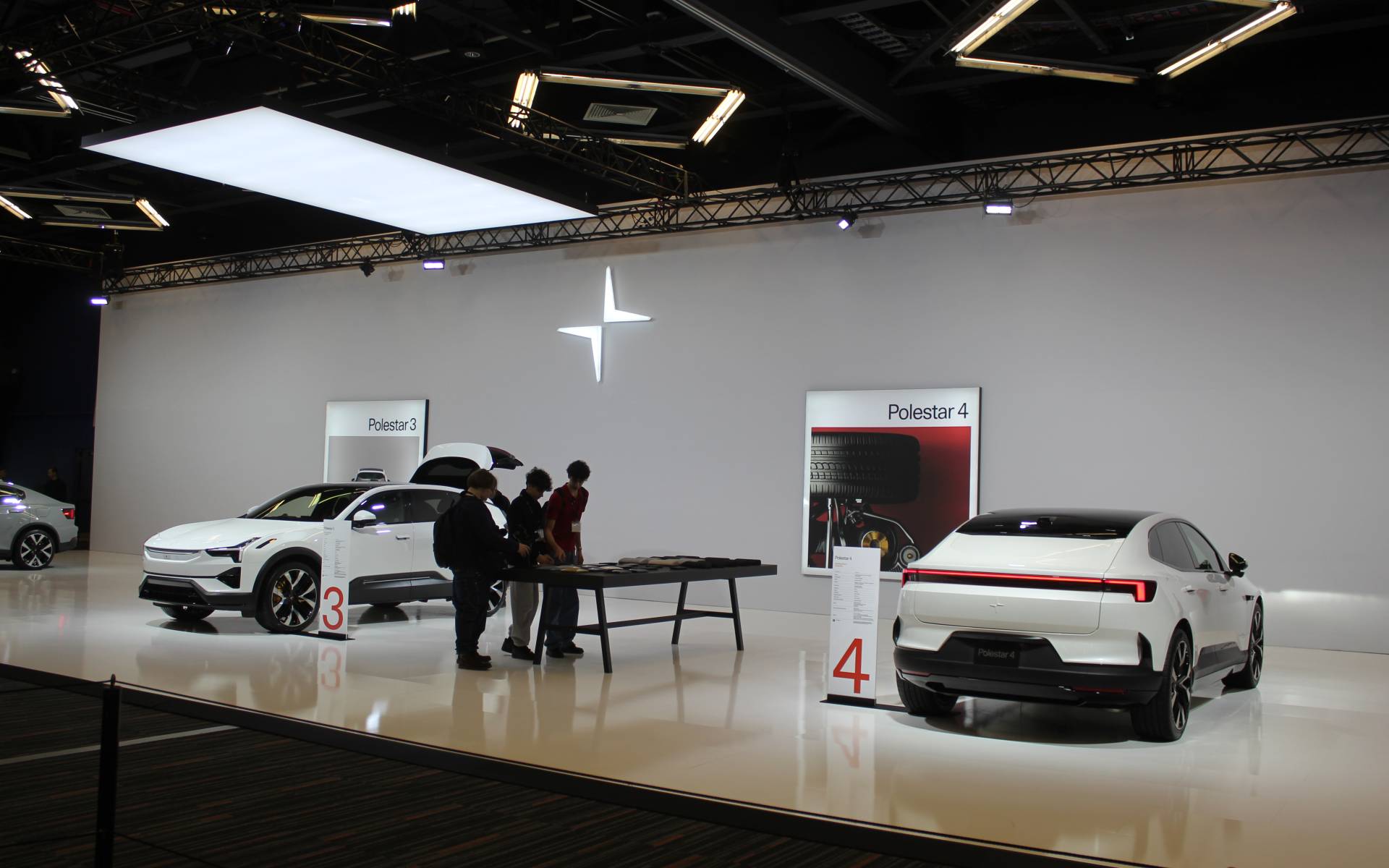
Polestar, the Swedish maker of premium electric vehicles, has yet to turn ten years old and doesn’t even have ten retail locations in Canada, but its growth is undeniable. Featured earlier this year at the Montreal Auto Show for the very first time, the company expects to have the best year in its young history in 2025 in terms of sales and profitability.
Why not take a short trip through Polestar’s past, present and future? You’ll discover a lineup built around luxury and elegant Scandinavian design, but also performance and innovation.
Polestar 1 and 2
Polestar’s adventure began with the Polestar 1 plug-in hybrid coupe, which made a huge statement with 619 horsepower and a range of around 100 km in electric mode. For each of the three years of production (2019-2021), only 500 units were assembled at the plant in Chengdu, China. A future collector’s item? Perhaps. However, Polestar quickly realized that its mission would be 100% electric.
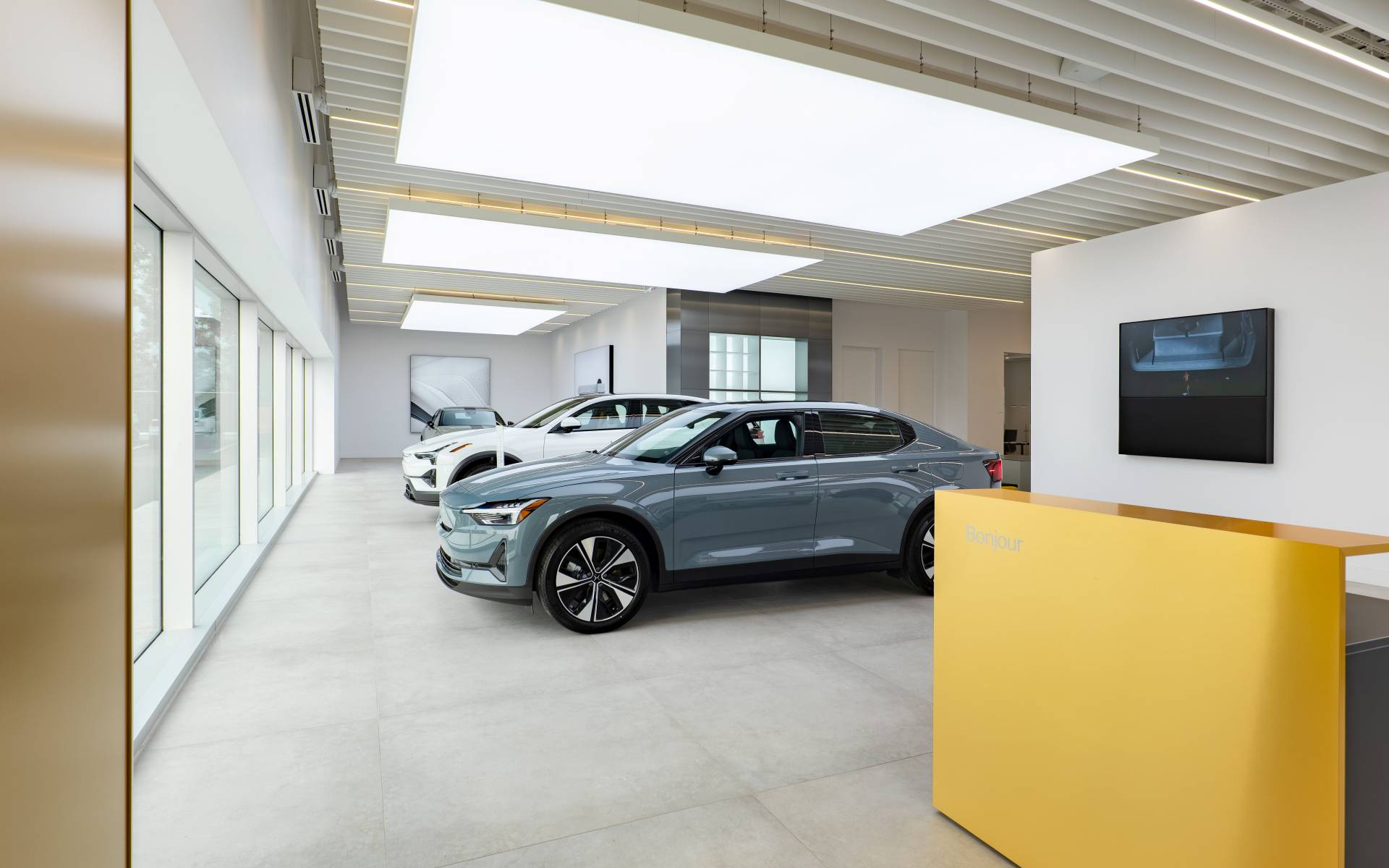
So then came the Polestar 2 sedan, a true rival to the Tesla Model 3 yet more practical with its rear hatch, arguably more attractive in terms of styling and also more refined overall. Customers have a choice of single- and dual-motor models offering either up to 505 km of range or up to 469 hp.
However, the Polestar 2 has the misfortune of being assembled in China, and as you probably know Canada has imposed a 100% tariff on electric vehicles coming from there, so although the company has planned ahead and has enough units in stock to cover the remainder of 2025, this car will no longer be a priority thereafter and, unless production moves to a different plant, its future here is more than uncertain.
Polestar 3 and 4
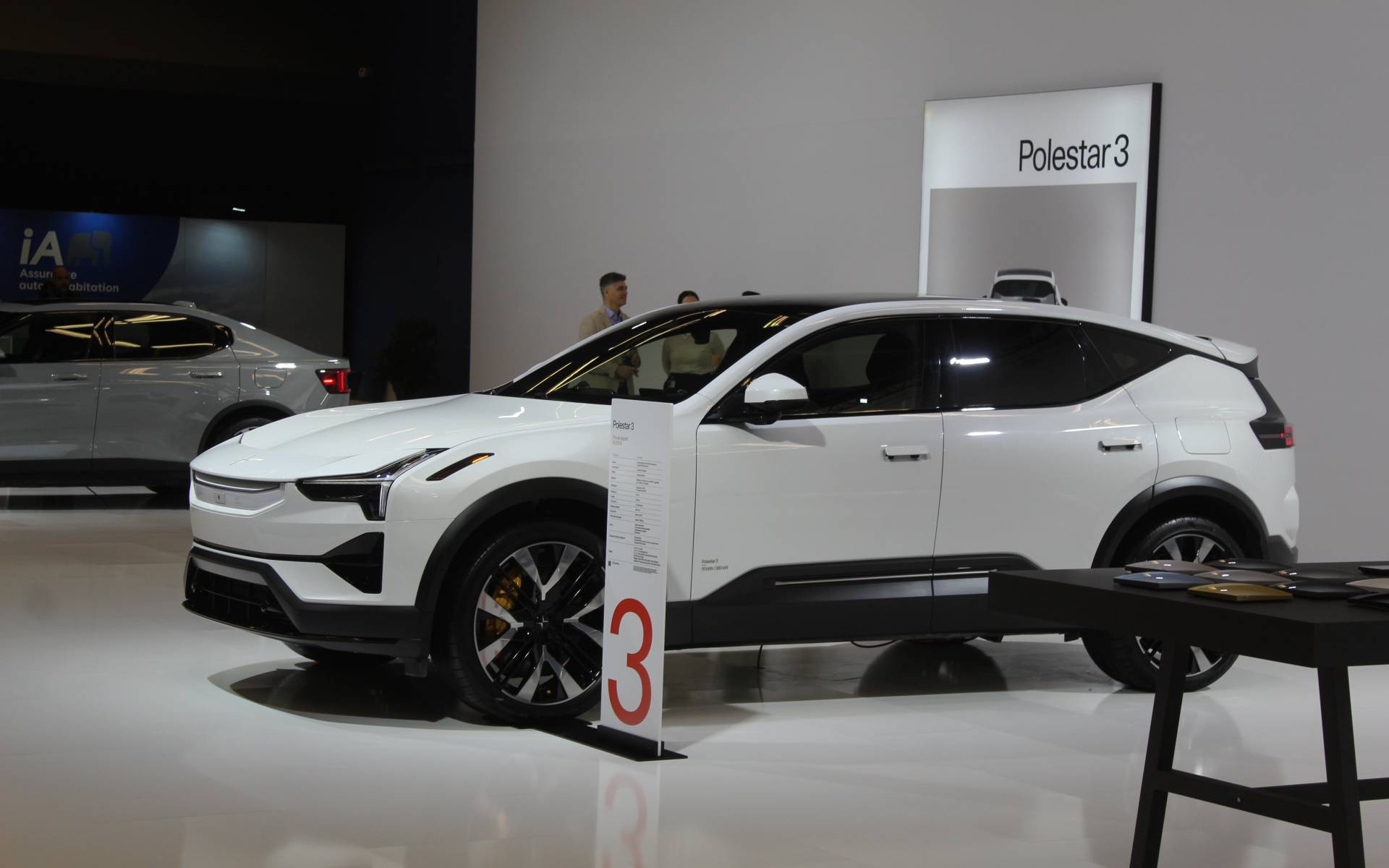
Today’s star is undoubtedly the Polestar 3, a performance-focused SUV that comes with a hefty price tag. Built in South Carolina, USA, it offers plenty of interior space and comfort. Performance is impressive with either 483 hp or 510 hp, depending on the model, while handling is surprisingly agile. Equipped with a 111kWh battery, the Polestar 3’s range varies from 449 km to 507 km. Competitors such as the BMW iX and Cadillac Lyriq must take it very seriously.
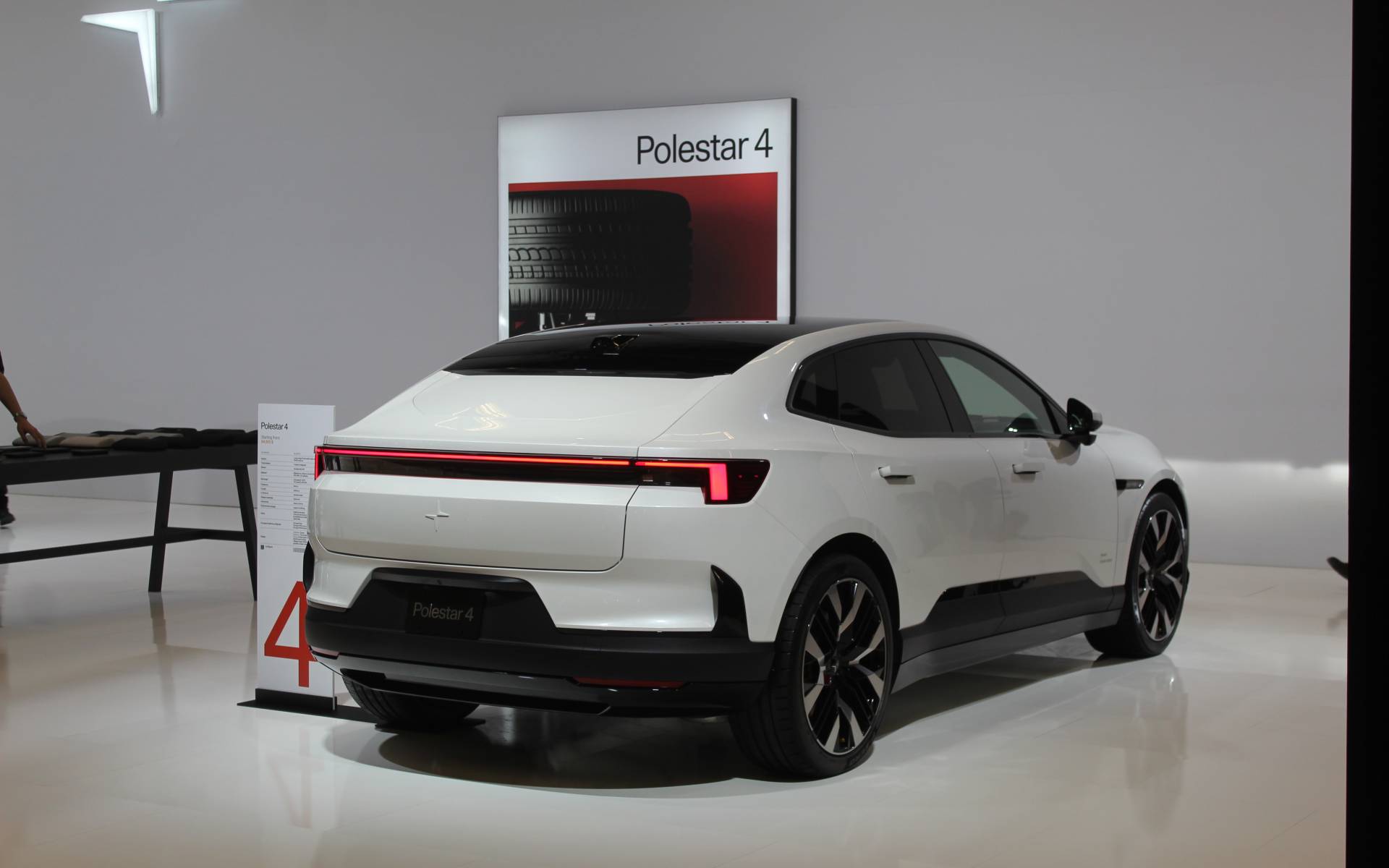
Slotting between the 2 and 3 in terms of size and pricing, the new Polestar 4 was also on display at the 2025 Montreal Auto Show. This unique, coupe-like crossover retains a spacious interior but is notable for the absence of a rear window. Instead, the driver must rely on the digital image from a roof-mounted camera. The rear-wheel-drive model produces 268 hp and has a range of 483 km, while the all-wheel-drive model develops 536 hp and has a range of 438 km.
Les exemplaires du Polestar 4 destinés au Canada devaient initialement provenir de la Chine, mais étant donné le contexte actuel, ils seront plutôt fabriqués dans la nouvelle usine de Polestar en Corée du Sud plus tard en 2025. Encore un peu de patience…
Polestar 4 models to be sold in Canada were originally supposed to come from China, but given the current context, they will instead be manufactured at Polestar’s new plant in South Korea later in 2025. Just be a little more patient.
Polestar 5, 6 and 7
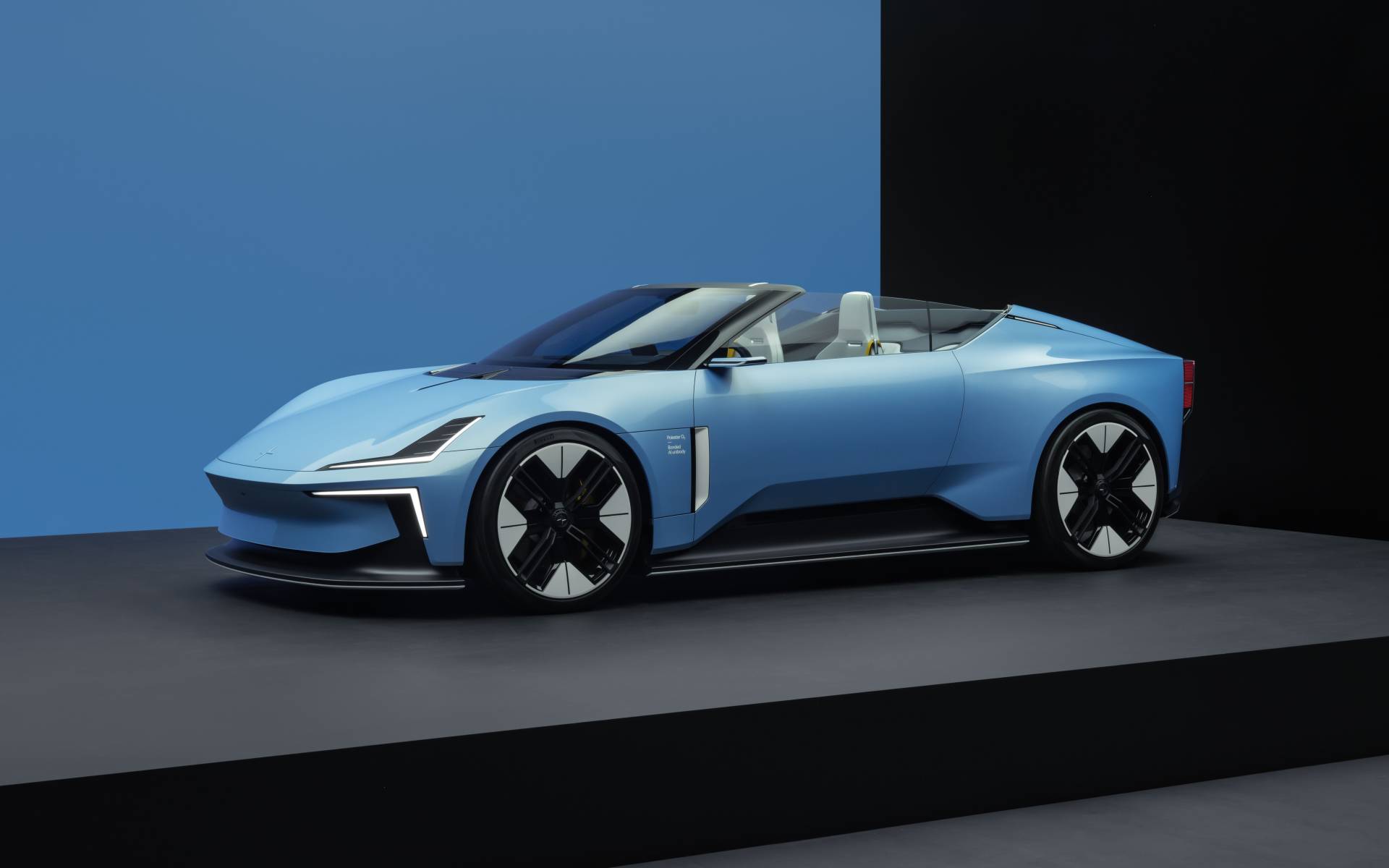
Back in January, Polestar presented an updated business plan that targets a compound annual retail sales volume growth of 30-35% for 2025-2027. It also confirmed three future models. Following the Polestar 5 performance four-door GT (second half of 2025) and the Polestar 6 roadster (2026) that were previously announced, a new compact SUV called Polestar 7 will join the lineup. When exactly? We don’t know yet. Likely not before the second half of 2027.
This model will significantly undercut the Polestar 3 in terms of pricing as it targets a much larger number of customers. It will be manufactured in Europe instead of Polestar’s existing plants in the U.S., South Korea and China. At least that’s the plan right now. No preview or specs were shared, unfortunately.
Polestar calls it a turning point from which the company will gradually move from a multi-platform approach to one single architecture in an effort to reduce complexity, costs and investments. Long live the star from Gothenburg!